Last updated November 21, 2026
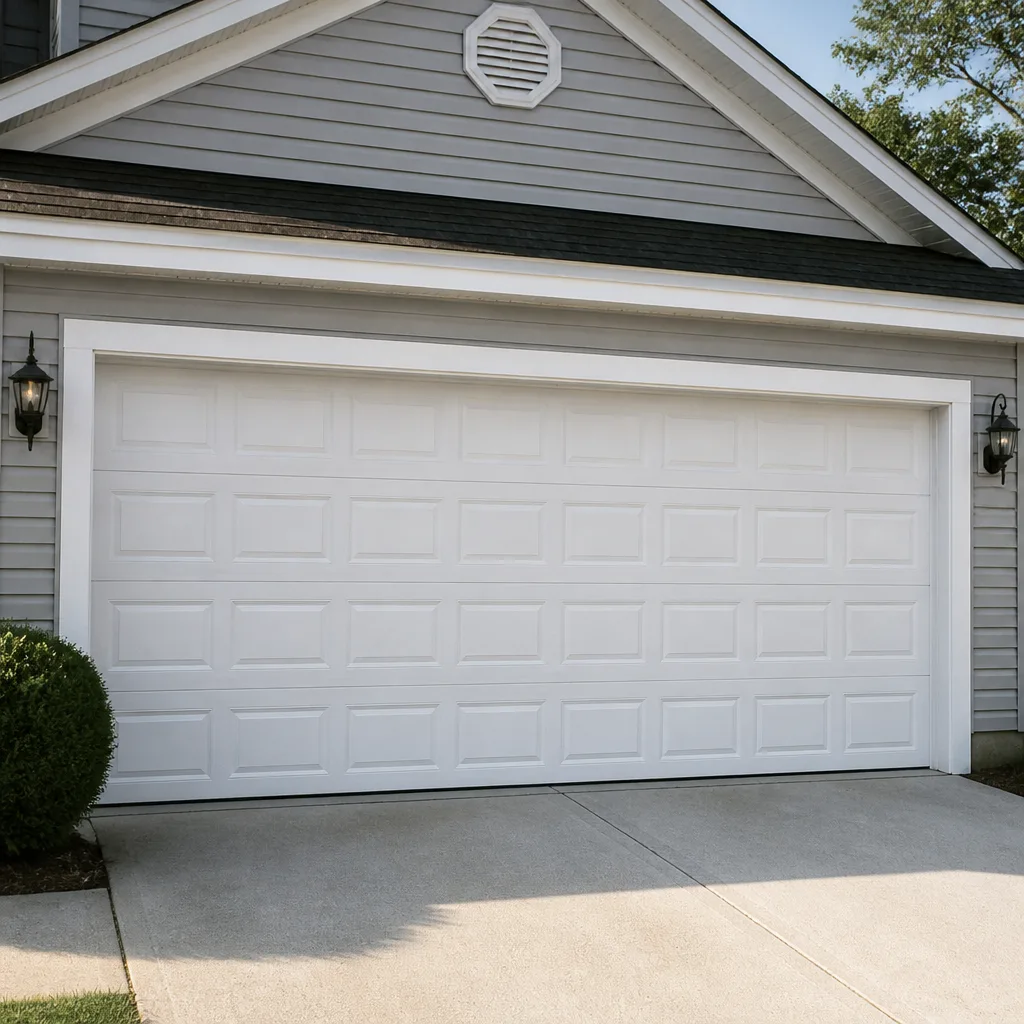 Raised-panel steel
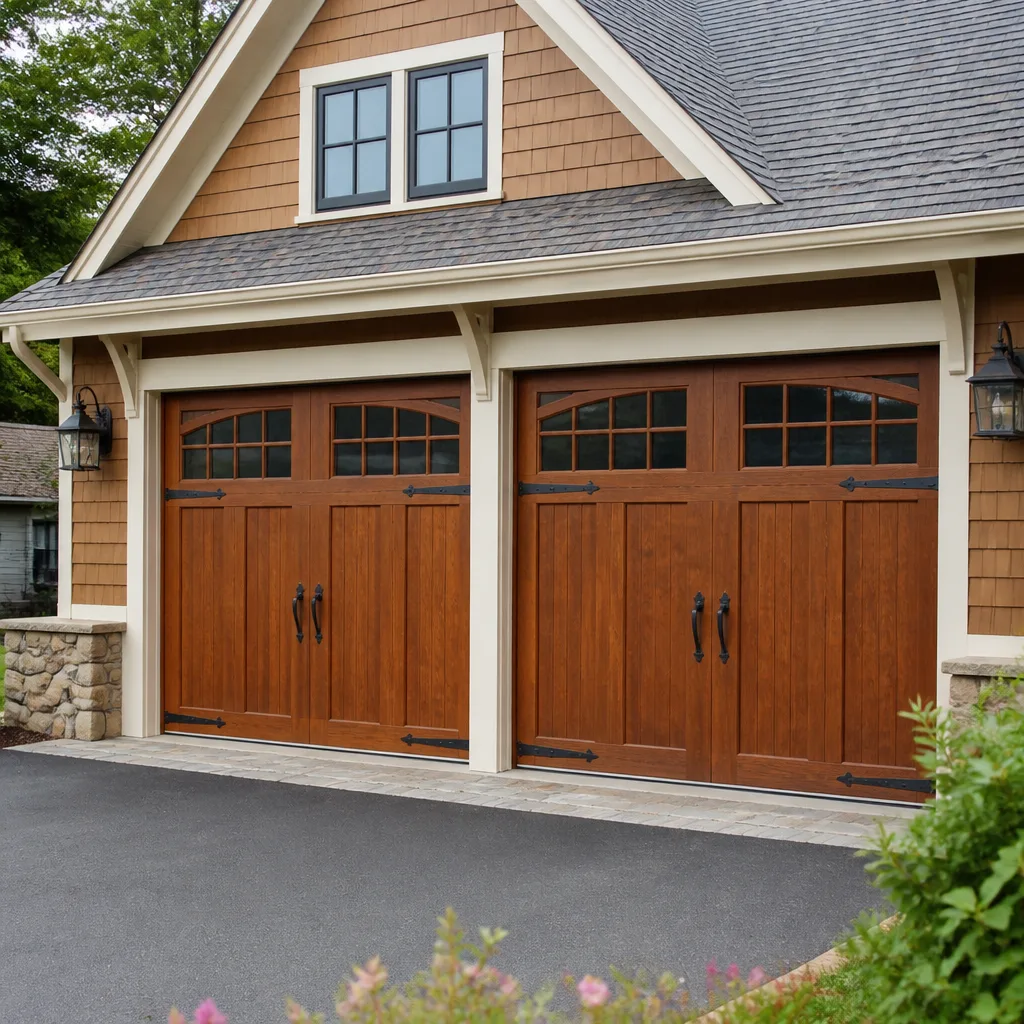 Carriage house
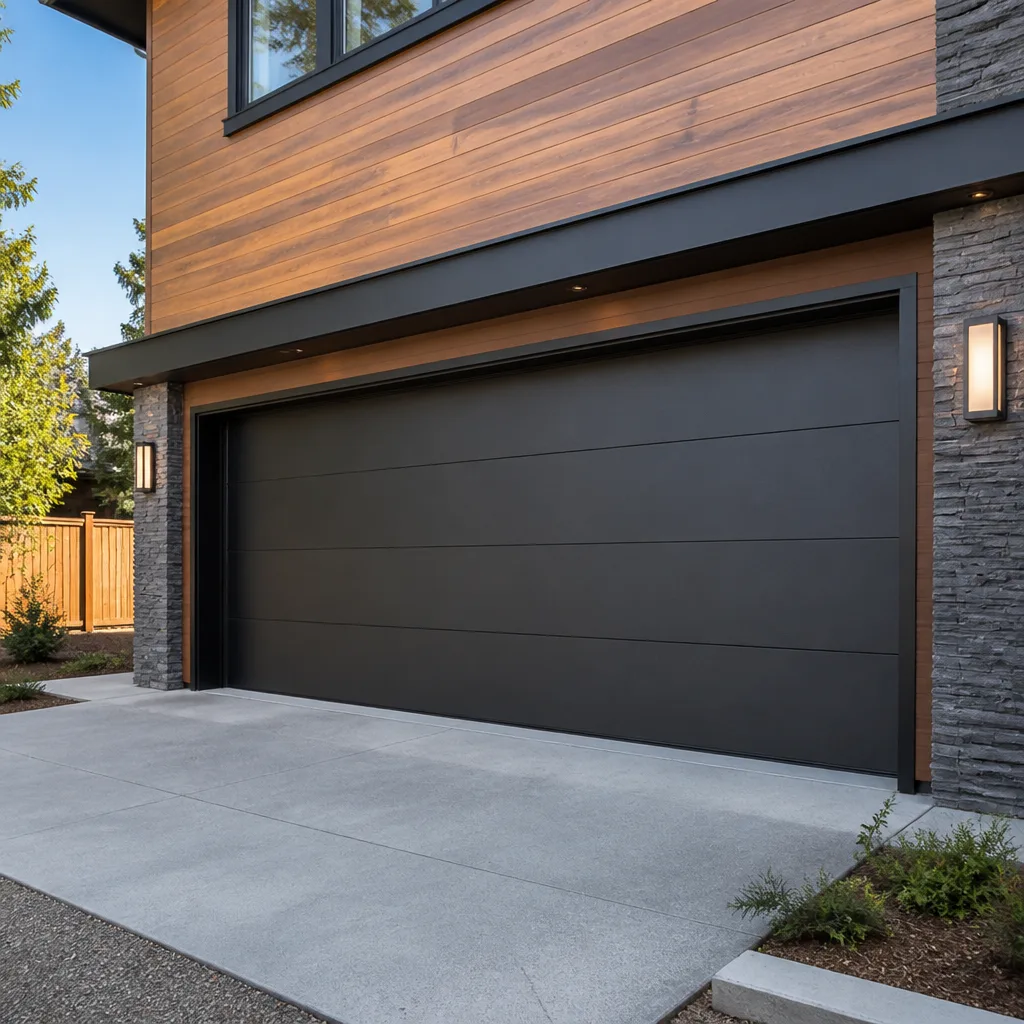 Modern flush
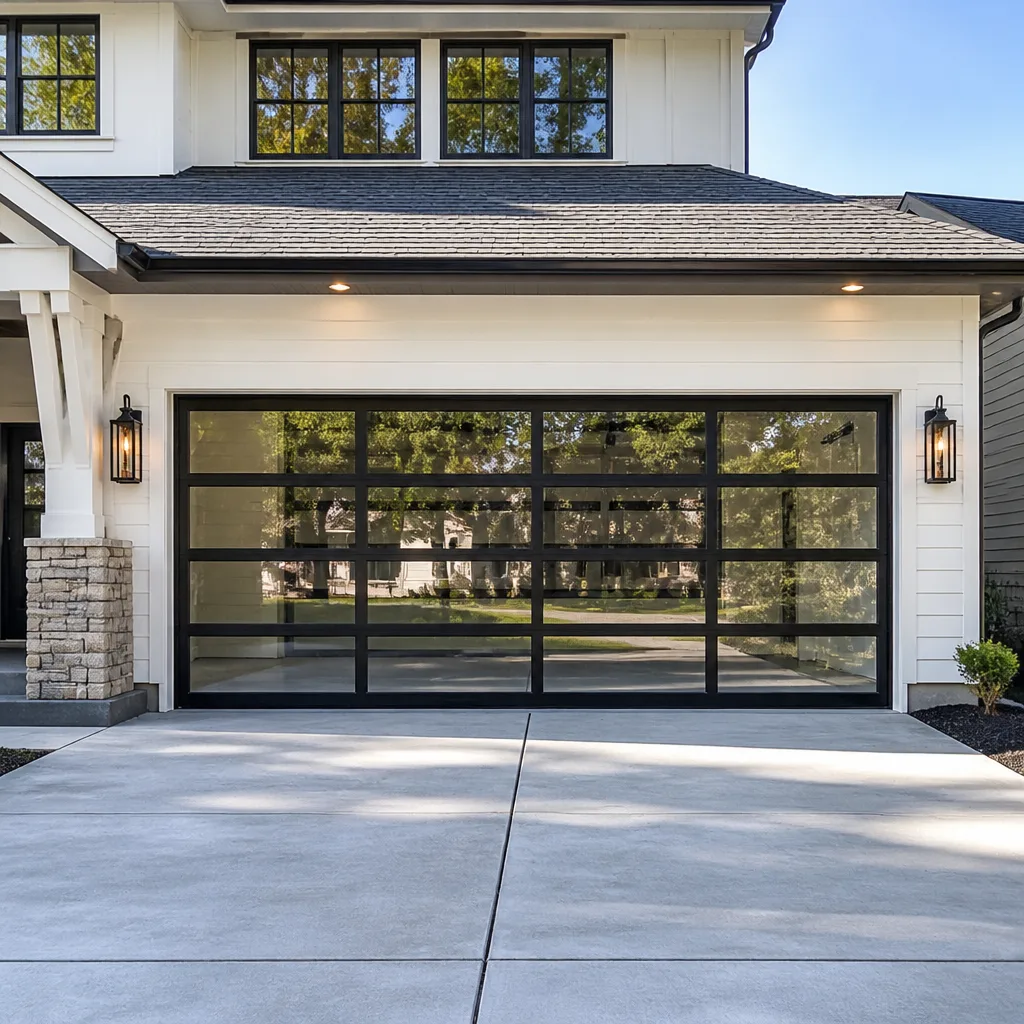 Full-view glass
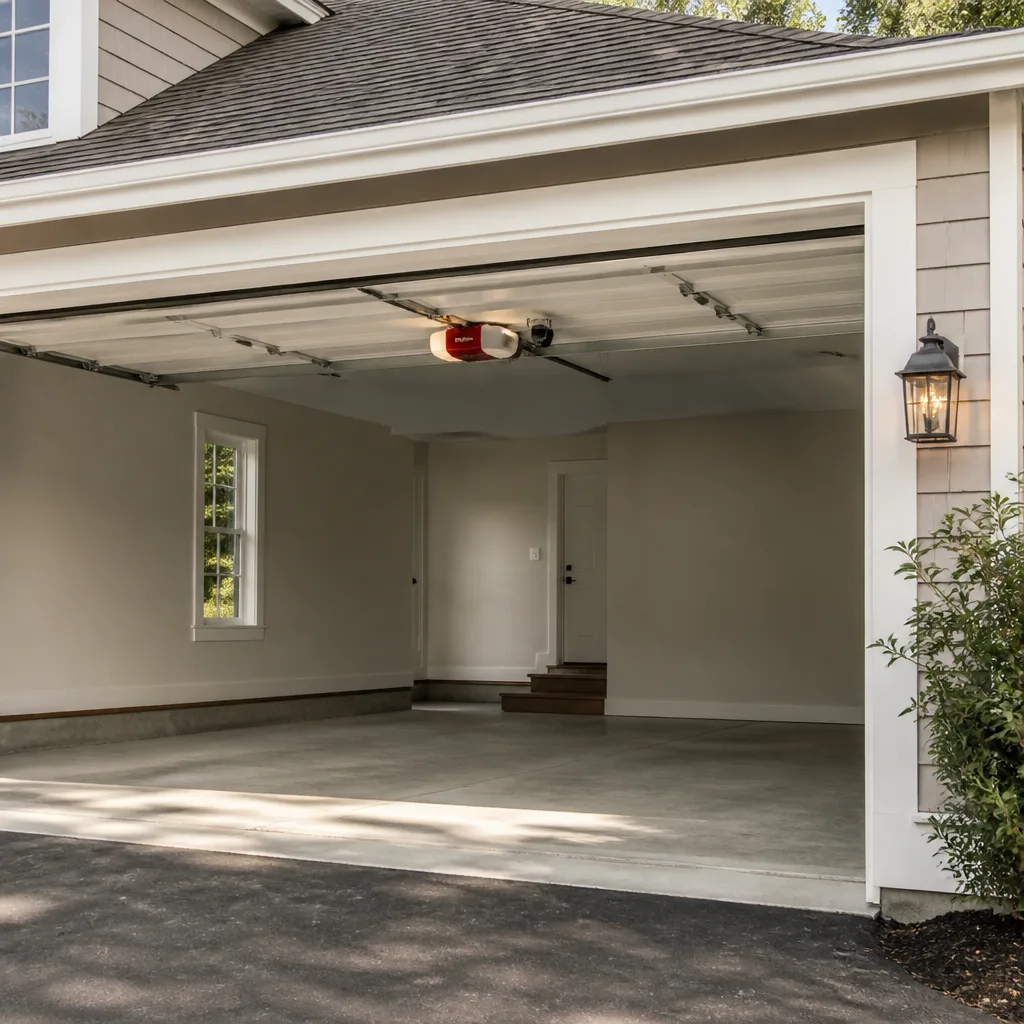 LiftMaster openers
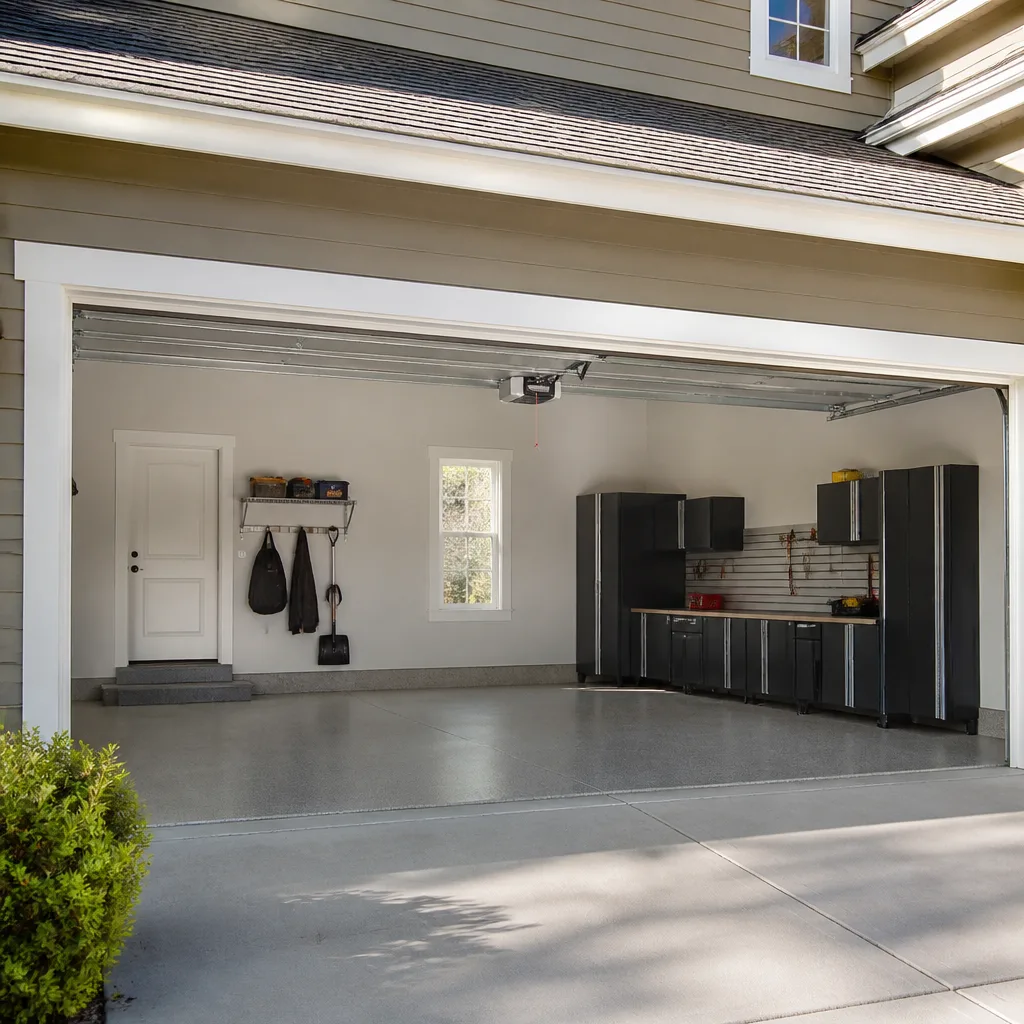 Chamberlain openers
Full 25-point door and opener safety check with every visit - springs, cables, rollers, tracks, and your LiftMaster or Chamberlain opener included
You get a price before we start. It does not change when the pro arrives.
Get your free estimateGarage Door Repair Maintenance Checklist for Joliet Homeowners
Most garage door maintenance advice gets the priority order wrong. Homeowners are told to lubricate the chain and wipe down the panels, while the parts that actually fail first in Joliet’s freeze-thaw cycle sit at the bottom of the list. It’s rarely the torsion spring that triggers the first service call here. It’s usually a bottom seal that went through one hard winter without being replaced, letting meltwater seep under the door, warp the bottom panel, and gradually throw the whole door off its track. In this guide, we reorder the standard checklist by real failure risk in Joliet’s climate, explain what to look for on each component, and show you which tasks you can safely handle yourself and which ones belong to a trained technician.
Quick Answer
The highest-priority maintenance items for a Joliet garage door are the bottom seal, the spring system, and the opener’s force and travel settings – in that order. Check the bottom seal every fall before the first freeze, inspect springs visually twice a year, and retest opener force settings after every hard winter. Lubrication and track cleaning matter, but they rank lower than these three because they rarely cause the failures we see most in this climate.
Styles & brands we work with
- Raised-panel steel
- Carriage house
- Modern flush
- Full-view glass
- LiftMaster openers
- Chamberlain openers
Table of Contents
- Why Joliet’s Climate Changes the Order of Your Checklist
- Priority 1: The Bottom Seal – Joliet’s Most Overlooked Failure Point
- Priority 2: Torsion Springs vs. Extension Springs – What to Look For
- Priority 3: Testing Opener Force Settings on Major Brands
- The Right Lubricants for Sub-Zero Winters and Hot Summers
- What You Can Safely Do Yourself vs. What to Leave to a Technician
- Which Maintenance Tasks Can Void a Manufacturer Warranty
- Building a Realistic Maintenance Schedule for Joliet
Why Joliet’s Climate Changes the Order of Your Checklist
Generic maintenance checklists are written for an average climate that doesn’t really exist anywhere. Joliet has a specific pattern: hard freezes in winter, a fast spring thaw, humid summers, and repeated cycles of moisture and drying throughout the year. That cycle is what stresses a garage door system, and it stresses different parts in different ways.
When water gets trapped under a door and freezes, it expands. When it thaws, it contracts. Seal material that stays pliable in a mild climate can stiffen and crack after a few seasons of this. Wood and composite bottom panels absorb moisture at the edges and begin to swell. Steel panels can show rust at the seams where water sits longest. Meanwhile, the springs above are doing constant mechanical work, and the opener is fighting a door that’s heavier in cold weather than it was in summer.
Ranking your maintenance by risk means asking a simple question: which failure causes the most damage, the fastest, and is most likely to happen here? In our experience working on Joliet doors, that order looks like this:
- Bottom seal – cheapest to replace, most expensive to ignore, and the first thing winter attacks.
- Springs – the highest-consequence failure when they let go, and they work harder in cold weather.
- Opener force and travel settings – a safety issue after any winter that changed how your door moves.
- Hinges, rollers and track alignment – wear items that fail gradually rather than suddenly.
- Lubrication – extends the life of everything above but rarely causes a failure on its own.
- Panel appearance and paint – cosmetic until rust reaches a seam or a structural edge.
That order is the spine of this guide. If you only do the top three items each year, you’ll prevent the majority of the failures that send Joliet homeowners searching for garage door repair.
Priority 1: The Bottom Seal – Joliet’s Most Overlooked Failure Point
The bottom seal is a rubber or vinyl strip that runs along the bottom edge of the door and compresses against the floor when the door closes. It’s the least expensive part on the whole system, and it’s the one that causes the most secondary damage when it fails.
Here’s the mechanism. A seal that has hardened or cracked no longer makes contact with the floor. Rain and snowmelt run under the door instead of being pushed away. In winter, that water freezes in the gap and pushes upward against the bottom panel. Over a few seasons, the bottom panel absorbs moisture, swells, and warps. Once the bottom panel is warped, the door no longer sits square in the opening, and the whole thing starts to bind and drift off its track. What started as a $30 seal becomes a panel replacement and a track realignment.
What to check on your bottom seal
- Flexibility: Press the seal with your thumb. It should compress and spring back. If it feels hard or brittle, it needs replacing.
- Cracks and tears: Look along the full width, especially at the corners where water pools.
- Gaps at the floor: Close the door and look for daylight underneath. Any visible gap is water getting in.
- Discoloration: Gray or chalky patches usually mean UV damage and hardening.
When to replace it
Check the seal every fall before the first hard freeze. If it’s stiff, cracked, or leaving gaps, replace it before winter. Spring is the second-best time, after the thaw has exposed any damage from the season. If the bottom panel is already showing swelling or rust at the lower edge, the seal alone won’t fix it; that’s when a technician should look at whether the panel needs repair or the door needs to be re-hung.
Priority 2: Torsion Springs vs. Extension Springs – What to Look For
Springs carry the weight of the door. They’re under constant tension and, depending on the system, they can be under extremely high tension. We want to be direct about the safety side: springs are the most dangerous component in your garage door system, and they should only be adjusted or replaced by someone who does this every day. A winding bar that slips on a torsion spring can cause serious injury. What you can do safely is inspect them visually and know the warning signs.
Visual cues: torsion springs
Torsion springs are mounted horizontally on a metal shaft above the door. If your door has them, you’ll see one or two coiled springs running parallel to the top of the opening. What to look for:
- A visible gap in the coil – a torsion spring breaks by splitting, and the gap is usually obvious.
- Rust or discoloration along the coils, which weakens the steel.
- Uneven spacing between coils when the door is closed.
- A door that feels unusually heavy when you lift it by hand, or a door that opens a few feet and stops.
Visual cues: extension springs
Extension springs stretch along the horizontal tracks on either side of the door. They look completely different from torsion springs, and the warning signs differ too:
- Stretched-out coils that no longer return to their original length.
- A visibly broken coil hanging loose from the spring.
- Missing or damaged safety cables running through the spring – these contain the spring if it breaks, and they matter.
- A door that closes too fast on one side and lags on the other.
The visual distinction matters because Joliet homes use both systems, and the inspection habit is the same even though the cues are different. This is why we treat spring repair as its own dedicated service rather than a line item on a general repair call. If you’re seeing any of the signs above, stop operating the door and call a technician.
Priority 3: Testing Opener Force Settings on Major Brands
Opener force settings control how hard the motor pushes or pulls before it reverses. These settings are a safety mechanism: if the door meets an obstruction, the opener should reverse or stop. After a hard winter, door tracks can shift slightly, rollers can stiffen, and hinges can loosen. The opener’s force settings may no longer match the door’s actual resistance, which means the safety reversal could fail when it matters.
You can test this without special tools. The exact adjustment method varies by brand, but the test itself works the same way on the major platforms:
- Lay a roll of paper towels or a 2×4 flat on the floor under the middle of the door.
- Close the door using the wall control. The door should reverse when it meets the object, or stop on it.
- If the door presses down and stays, or grinds before reversing, the force is set too high or the travel limits are off. Stop using the door until it’s checked.
- Test the photo-eye safety sensors too. Wave your foot through the beam while the door is closing; it should reverse immediately.
Brand-specific notes
On LiftMaster and Chamberlain openers (which share internal design), the force adjustment is usually a pair of screws on the back or side of the motor housing, labeled for open and close force. On Craftsman models, the screws are in a similar location but the labeling differs by generation. On Raynor openers, the adjustment point can vary more between models and often needs a look at the manual. If your opener is a LiftMaster or Chamberlain with a MyQ-style control panel, travel limits and force are sometimes adjusted through the panel rather than physically turned. If you’re not sure what you’re looking at, that’s a normal place to call in a technician.
If your opener has been struggling after a rough winter – grinding, reversing on its own, or failing to close all the way – that’s a sign to look at garage door opener repair rather than adjusting blindly.
The Right Lubricants for Sub-Zero Winters and Hot Summers
This is one of the most common mistakes we see. Homeowners use the same lubricant year-round, and that’s a problem because the right product for summer heat isn’t the same as the right product for sub-zero temperatures.
Cold-weather lubricants
In cold months, standard heavy grease and petroleum-based sprays thicken. A lubricant that flowed in October can turn into a sticky paste in January, which actually increases resistance on rollers, hinges, and the tracks. For cold weather:
- Use a synthetic or white lithium-based spray formulated for low temperatures.
- Apply lightly – a thin film is all you need. Excess lubricant attracts dust and grit, which becomes abrasive in cold weather.
- Avoid silicone spray on hinges and rollers; it’s too light for load-bearing points.
Warm-weather lubricants
In summer heat and humidity, a light spray can evaporate or thin out faster than you’d expect, and the wear points dry out. For warm weather:
- A heavier white lithium grease holds up better in heat.
- Pay attention to the torsion spring coils; a light coat keeps rust from forming in humid stretches.
- Wipe off old, gummy lubricant before applying new. Layering over dried grease does more harm than good.
Never use WD-40 as a long-term lubricant on your garage door. It displaces moisture, which is useful, but it’s not a lubricant and it dries out the components it’s meant to protect.
What You Can Safely Do Yourself vs. What to Leave to a Technician
Some maintenance is genuinely homeowner-safe and saves you a service call. Some of it is dangerous enough that we’d rather you call us than risk it. Here’s the honest split.
Safe for a homeowner
- Visual inspection of the bottom seal, springs, cables, and rollers – look, don’t touch.
- Cleaning the track with a damp cloth to remove debris and grit.
- Lubricating hinges, rollers, and the torsion spring with the right product for the season.
- Testing the opener’s safety reversal and photo-eye sensors.
- Tightening loose bolts on the hinges and the door’s mounting brackets – snug, not cranked.
Leave to a trained technician
- Any spring adjustment or replacement. Torsion springs are under high tension, and extension springs can snap violently if released. This is the most common cause of serious garage door injuries.
- Cable replacement. Cables are under the same tension as the springs and can cause serious injury if they fail during handling.
- Track realignment. A track that’s been bent or knocked out of plumb needs to be straightened or replaced by someone who can measure the door’s true travel.
- Panel replacement. A warped or damaged panel needs to match the door’s weight and balance, or the opener will be overworked.
- Opener force and travel calibration when the simple test above shows a problem.
- Any repair where the door won’t move, feels unbalanced, or makes a grinding sound.
One rule of thumb: if the task involves loosening anything under spring tension, or lifting the door off its rollers, stop and call.
Which Maintenance Tasks Can Void a Manufacturer Warranty
Most manufacturers’ warranties cover defects in materials and workmanship, but they typically exclude damage from improper installation, unauthorized modification, or maintenance that doesn’t follow the owner’s manual. The line between “maintenance” and “modification” is where warranties get voided.
Here are the situations that most often cause a warranty problem:
- Adjusting the opener’s force or travel limits beyond the manual’s recommended range. If a technician later finds the opener was set outside spec, the manufacturer can decline a motor or logic board claim.
- Replacing springs with parts that don’t match the door’s original weight rating. A door with the wrong spring is unbalanced, and that’s considered a modification, not a repair.
- Repainting or refinishing a steel door without surface prep. If rust forms under the new paint, most manufacturers won’t cover it.
- Using the wrong lubricant on sealed bearings or nylon rollers. Some rollers are designed to run dry, and adding grease can cause premature failure that isn’t covered.
- Cutting or modifying the bottom seal or weatherstripping to fit rather than replacing with the correct part for the door’s width.
None of this should stop you from doing routine maintenance. It should stop you from doing a task you’re not sure about. If you’re not certain whether something counts as maintenance or modification, ask before you proceed. We work on all the major brands – including Clopay and Amarr doors and LiftMaster and Genie openers – and know which tasks are covered and which aren’t.
Building a Realistic Maintenance Schedule for Joliet
The cleanest way to keep a garage door in good shape here is to work with the seasons, not against them. Two check-ins a year cover the essentials without turning the door into a project.
Before winter (late fall)
- Replace the bottom seal if it’s stiff, cracked, or leaving gaps.
- Lubricate hinges, rollers, and spring with a cold-rated product.
- Test the opener’s safety reversal and photo-eye sensors.
- Inspect springs for visible cracks, gaps, or rust.
- Check the weatherstripping around the door frame for drafts.
After winter (early spring)
- Wipe down the full track and remove grit and salt residue from the rollers.
- Re-test opener force settings; winter can shift the door’s movement.
- Check the bottom panel for swelling, warping, or rust at the lower seam.
- Lubricate with a warm-weather product.
- Inspect hinges and bolts; tightness can shift during freeze-thaw.
Add a quick visual walk-around any time you notice the door getting louder, slower, or jerky. Those symptoms tend to show up before a full failure.
Common Mistakes to Avoid
- Waiting until the door fails before touching the bottom seal. Replacing it in fall costs a fraction of what panel or track repair costs after a winter of water intrusion.
- Using the same lubricant year-round. Petroleum grease thickens in Joliet winters and increases resistance on every rolling part.
- Adjusting springs without the right tools. A DIY spring adjustment is one of the most common causes of serious garage door injuries, and it’s not a task that gets safer with a YouTube video.
- Skipping the force-setting test after a hard winter. Winter shifts the door’s balance, and the opener’s safety reversal can quietly stop working. It’s a five-minute test that prevents a real safety problem.
- Assuming extension and torsion springs fail the same way. The visual cues are different, and mistaking a stretched extension spring for a healthy one is easy if you don’t know what to look for.
- Retesting the photo-eye sensors only when the door misbehaves. A weak sensor that fails occasionally is worse than one that fails every time, because the door may reverse unexpectedly.
- Painting over rust without prep. It traps moisture and often voids the panel’s finish warranty. Rust at a panel seam needs to be treated before paint goes on.
See the difference
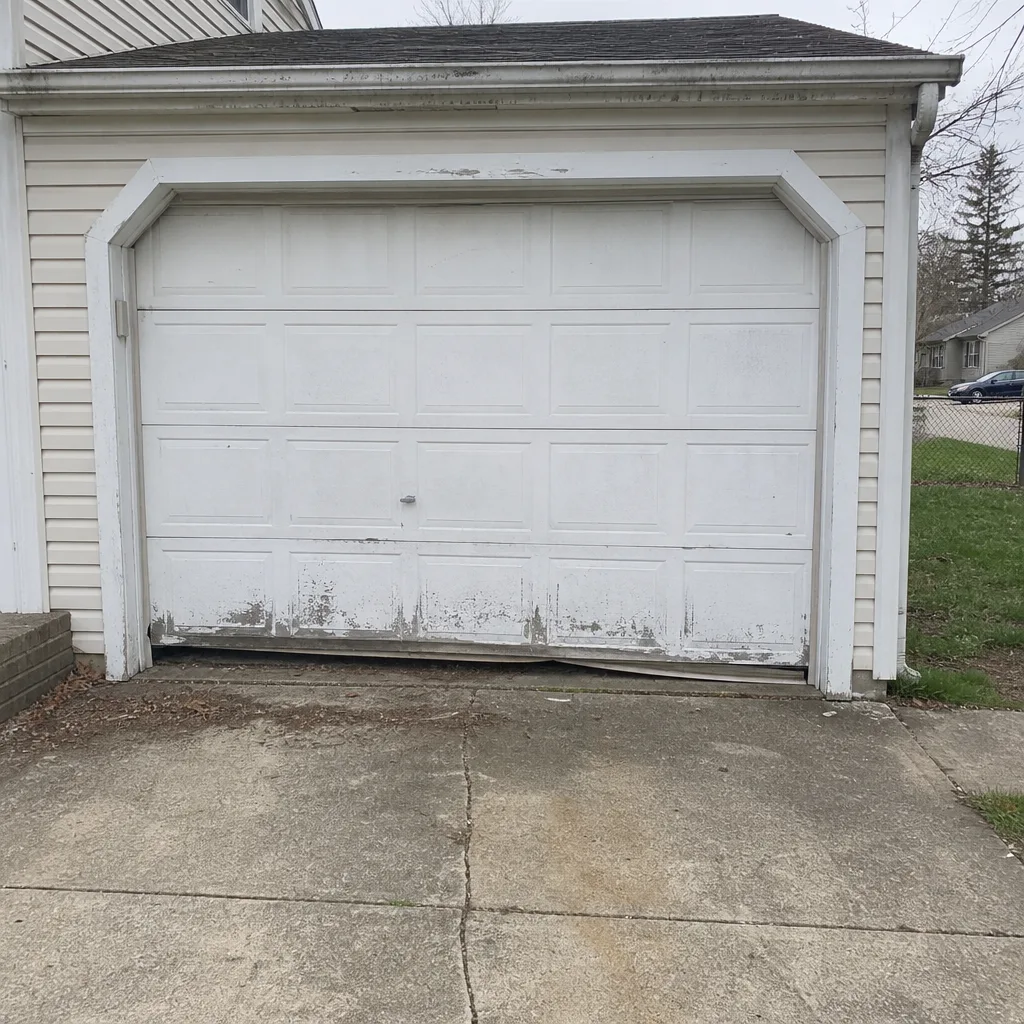 Before
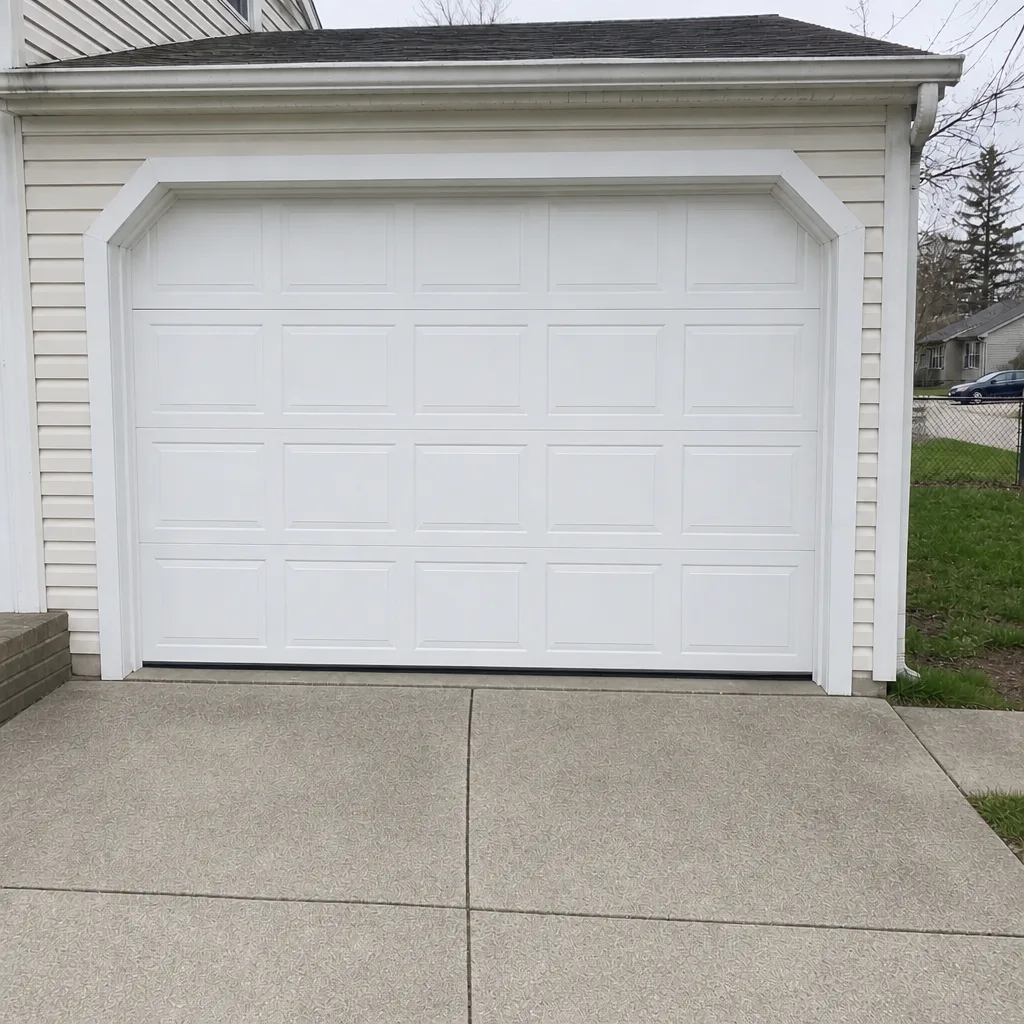 After
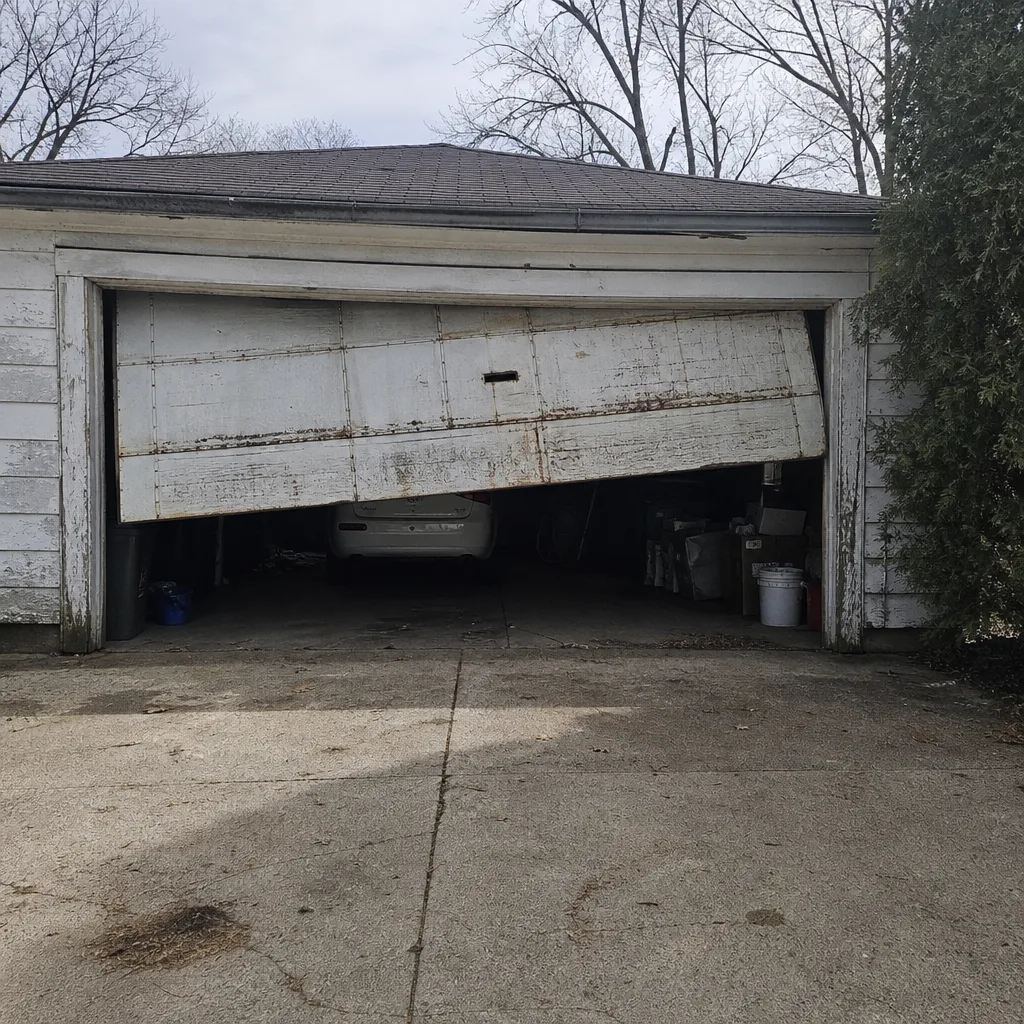 Before
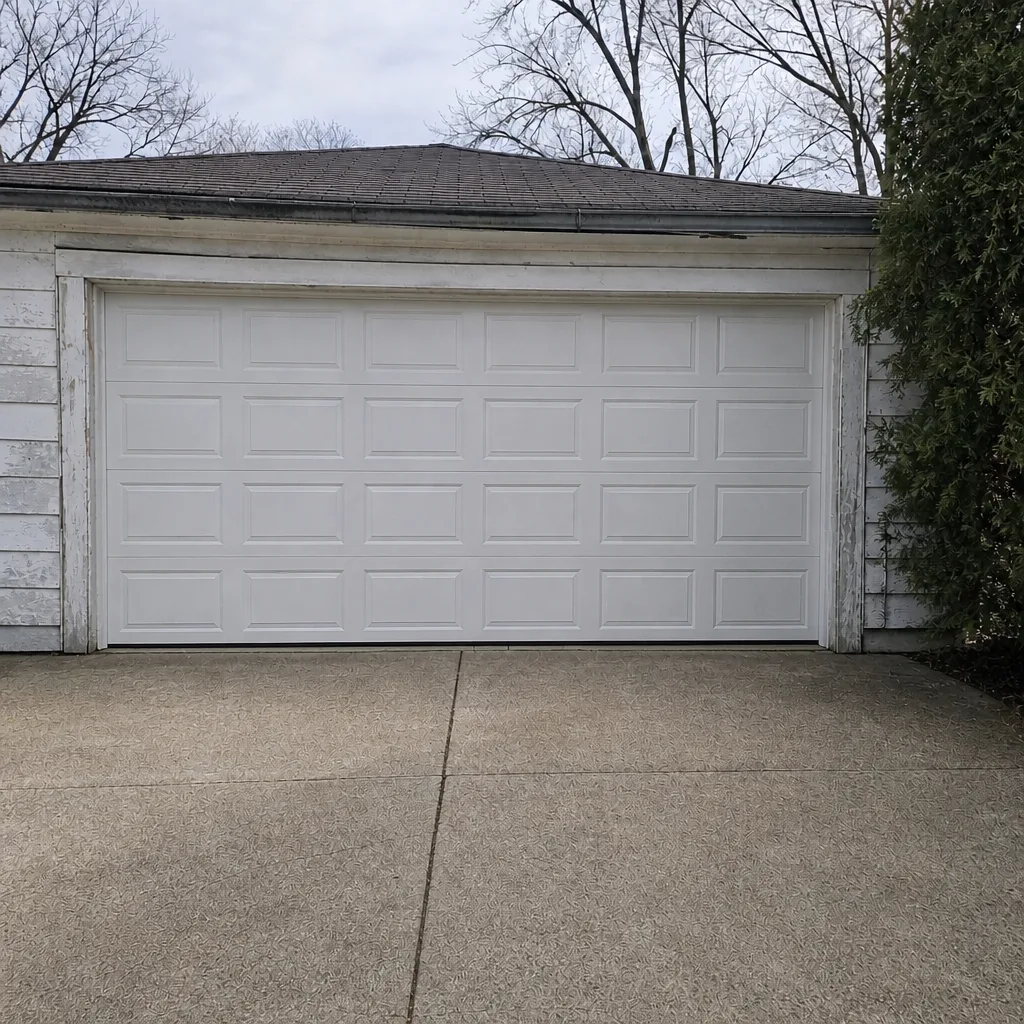 After
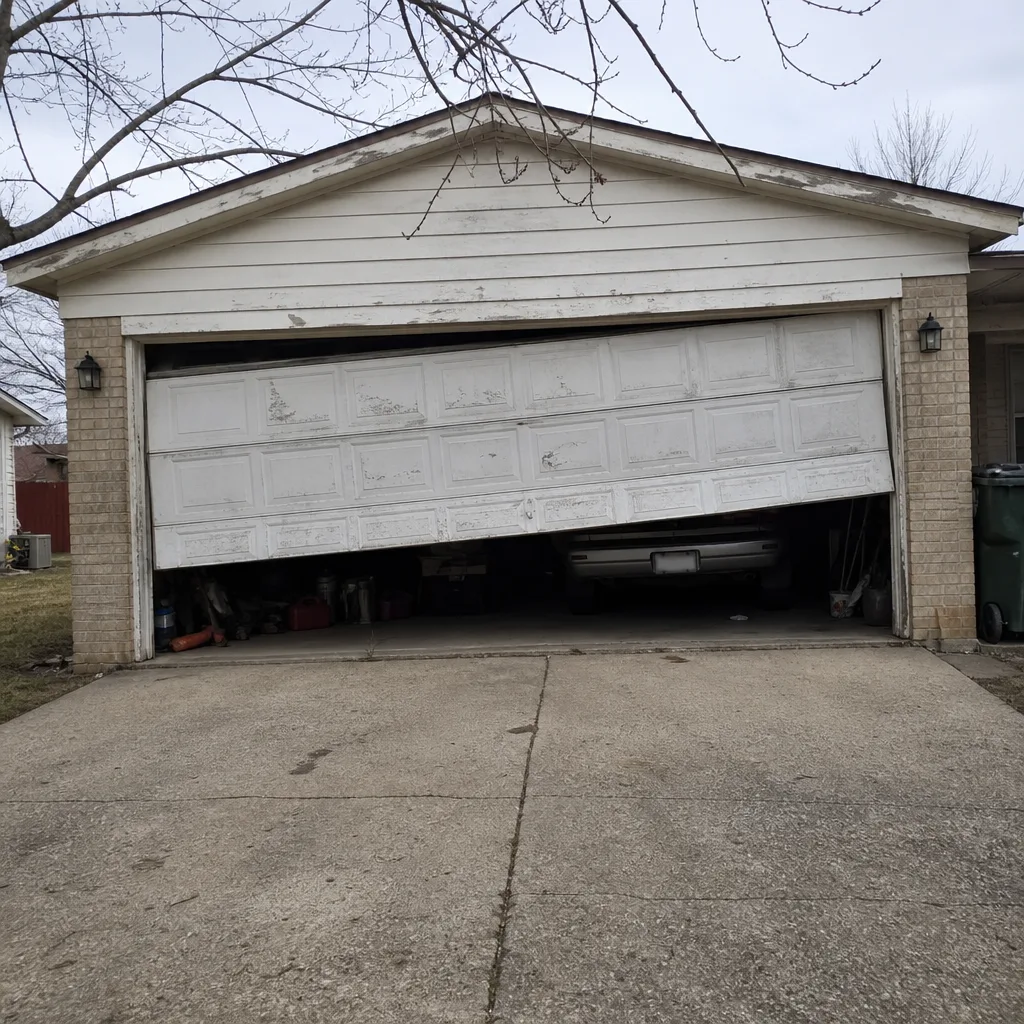 Before
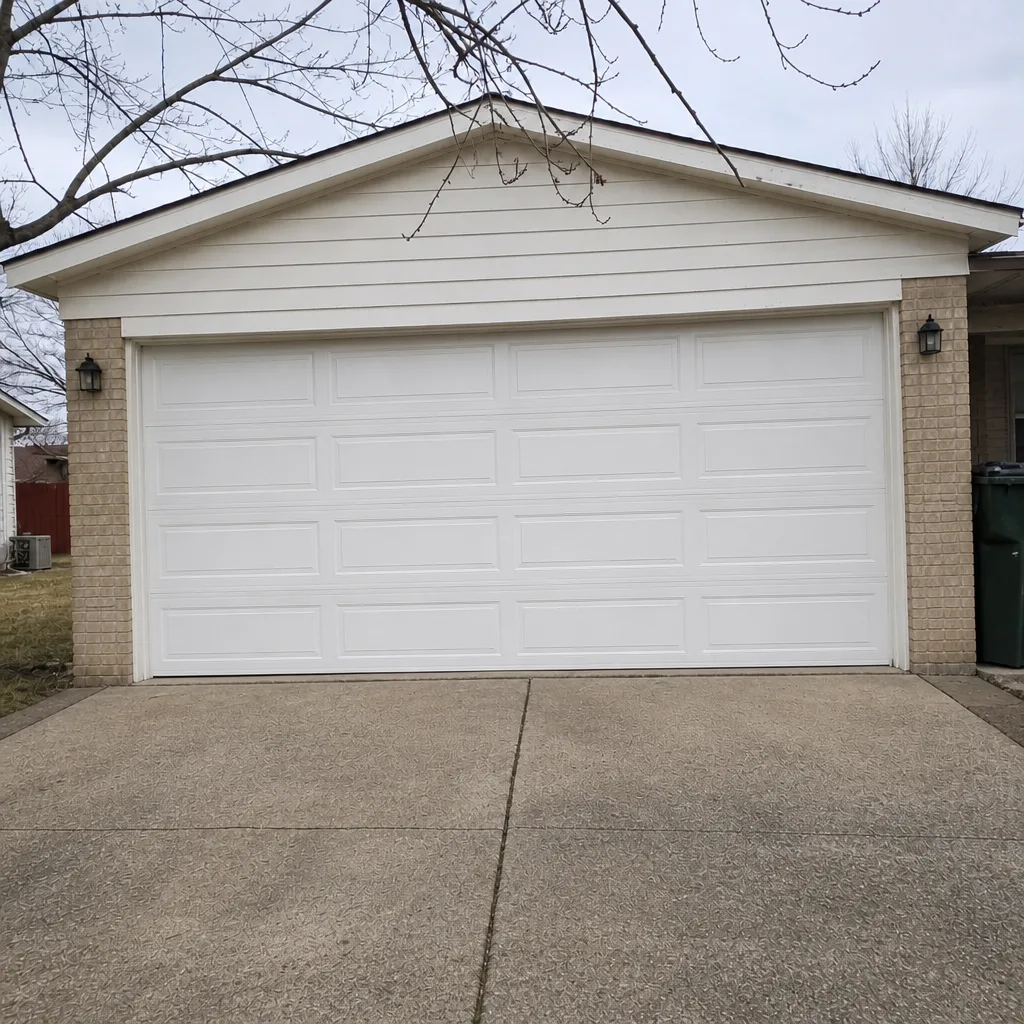 After
When to Call a Professional
Some issues are fine to watch. Others need a technician’s eyes before you operate the door again. Call when the door won’t move at all, when it’s visibly off its track, when you hear a loud bang from the spring area, when the door is noticeably heavier than usual, or when the opener reverses without an obstruction. Those are the situations where operating the door can cause more damage or a safety problem. Our technicians have up to 11 years of experience diagnosing these issues, and we work on the full range of brands in most Joliet homes. If you’re not sure whether something is urgent, call and describe what you’re seeing; we can tell you whether it’s safe to keep using the door. Joliet Garage Door Repair Pros offers free estimates in Joliet, and our line is open for emergencies because a door that won’t close isn’t something to leave overnight. Call (844) 701-0946.
Frequently Asked Questions
Twice a year is the right rhythm here: once in late fall before hard freezes set in, and once in early spring after the thaw. That schedule catches the two seasons where Joliet’s climate does the most damage to seals, springs, and opener calibration. If your door gets heavy daily use, add a visual check anytime it starts sounding different.
Start with the bottom seal and the lubricant. A stiff or cracked seal lets meltwater under the door, and cold-thickened grease increases resistance on the rollers and hinges. If the door feels heavy when you lift it by hand, that points to a spring issue, and you should call a technician rather than force it open.
No. Torsion and extension springs store enough energy to cause serious injury, and the tools required to release them safely aren’t something most homeowners have. Spring repair is the riskiest repair on a garage door, and it’s best left to a technician who does it every day. We treat it as a dedicated service for that reason.
The safety reversal test is the same on all of them: put an object under the door, close it, and confirm it reverses. What differs is where the adjustment screws or menu settings live. LiftMaster and Chamberlain typically use labeled screws on the motor housing, Craftsman models vary by generation, and Raynor opener setups can differ more between models. The test itself is universal.
It can, yes. On sealed-bearing rollers and some nylon components, adding the wrong grease can cause premature failure that manufacturers won’t cover as a defect. Always check your owner’s manual for the recommended product before applying anything.
That’s a repair. A door that’s off-track usually means the bottom seal failed, the panel warped, or a roller came loose, and the door needs to be rehung and realigned. It’s not something to fix by pushing the door back into place. Call a technician before operating the door again. For a free estimate on any repair in Joliet, call (844) 701-0946.
The Bottom Line
A maintenance checklist is only useful if it’s ranked by what actually fails first. In Joliet, that’s the bottom seal, the springs, and the opener’s force settings, in that order – and the schedule that fits is the one tied to the freeze and thaw, not a generic seasonal reminder. Handle the safe tasks yourself, call for the ones under tension, and treat the whole system as connected. From the panel to the opener to the springs, one call covers it all if something needs attention. Our technicians have up to 11 years of experience with the brands in most homes, including LiftMaster, Chamberlain, Clopay, and Amarr. When you’re ready for a new door rather than a repair, we also handle garage door installation across the same brands. Start with a free estimate: call (844) 701-0946.
For a full look at everything we handle in the area, see Joliet Garage Door Repair Pros.
Written by the team at Joliet Garage Door Repair Pros.