Last updated November 21, 2026
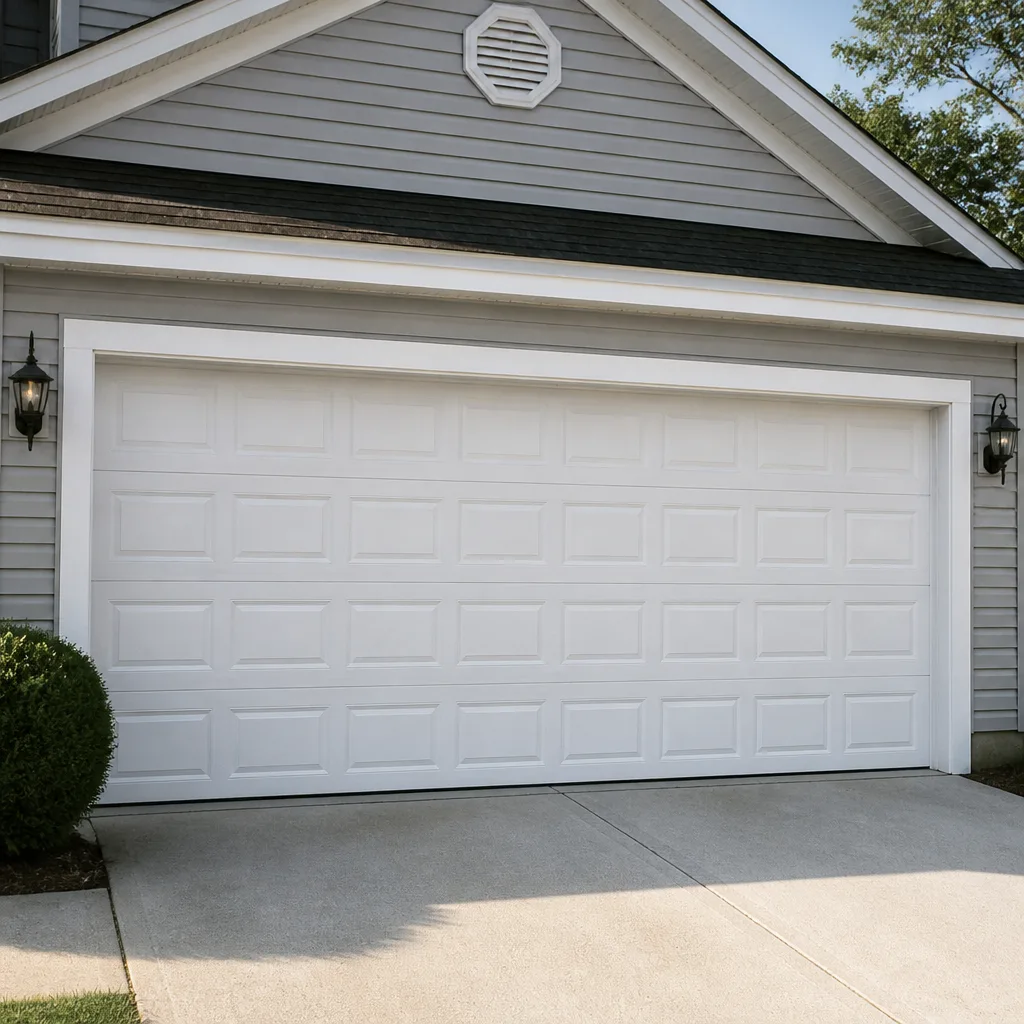 Raised-panel steel
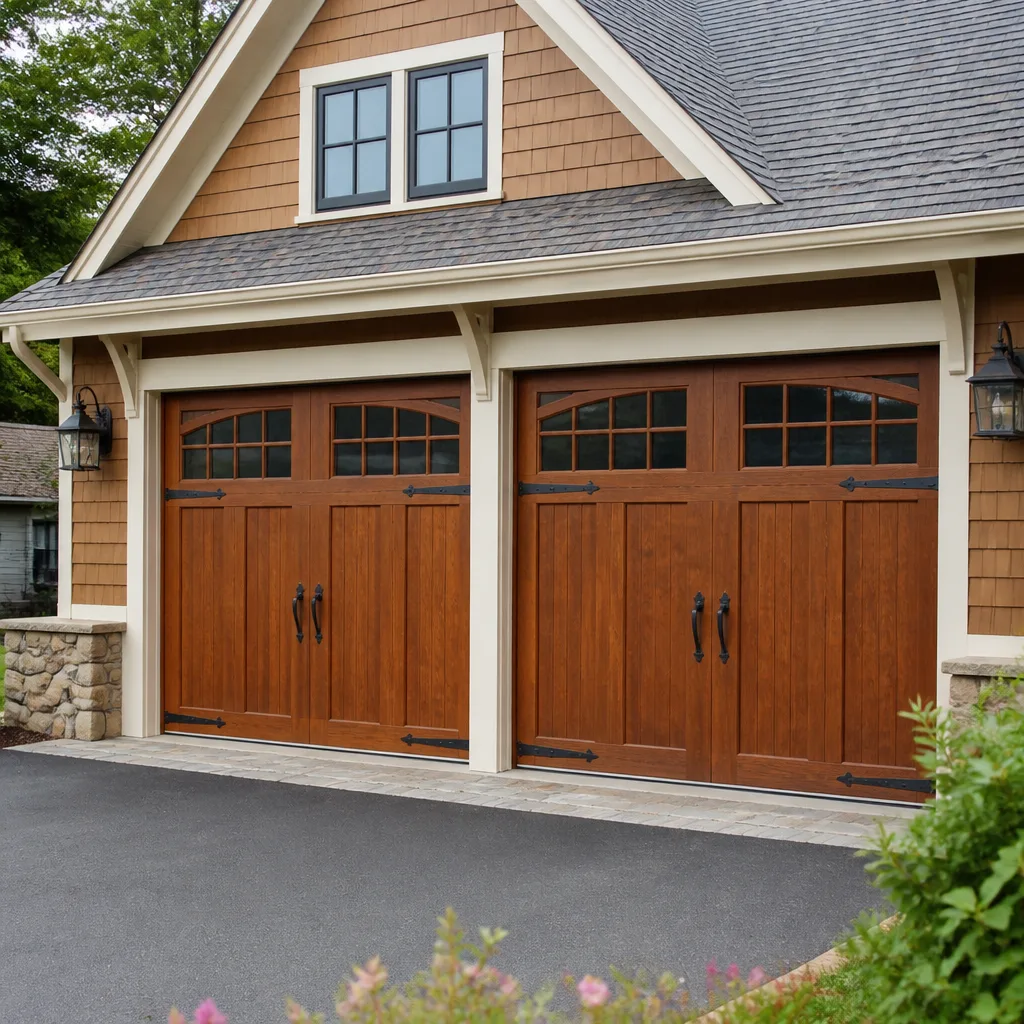 Carriage house
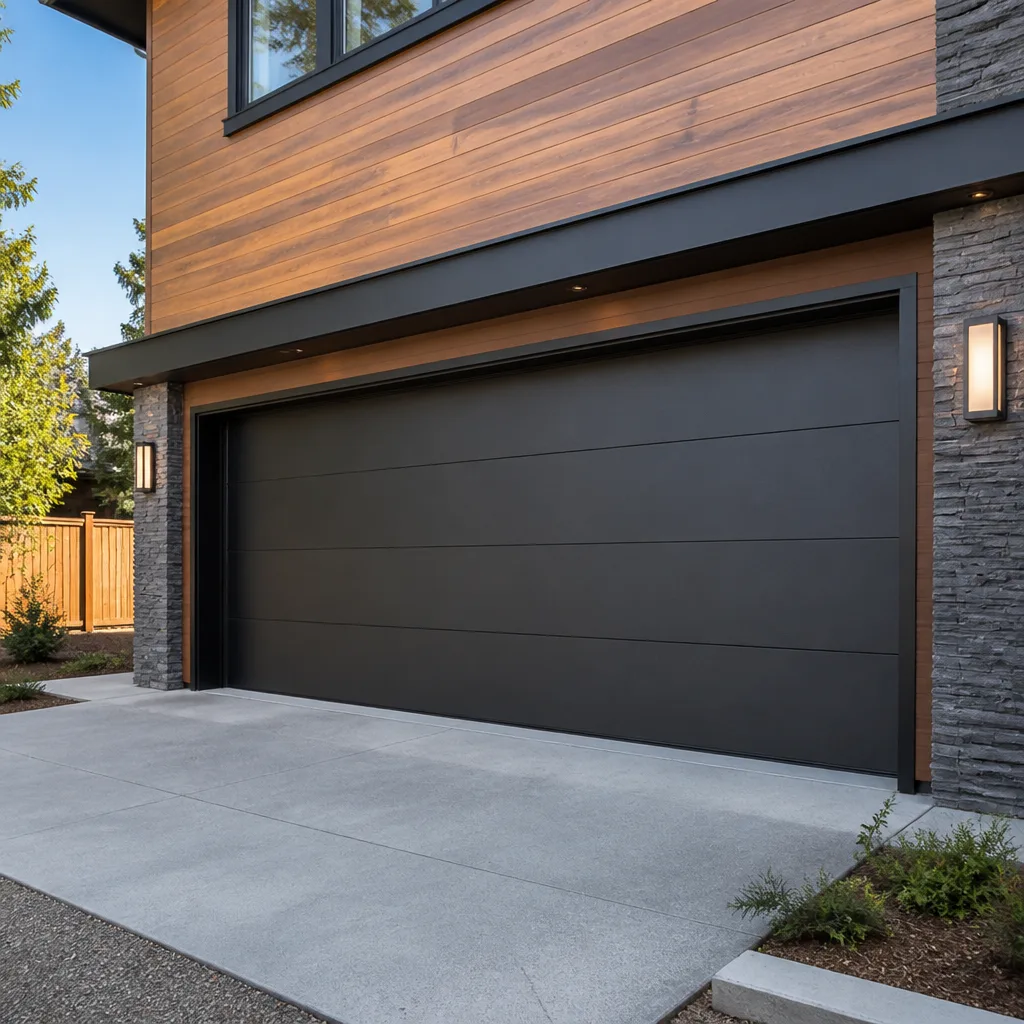 Modern flush
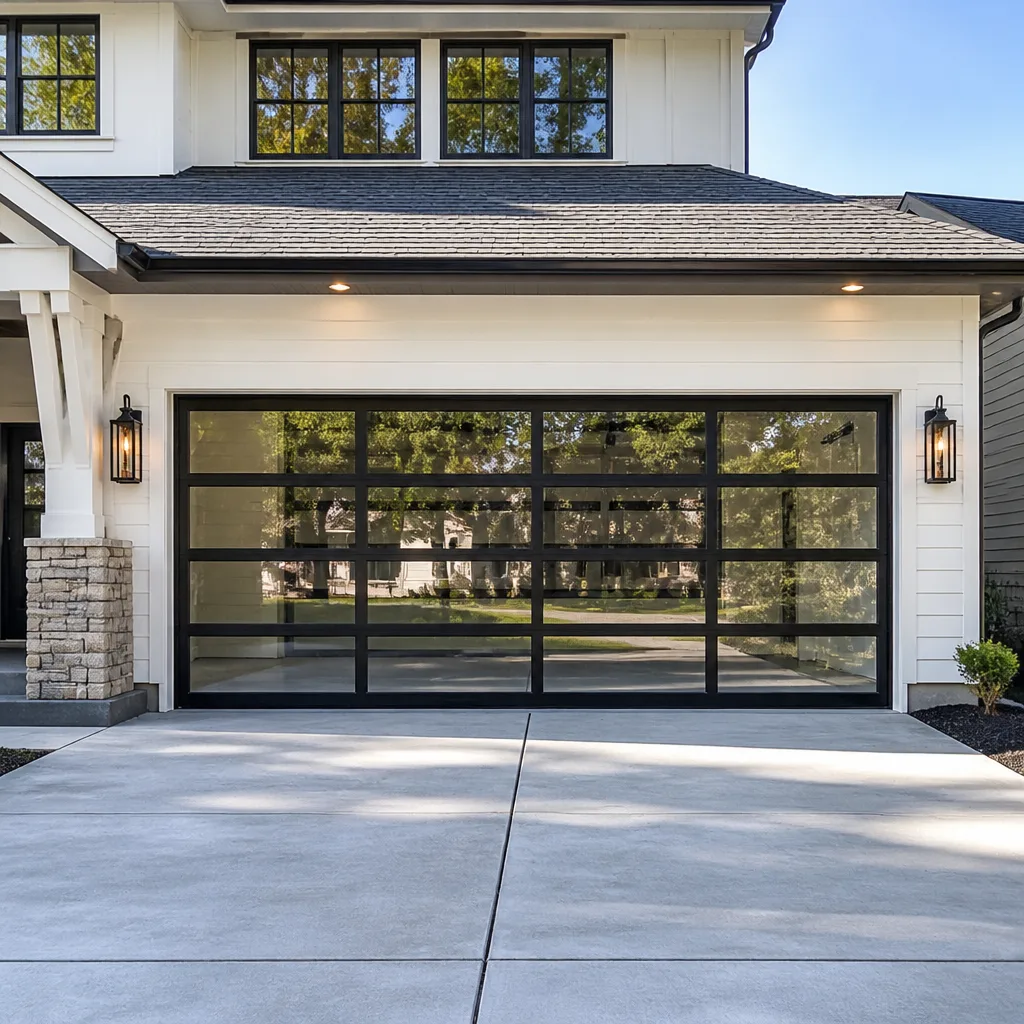 Full-view glass
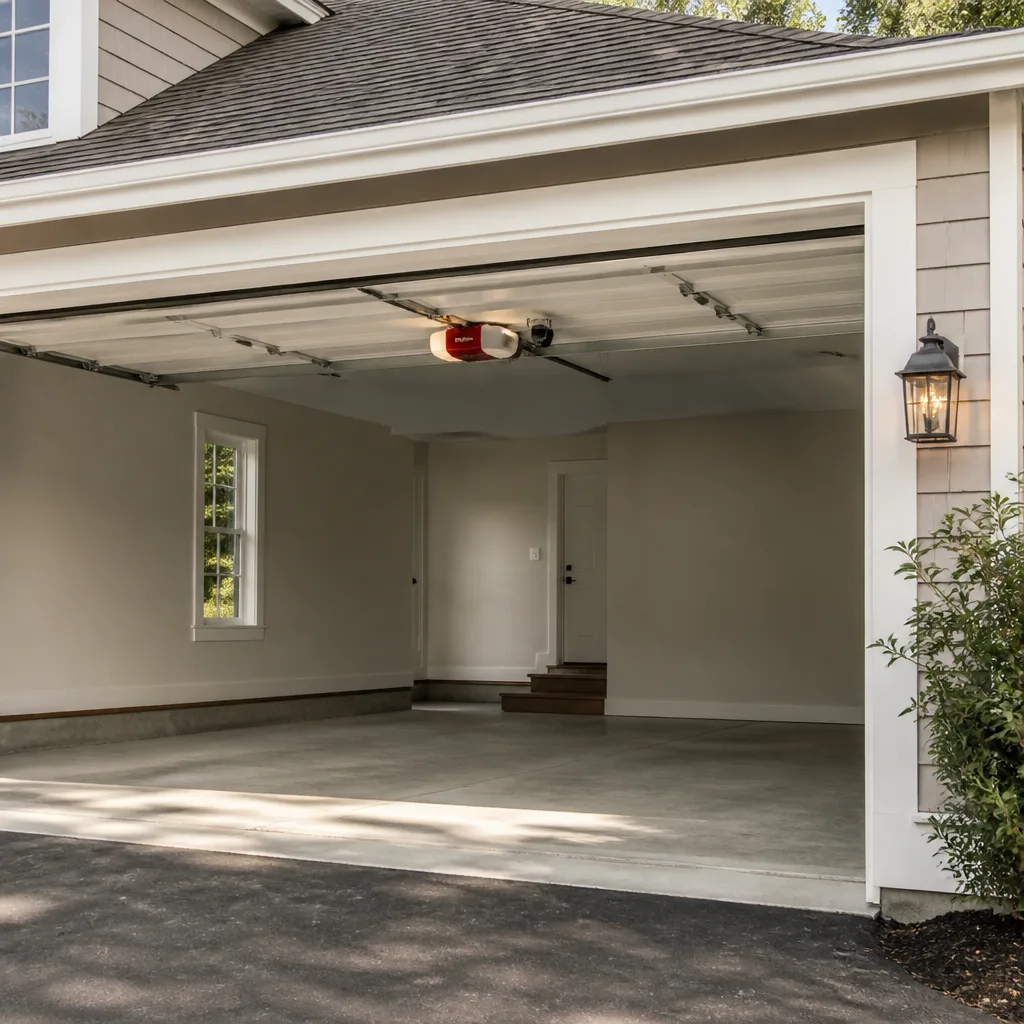 LiftMaster openers
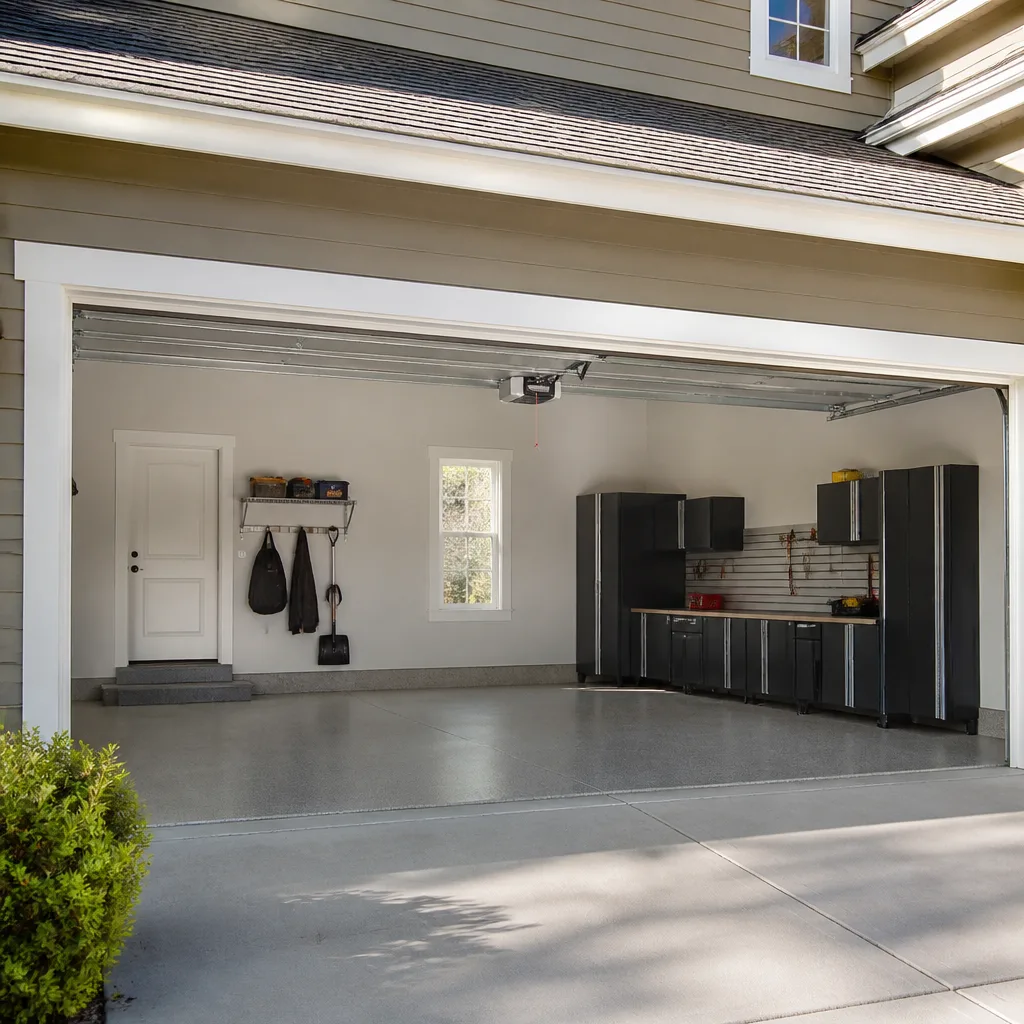 Chamberlain openers
Full 25-point door and opener safety check with every visit - springs, cables, rollers, tracks, and your LiftMaster or Chamberlain opener included
You get a price before we start. It does not change when the pro arrives.
Get your free estimateGarage Door Warning Signs: A Joliet Homeowner’s Reference Guide
Most garage door failures don’t happen without warning. They happen after weeks of warnings nobody recognized. A door that hesitates for half a second before it moves isn’t being quirky. It’s showing early-stage spring fatigue, and in the cold snaps that roll through Joliet in January, that half-second pause can turn into a full failure within days. The problem usually isn’t the door. It’s that homeowners don’t know which sounds, movements, and visual cues deserve a call and which can wait. This guide changes that. We’ll walk through what each symptom actually indicates mechanically, which warning signs allow a scheduled appointment, and which ones mean calling today.
Quick Answer
The most serious garage door warning signs in Joliet are a door that reverses before closing, a loud bang from the torsion spring, a visibly sagging or crooked door, and cable fraying near the bottom corners. These point to spring, cable, or balance problems that can cause serious injury and need same-day professional service. Slower, quieter symptoms like squealing rollers or a door that hesitates at the start are usually safe to schedule within a few days.
Styles & brands we work with
- Raised-panel steel
- Carriage house
- Modern flush
- Full-view glass
- LiftMaster openers
- Chamberlain openers
Table of Contents
- The Symptom-to-Cause Index
- What the Sounds Are Telling You
- Movement Warnings: Hesitation, Jerking, and Reversing
- Ground-Level Visual Checks You Can Do Safely
- Why a Door That “Works Fine” Is One Cold Snap from Breaking
- How Smart Opener Error Codes Map to Physical Problems
- Scheduled Appointment vs. Call Today: How to Decide
- Common Mistakes to Avoid
The Symptom-to-Cause Index
Most garage door troubleshooting guides organize by part, which is backward for a homeowner. You don’t notice a part. You notice a sound, a motion, or something that looks wrong. So let’s organize by what you actually observe. Here’s how the common symptoms map to the mechanical cause behind them.
- Loud bang from above the door, door won’t open: Broken torsion spring. The most common single failure we see in Joliet.
- Door hesitates before moving: Early-stage spring fatigue or a worn torsion spring tension setting. Often a precursor to a full break in cold weather.
- Door moves in jerky increments: Worn rollers, a bent track section, or a failing torsion spring losing tension mid-travel.
- Door reverses before touching the floor: Misaligned photo-eye sensors, a compromised safety reverse threshold, or binding in the track putting resistance on the door.
- Grinding or scraping: Roller wear, track contact, or dry hardware that’s out of adjustment.
- Squealing: Usually rollers or hinges, the least urgent symptom on this list.
- Crooked or sagging door: A broken spring on one side of a two-spring setup, or a cable that’s gone slack.
- Visible fraying on a cable: Cable fatigue, a serious condition that needs immediate attention.
- Opener runs but door doesn’t move: A broken spring, a snapped lift cable, or a decoupled drive if the opener is a belt unit.
Read through that list and notice which symptoms share causes. A door that hesitates, jerks, and sags usually has a single spring problem expressing itself three ways. That’s the pattern recognition that matters. Once you can name the symptom, you can start to place the urgency, and the sections below take each category in detail. If any item on this list describes your door right now, don’t wait to see whether it worsens. Calling sooner almost always costs less than calling after a failure.
What the Sounds Are Telling You
Garage doors always make some noise. Almost every homeowner learns to ignore a certain baseline level of rumble because “that’s just what garage doors do.” But sounds are the earliest and cheapest warning you get, and they come in a few distinct types worth understanding.
A sharp bang followed by silence. This is the unmistakable sound of a torsion spring snapping. When a torsion spring breaks, you hear a metallic crack, and the door may still hang there because torsion springs hold the door’s weight rather than lifting it directly. Do not try to open it. The weight is now uncontrolled and the door can drop. Call for emergency service.
A grinding rumble that wasn’t there last month. Grinding usually means a roller bearing has seized or a roller’s surface has worn through to the metal shank touching the track. It usually develops gradually, so a scheduled appointment within a week is reasonable as long as the door still moves smoothly.
A high-pitched squeal. This is typically lubrication-related, on hinges, rollers, or the opener’s chain and rail. Squeals are the most benign sound on this list. A general tightening and lubrication visit handles most cases, and if a hinge pin is worn, it’s an inexpensive replacement.
A rhythmic thunk-tick with every cycle. This usually traces to the opener drive. A chain with too much slack, a worn sprocket, or a bent rail section produces a repeating sound synced to the opener’s rotation. If the opener is a Craftsman or a Chamberlain belt drive, the sound may also come from a stretched belt settling against the housing.
In our experience in Joliet: the sounds that arrive suddenly and loudly are almost always the spring or cable on the mechanical side. The sounds that build gradually are almost always rollers, hinges, and opener drives. Noise that appears overnight after a temperature drop is the most important category, and that’s the one covered further down.
Movement Warnings: Hesitation, Jerking, and Reversing
Movement problems are the middle ground between minor and urgent. How the door moves tells you whether the mechanical system is balanced and whether the safety system is functioning. Here’s what each motion pattern indicates.
Hesitation at the start of travel
A door that pauses for a beat before it begins to move is showing early-stage spring fatigue. The torsion spring lifts roughly the full weight of a residential door, and as the spring fatigues it delivers less lift force. The opener has to work harder to start the door, which produces the pause. It can continue this way for weeks. But in cold weather, spring steel becomes more brittle, and a fatigued spring’s last remaining strength can fail within days once temperatures drop. In Joliet’s winters, this is the single most common pre-failure symptom homeowners report after the fact.
Jerking or catching mid-travel
A door that moves in uneven increments is either binding in its track or losing spring tension. Binding produces a rhythmic pattern tied to specific roller positions. A tension loss produces a rougher, more erratic feel. Both can accelerate wear on the opener, which is a secondary concern; the primary one is the stress on the spring itself. This calls for a scheduled visit within a few days.
Reversing before touching the floor
This is usually a safety sensor issue, but it can also indicate binding in the door that trips the reversible safety threshold. On a properly operating door, the opener senses an obstruction and reverses. If the door reverses on its own, it either thinks there’s an obstruction (misaligned photo-eye) or the mechanical resistance has increased past the point the opener can overcome. Do not override the sensor to force the door closed. That disables the safety that protects children, pets, and anything underneath.
Uneven travel, one side lower than the other
A door that rides crookedly almost always indicates a broken spring on a two-spring setup, or a cable that’s gone slack on one side. This creates a dangerous imbalance where one side carries most of the load. It’s the warning sign that demands the fastest response, because the next move can be a damaging one.
The opener runs but the door doesn’t move
If you hear the motor running without the door responding, the likely cause is a broken lift cable or a broken spring. On a belt-drive opener, the belt may also have slipped off its sprocket. Do not force the door up by hand. The mechanical system isn’t holding its load and the door can come down fast.
If any of these motion patterns matches what you’re seeing, our garage door repair team can diagnose the exact cause and let you know whether it’s a spring, cable, track, or opener problem before it fails.
Ground-Level Visual Checks You Can Do Safely
You can learn a lot about a garage door’s condition without touching a moving part. All of the checks below are safe to do from the floor. Never put your hands near a spring, cable, or any moving component, and never try to disassemble or adjust anything mechanical. This is purely observation.
What to look for on the spring
- A visible gap in a torsion spring’s coil (a spring that looks “split” or has a loose piece hanging) is a broken spring. Stop here and call for emergency service.
- An extended spring on a stretch-spring setup that looks longer than usual suggests metal fatigue.
- Rust streaks or orange dust around the spring mount indicate moisture exposure. Joliet’s humid summers and road-salt winters work on the metal in a garage’s interior, so this is common here.
- Any spring that looks bent, out of alignment with its ends, or shifted from its original position needs a professional evaluation.
What to look for on the cables
- Fraying near the bottom corner where the cable loops through the drum, or near the door’s lower bracket, is the earliest warning sign of a failing cable.
- A cable that’s visibly loose (draping below its usual path) usually means it’s snapped or detached at one end.
- Rust on the cable wire itself reduces strength and is worth noting even if it’s not yet frayed.
What to look for on rollers and tracks
- Rollers that are worn flat rather than round cause grinding. Rollers that look cracked or have visible flat spots are past their wear point.
- Tracks that are bent, have separated joints, or are pushed out of vertical alignment at the curve cause jerking and premature wear.
- Loose track brackets usually show as small gaps between the track and the wall bracket; a wobbly door follows.
What to look for on the door itself
- Panel separation (a gap where two sections should meet) means a hinge or roller has failed.
- Sagging at the top or bottom edge of the door means the lift is unbalanced.
- Cracks in the panel finish aren’t structural, but they’re a sign the door’s exterior is aging and worth a repair visit before moisture gets in.
If a Clopay, Amarr, Wayne Dalton, or any other model on your door has any of these visible signs, the checks cost you nothing and can save you an emergency call. Aesthetic cracks can wait. Structural gaps, fraying cables, and spring damage cannot.
Why a Door That “Works Fine” Is One Cold Snap from Breaking
The most common pattern in garage door failures is that the homeowner never noticed anything wrong until the morning the door wouldn’t move. That’s because fatigue doesn’t announce itself with a bang. It builds silently, and the door keeps working, just with a little more effort than before.
Here’s the mechanism. A torsion spring holds the door’s weight through its torsion, the tension of the coiled metal. As the spring cycles up and down, its metal fatigues little by little. For most of that fatigue cycle, the spring still holds enough force to lift the door. The door “works fine.” But the margin between “works fine” and “broken” narrows. When cold weather arrives, spring steel becomes more brittle. Combined with the added resistance of thicker cold lubricant and slightly stiffer rollers, the spring’s remaining margin shrinks further. Then one morning, the accumulated fatigue plus the cold exceeds the spring’s remaining strength, and it snaps.
For Joliet specifically, this is not a hypothetical. Winters here swing through hard cold snaps, and the drop from a mild 40-degree day to a below-freezing morning can happen inside 24 hours. In our experience, the weeks after the first real cold snap bring the most spring failures of the year. That’s why a door that works quietly but “sounds a little tired” needs a preventive check before mid-December, not after the first failure. And the fatigue doesn’t just matter in winter. A hot June afternoon produces thermal expansion that can mimic the same symptoms on an already-fatigued spring, which is why old springs fail at both ends of the temperature scale.
A preventive spring inspection and a light lubrication visit cost far less than an emergency call at 7 a.m. after the door has already snapped. If you know your door is several years old and has never had a spring check, it’s worth seeing a technician before the weather decides for you.
How Smart Opener Error Codes Map to Physical Problems
Modern openers are diagnostic tools if you know how to read them. LiftMaster, Chamberlain, Genie, and Craftsman units all report fault codes to indicate why a cycle failed. Most homeowners close the app and forget about them. But some of those codes are telling you about a physical problem, not an electronic one.
The most important ones to recognize:
- Repeated safety-reverse codes: The photo-eye is either misaligned, dirty, or blocked. If cleaning and alignment don’t fix it, the door’s mechanical resistance may be tripping the safety threshold, which is a physical problem, not an electronic one.
- Obstruction codes with a clear path: If the opener reports an obstruction but nothing is visibly blocking the door, the door is binding. This usually traces back to rollers, track, or spring tension.
- Limit or travel errors: The opener doesn’t know where the door’s open and closed positions are. If recalibration doesn’t hold, the door’s actual travel has changed, often because the spring has lost lift force and the door stops short.
- Motor overload or thermal shutdown codes: The motor is working too hard and cutting out for protection. The opener’s real problem is usually that it’s fighting a spring that can’t lift its share, or a track that’s dragging.
- Battery or wall-control communication errors: These are genuinely electronic and usually a wall-control or battery board issue. A technician familiar with LiftMaster, Chamberlain, and Genie platforms can diagnose and resolve these without replacing the whole opener.
What to do with an error code before you call
- Look up the code in the opener’s manual or app, and note the exact code name.
- Check the obvious physical items: photo-eye alignment, a visually blocked door path, a door that’s visibly crooked or sagging.
- Do not repeatedly cycle the door to “see if it clears.” You’re putting more cycles on a system that may already be broken.
- Tell the technician the exact code and the door’s visible condition when you call, so they can bring the right parts for the brand.
Having the code name in hand saves diagnostic time, and diagnostic time is where most of the cost of an opener call lives. Our garage door opener repair covers every platform in most homes, and knowing your system before arrival means most openers get fixed in a single visit.
Scheduled Appointment vs. Call Today: How to Decide
Not every warning sign warrants an emergency call. Calling too soon breaks your week. Waiting too long breaks your door. Here’s the practical rule: if the door can open and close fully under control, and someone is home to operate it manually, it can usually wait a few days. If the door cannot be safely controlled, it needs same-day service.
Call today (same-day service)
- A torsion spring has snapped. You heard the bang, the door hangs, or the door won’t lift.
- A lift cable is visibly frayed, snapped, or draping.
- The door is crooked or sagging to one side.
- The door is stuck open or stuck shut and is the only way in or out.
- The door reverses or fails mid-travel and cannot be reliably closed.
- The opener motor is smoking, smells burnt, or trips a breaker.
- Any time the door is a safety hazard to children, pets, or vehicles.
Schedule within a few days
- Grinding or squealing that wasn’t there last month, but the door moves smoothly.
- A door that hesitates briefly but opens and closes normally.
- Rollers that look worn or a track that’s slightly misaligned.
- Smart opener error codes that reset cleanly and don’t recur.
- Panel cracks or finish wear.
- A door that’s loud but functional and hasn’t been professionally serviced in years.
Springs are the most dangerous component in your garage door system. Get them fixed by someone who does this every day. If you’re in Joliet and your door is on the call-today list, don’t wait to see whether it gets worse. Joliet Garage Door Repair Pros handles emergency calls with the same upfront pricing you’d get on a scheduled visit. Price is quoted and agreed before any work starts, even on an emergency.
Common Mistakes to Avoid
- Ignoring a hesitation because the door still opens. Hesitation is not cosmetic. It’s the most reliable early signal of spring fatigue, and in Joliet’s cold snaps, that pause can become a full failure within days. Get it looked at before the weather does the diagnosis for you.
- Trying to lift a door with a broken spring by hand. A torsion spring holds roughly the full weight of the door. Once it breaks, releasing the opener leaves a door that can come down hard. Call for service instead.
- Overriding the safety reverse sensors. A door that reverses on its own is telling you something is wrong. Forcing it closed either with a locked sensor or by holding the button treats the symptom, not the cause, and it disables the safety that protects anything underneath.
- Lubricating and calling it fixed. Lubrication handles squeals and dry hardware. It does nothing for spring fatigue, frayed cables, or bent tracks. If the noise has changed, a lube job alone doesn’t address the mechanical wear behind the change.
- Assuming “it’s just the opener” when the motor runs but the door doesn’t move. This is usually a broken spring or cable on the mechanical side. Replacing the opener won’t fix it, and you’ll have paid for two repairs instead of one.
- Waiting until mid-December to schedule a spring check. Spring fatigue is highest when temperatures swing, and Joliet winters are full of cold snaps. The best time for a preventive check is before the first freeze, not after the door has failed.
- Repairing a spring on a door that needs a matched pair replaced together. Torsion systems are commonly designed with two springs, and when one breaks, the other is fatigued by the same cycles. Replacing just one leaves the door with an unbalanced setup. A matched pair is usually replaced together; we price that clearly since it costs about twice a single spring.
When to Call a Professional
Some problems wait and some don’t. The line runs right through anything involving tension, weight, or the safety threshold. If your spring has snapped, a cable is fraying, the door sags to one side, or the safety reverse is failing, call a professional today. Springs and cables hold the door’s full weight; a sudden failure can cause serious injury. If your door hesitates at the start, grinds, or reports repeated opener error codes but still opens and closes under control, a scheduled visit handles it. Joliet Garage Door Repair Pros offers free estimates in Joliet. Call (844) 701-0946. Every price is quoted and agreed before any work starts, so you know the number before the technician touches the door. When the door won’t move, we move fast.
See the difference
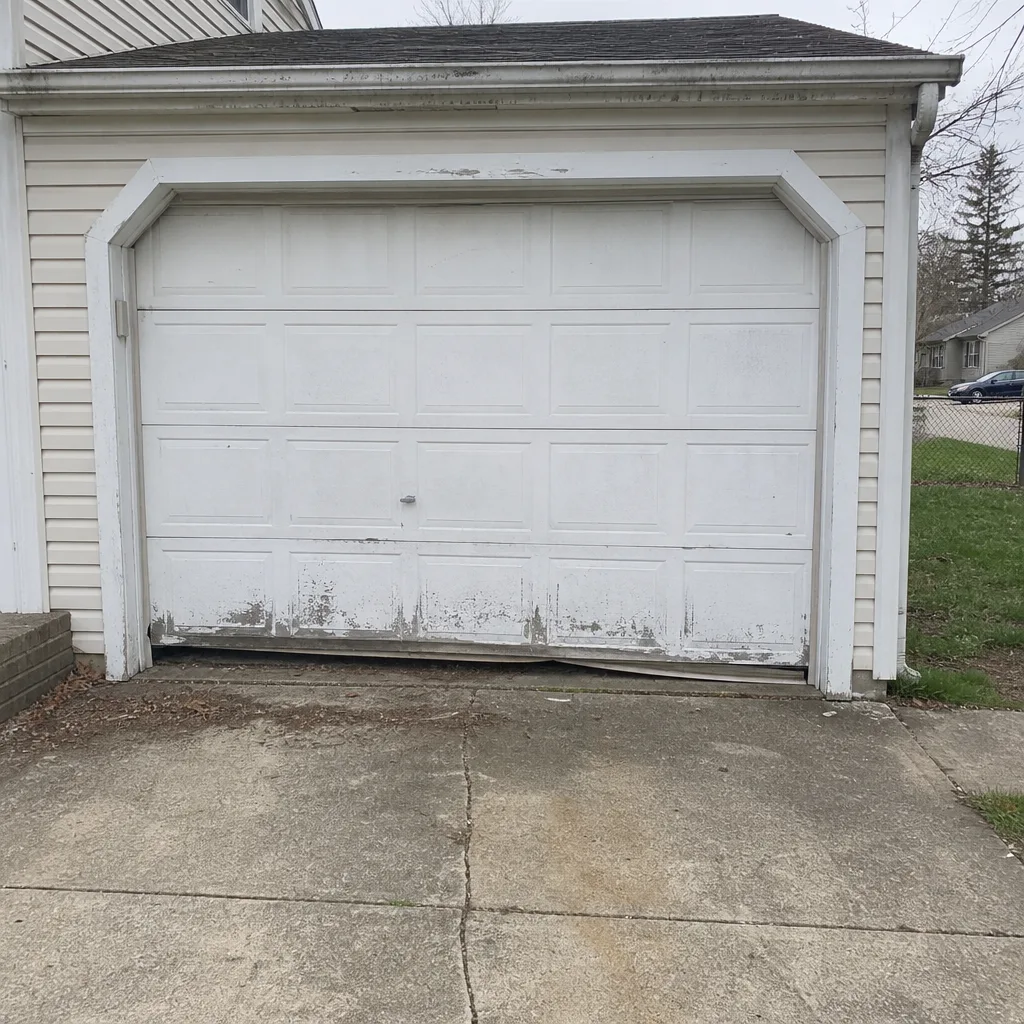 Before
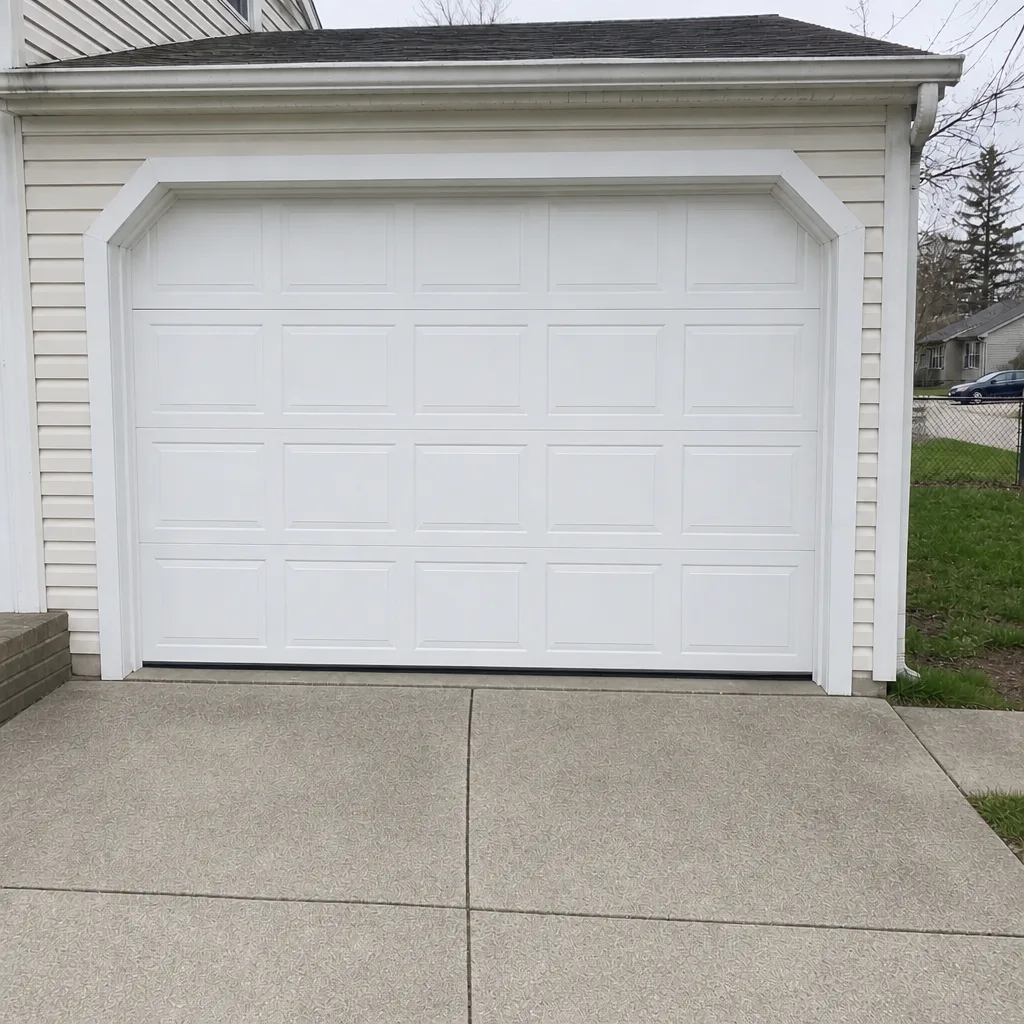 After
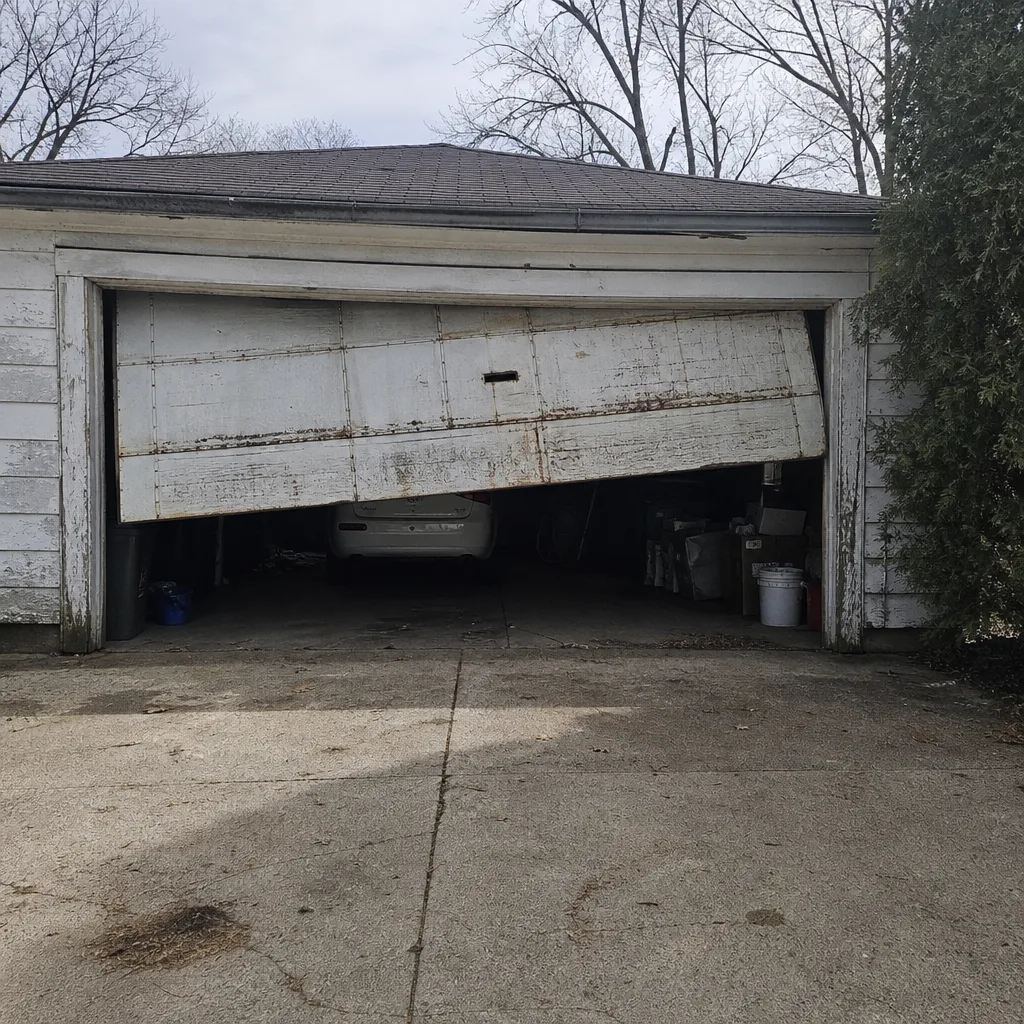 Before
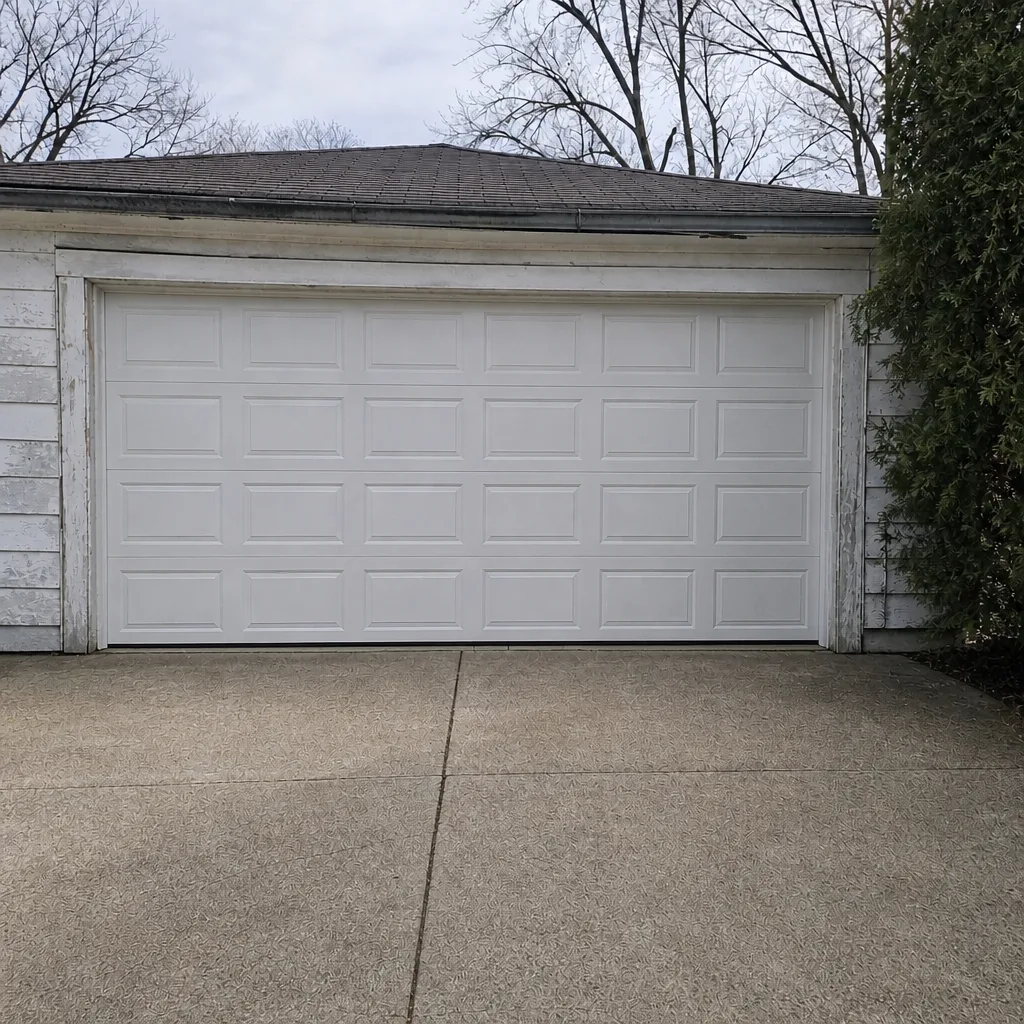 After
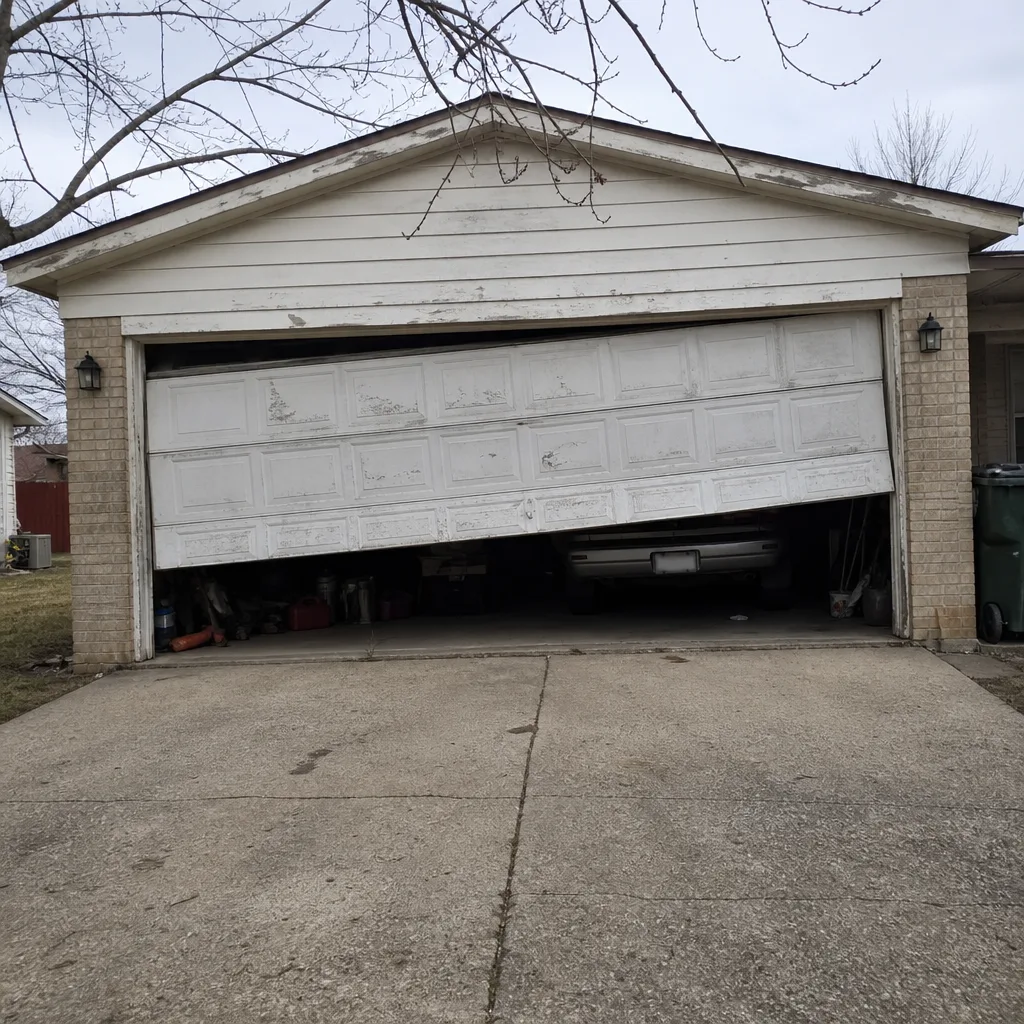 Before
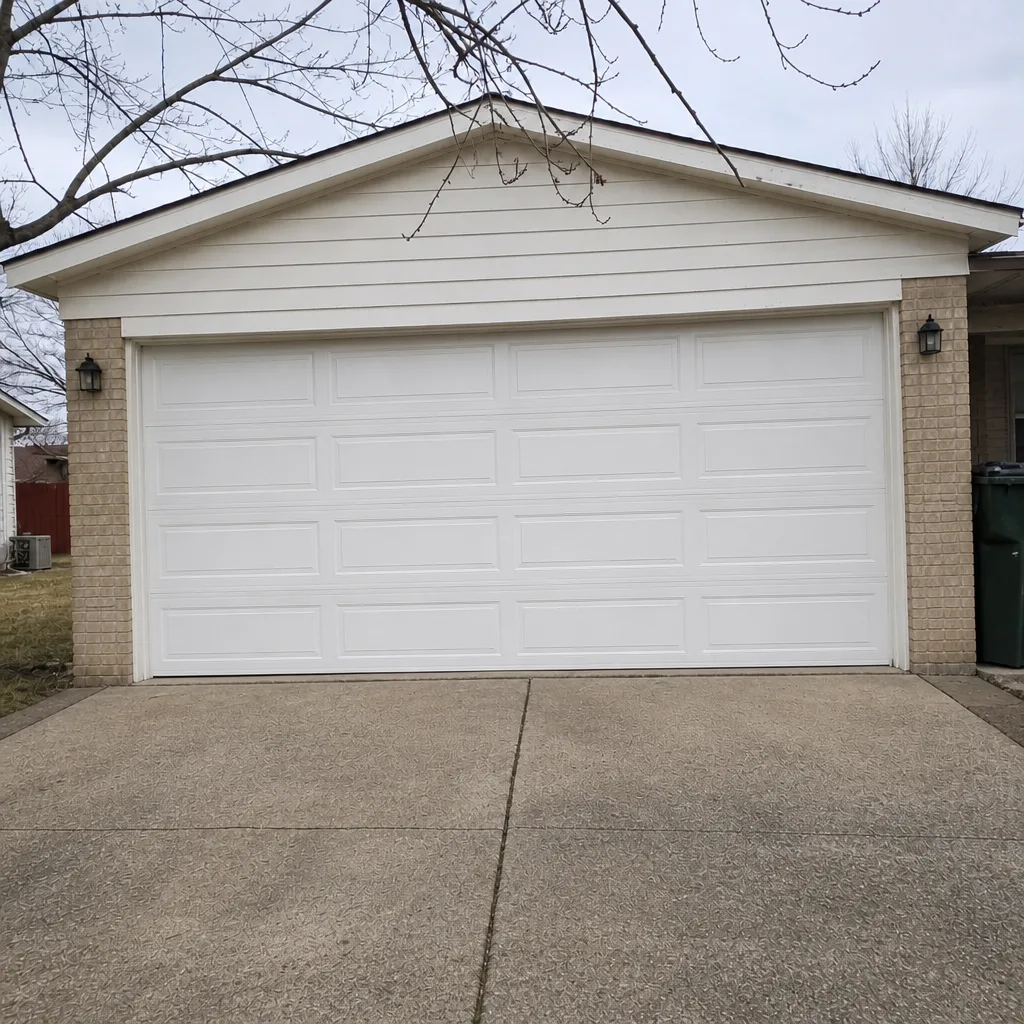 After
Frequently Asked Questions
The most common warning signs in Joliet are a door that hesitates at the start, grinding or squealing during travel, a door that reverses before touching the floor, and visible fraying on the cables. These show up in exactly that order of severity as the door approaches a failure. Call (844) 701-0946 for an exact quote, and the estimate is free.
Spring repair is priced per spring, and a typical single torsion spring runs in the low-hundreds range with a written estimate confirming the number before work starts. A two-spring setup is usually replaced as a matched pair together, so the labor and parts cost roughly twice a single spring. Call (844) 701-0946 for an exact quote; estimates are free.
Sometimes you can. Visible signs include rust streaks around the spring mount, a gap in the coil, or an extended stretch-spring that looks longer than it used to. A door that hesitates before moving is also a strong indicator that the spring has lost tension. These signs are worth a preventive check. Call (844) 701-0946 for a free estimate.
No. The price is quoted and agreed before any work starts, and the written estimate is what you pay. If the technician finds an additional problem not covered in the original scope, you’ll hear about it and agree to any change before work continues. Call (844) 701-0946 for an exact quote.
The local professional we connect you with is licensed and insured as their state requires. Our technicians have up to 11 years of experience and are factory-familiar with the major brands most Joliet homes have on their doors. Call (844) 701-0946 to discuss your door.
A loud bang followed by a door that won’t open is almost always a snapped torsion spring. Do not try to open the door by hand and don’t run the opener repeatedly. Call (844) 701-0946, and we can discuss same-day emergency service. This is a call-today situation.
Most warning signs on this guide are repair problems, not replacement signals. If the door’s panels are visibly damaged, the structure is separating, or the door is out of balance beyond normal adjustment, replacement may make more sense. Our garage door installation covers Clopay, Amarr, Wayne Dalton, and other brands most homeowners choose. Call (844) 701-0946 and we’ll give you a straight answer on repair versus replace.
The Bottom Line
Every garage door failure has warnings. Hesitation at the start is spring fatigue. A bang is a broken spring. Grinding is roller or track wear. Squealing is lubrication. A reverse before the floor means a sensor or binding problem. Crooked travel means a broken spring on one side or a slack cable. Take that pattern and match it to what you hear, see, and feel. If a spring has snapped, a cable is frayed, or the door is crooked, call today. If the door still works with a noise that’s new, schedule within a week. And if the door has never had a professional spring check, get one before Joliet’s next cold snap decides the timing. Our technicians know the Clopay, Amarr, and Wayne Dalton doors on most Joliet homes, and can diagnose the problem in a single visit.
Contact Us for a Free Estimate
If a symptom on this guide matches your door, or if you’d just like a professional to look it over before the weather turns, call Joliet Garage Door Repair Pros at (844) 701-0946. We’ll give you a free estimate, quote the price before any work starts, and let you know whether it’s a scheduled visit or a same-day emergency. From the panel to the opener to the springs, one call covers it all.
Written by the team at Joliet Garage Door Repair Pros.