Last updated November 21, 2026
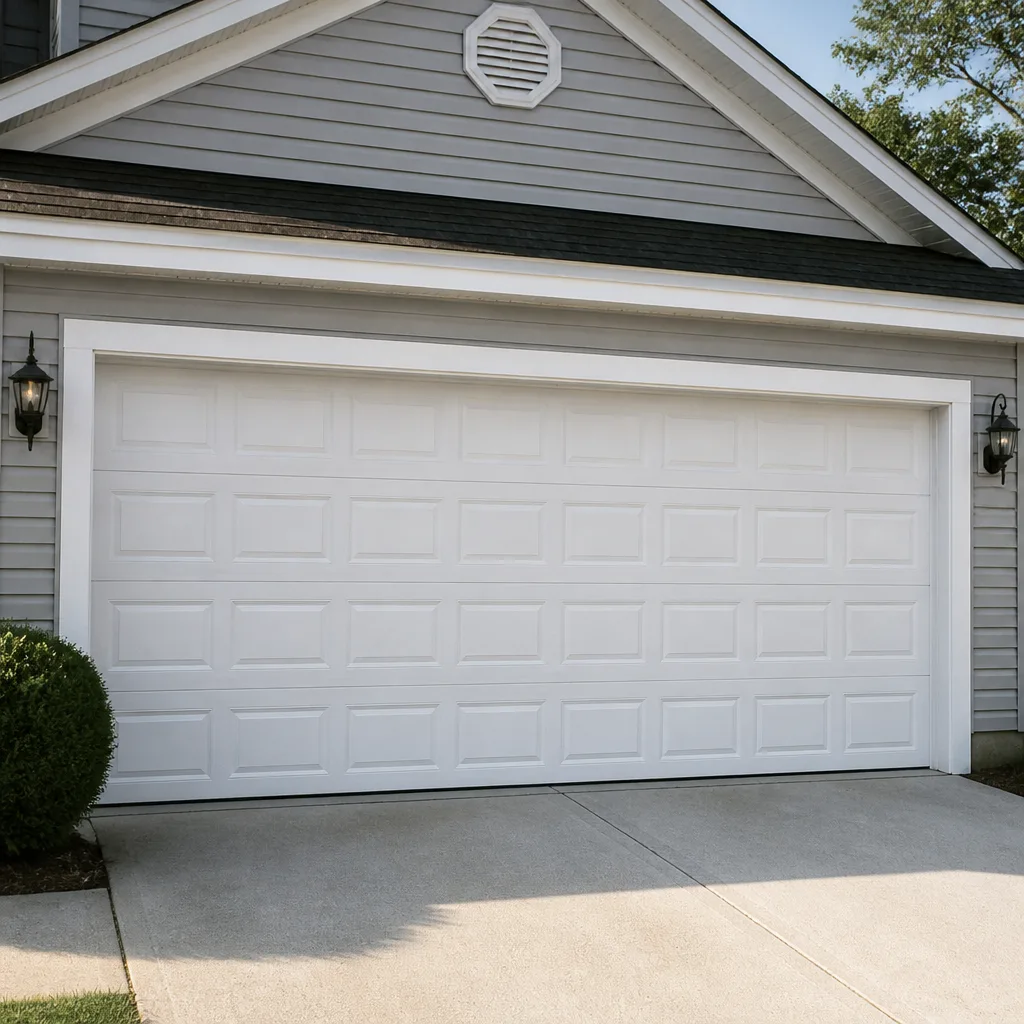 Raised-panel steel
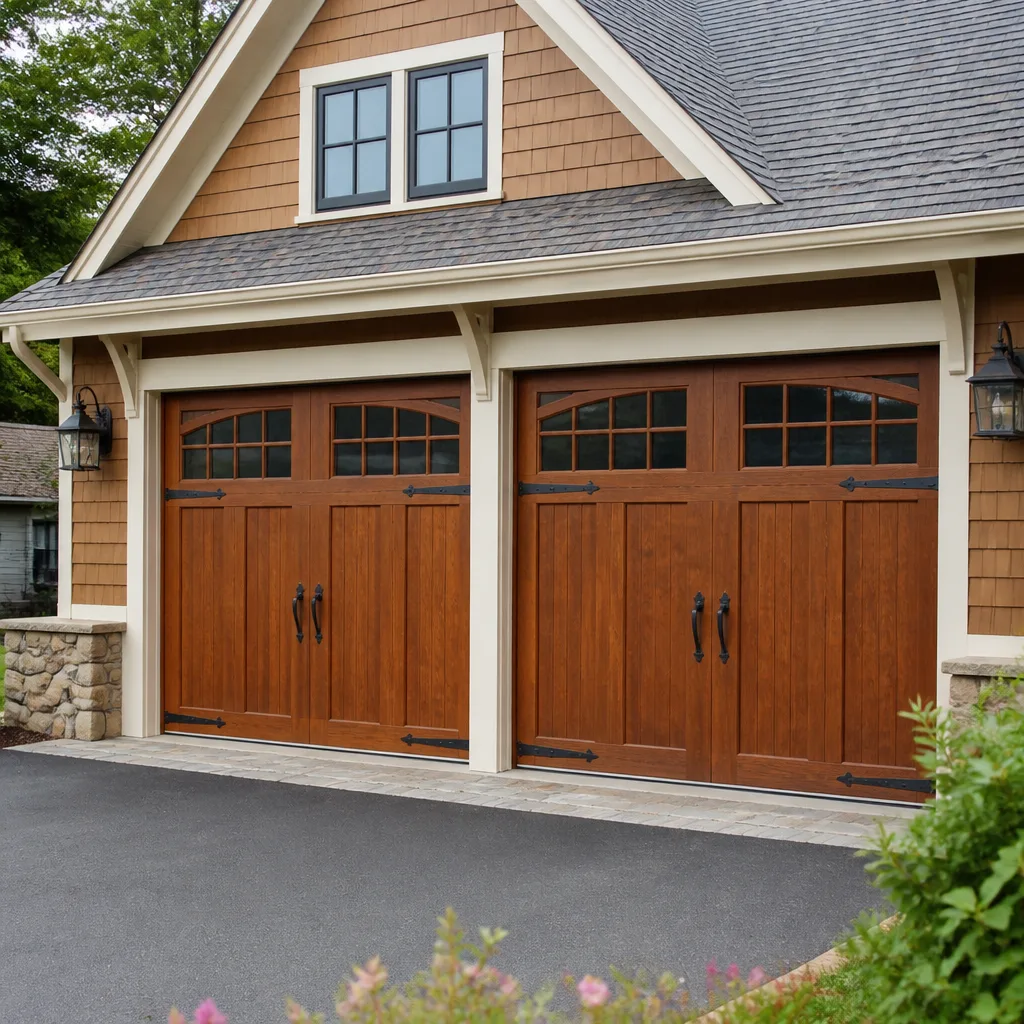 Carriage house
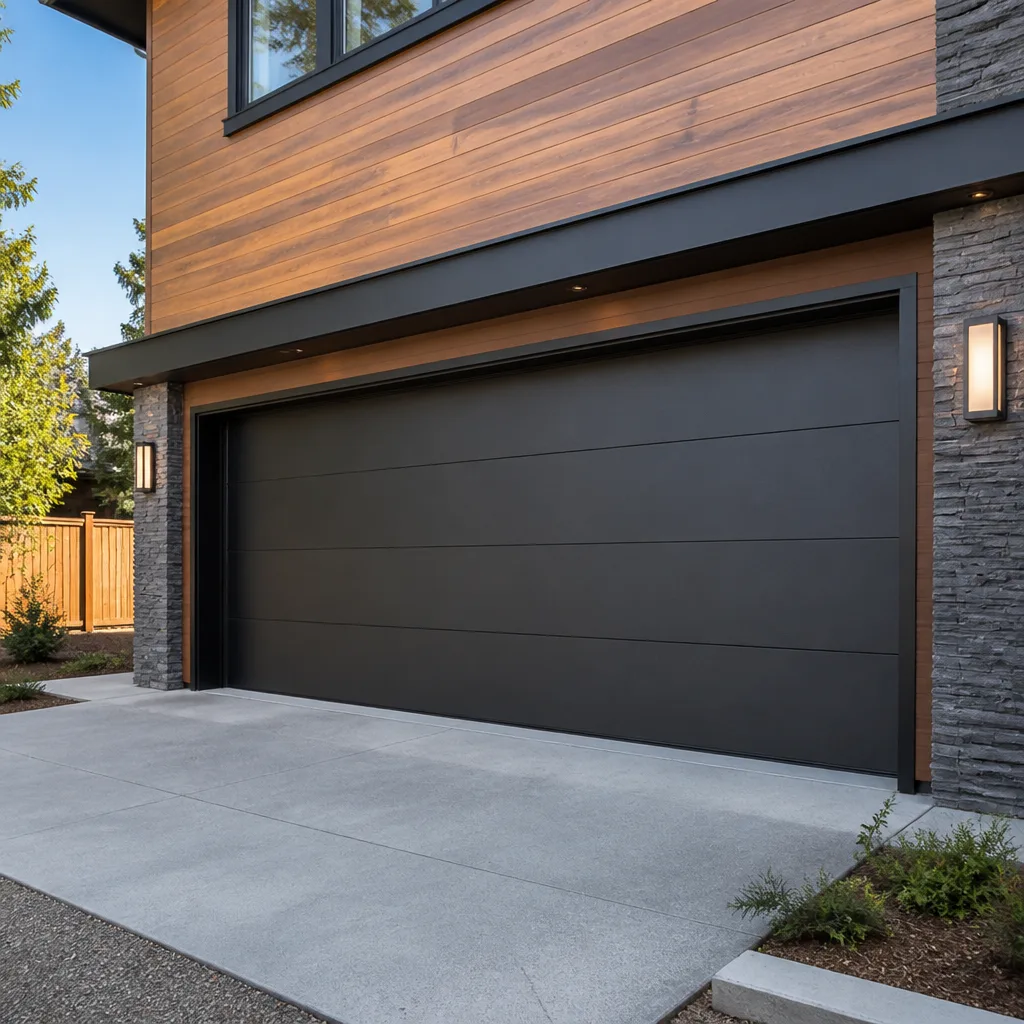 Modern flush
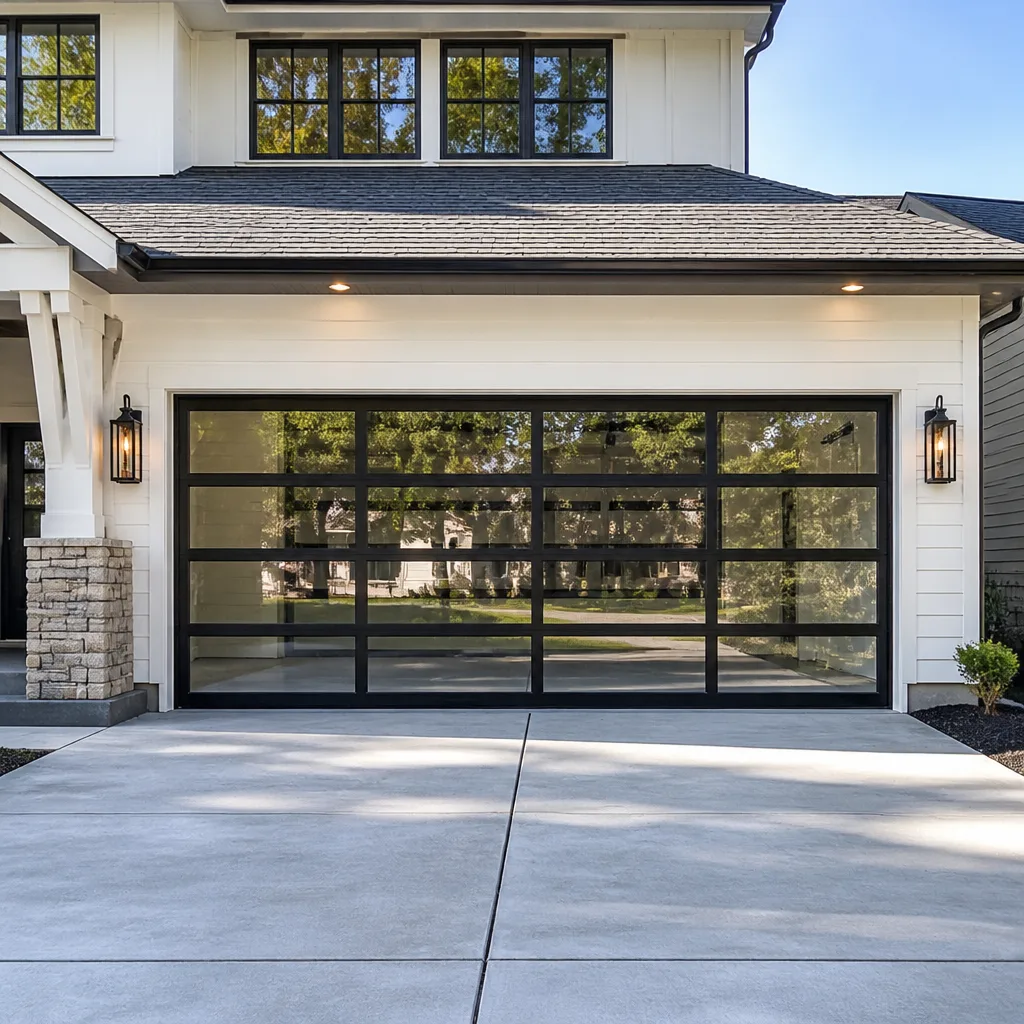 Full-view glass
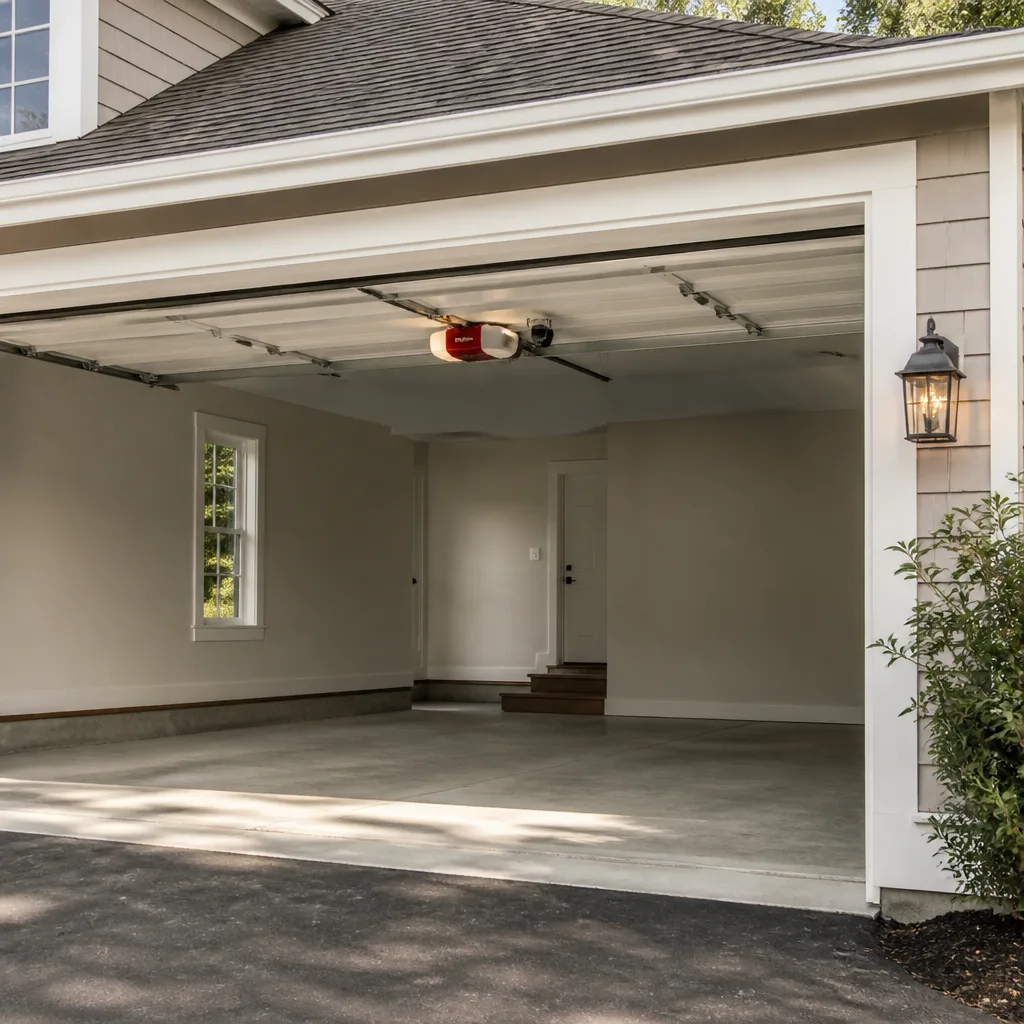 LiftMaster openers
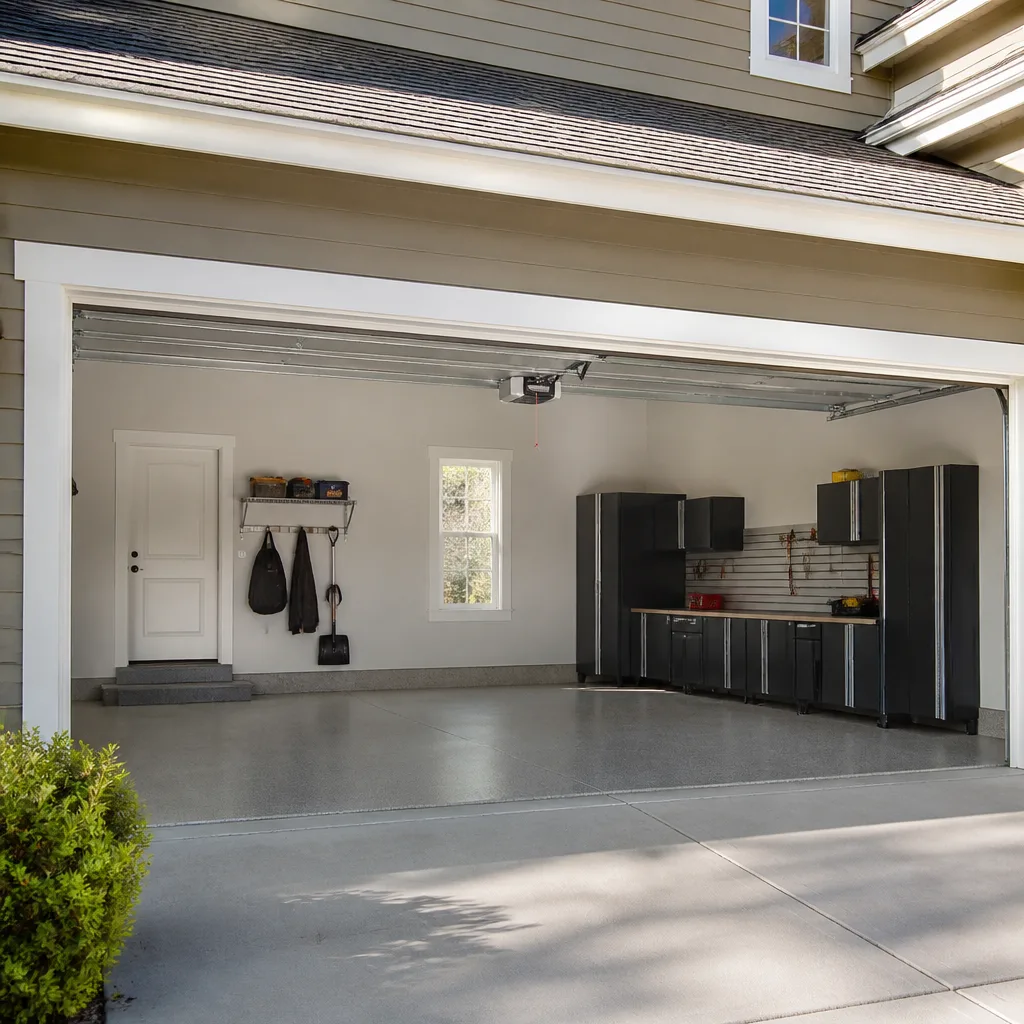 Chamberlain openers
Full 25-point door and opener safety check with every visit - springs, cables, rollers, tracks, and your LiftMaster or Chamberlain opener included
You get a price before we start. It does not change when the pro arrives.
Get your free estimateThe Complete Guide to Garage Doors in Joliet
Most homeowners don’t know what brand of opener they have until it fails at 10 PM on a January night with the car inside. In Joliet, that night comes for nearly everyone eventually. The garage door is the largest moving object on a house, and it’s the one system nobody thinks about until something snaps. What people usually assume is that a garage door is a panel and a motor. It isn’t. It’s a chain of parts that wear against each other, and in this part of Illinois that chain gets worked hard by freeze-thaw cycles, summer humidity, and wind that comes across the prairie with nothing to slow it down. This guide breaks the whole system down component by component so you can describe a problem accurately, read your own door’s data plate, and know what you’re buying before you spend a dollar in Joliet.
Quick Answer
A garage door is a system of four subsystems: the door panels, the springs and cables that counterbalance the weight, the track and rollers that guide it, and the opener that drives it. Understanding which subsystem is failing is the difference between a targeted repair and a replacement you didn’t need. In Joliet, freeze-thaw cycling and seasonal humidity swings wear springs, cables, and seals faster than most national maintenance schedules account for, so component-level knowledge matters more here than a generic guide will tell you.
Styles & brands we work with
- Raised-panel steel
- Carriage house
- Modern flush
- Full-view glass
- LiftMaster openers
- Chamberlain openers
Table of Contents
- How Joliet’s climate cycle wears your door down
- Door types by material and how each handles Midwest wind
- How to read your door’s data plate
- A component-level map of your garage door
- Builder-grade installs in Joliet’s newer subdivisions
- Springs, cables, and the parts you should never touch
- Opener platforms and what repair actually looks like
- A seasonal maintenance routine for Joliet homes
How Joliet’s climate cycle wears your door down
Joliet sits in a climate pattern that punishes garage doors in a specific way: repeated freezing and thawing through the winter, followed by humid summers that swell wood and stress metal. That’s not a marketing line. It’s the reason a torsion spring that would coast for years in a mild climate can fatigue faster here. Steel expands and contracts with every temperature swing, and those daily cycles work on every fastener, hinge, and roller in the system.
Here’s what we see break down fastest in the Joliet area:
- Torsion and extension springs take the brunt. They’re under constant tension, and cold makes steel more brittle. A spring that’s near the end of its cycle life is far more likely to snap during a January cold snap than in July.
- Bottom weather seals crack and harden when they freeze and thaw repeatedly. A failed seal lets in meltwater, which then refreezes and can bind the door to the floor.
- Cables and pulleys corrode and fray from moisture cycling. Cables look fine until they don’t, which is why we inspect them on every visit.
- Wood doors swell in summer humidity and shrink in winter dry air, which loosens joints and can throw a panel out of square.
- Track alignment drifts as the slab and framing move seasonally. A door that rubbed in February may run clean by April, which is why we check the whole travel path, not just the symptom.
The point isn’t that Joliet is uniquely brutal. It’s that the maintenance schedule you read on a national website was probably written for a milder average. Here, springs and seals age on a compressed timeline, and knowing that helps you plan instead of react.
Door types by material and how each handles Midwest wind
Wind load is the underrated factor in door choice around Joliet. Open prairie to the west and south means gusts hit doors broadside with real force, and a lightweight door with thin gauge steel or inadequate bracing will flex, rattle, and eventually fatigue its hardware. The material you pick changes how the door performs against that load, and how it behaves through the freeze-thaw cycle.
Steel
Steel is the most common choice in Joliet for good reason: it’s strong for its weight, holds up to temperature swings, and modern insulated steel doors use polyurethane or polystyrene cores that resist warping. Thicker gauge steel and proper strut bracing make the difference in wind performance. Manufacturers like Amarr build insulated steel lines that hold up well in this climate.
Aluminum
Aluminum won’t rust, which matters in humid summers, but it dents more easily than steel and can be too light for exposed, windy sites unless it’s a full-view design with substantial framing. Good for modern looks, less forgiving under wind load.
Wood
Wood looks great and insulates well, but in Joliet’s humidity swings it needs consistent sealing and finish work. A neglected wood door will swell, crack, and lose its shape. It’s a commitment, not a low-maintenance option.
Composite and vinyl
These resist moisture and rot, which suits the wet parts of the year. They’re lighter than steel, so wind bracing and hardware quality matter even more.
Whichever material you choose, ask about wind-load reinforcement and how the door is braced. That question separates a door built for Joliet from one built for a calmer market. If you’re weighing a full replacement, our guide to garage door installation walks through what the process involves.
How to read your door’s data plate
Before you call anyone, find your door’s data plate or sticker. It’s usually on the inside of the top or bottom panel, or on the end stile, and it carries the information that turns a vague phone call into a precise one. Reading it takes two minutes and it will save you from being sold something you don’t need.
Here’s what to look for and what each item tells you:
- Manufacturer and model. Brands like Raynor, Wayne Dalton, and Amarr stamp their name and a model number. Knowing the brand means the technician arrives already familiar with how that door is built.
- Serial number. This identifies the specific production run, useful for matching replacement panels and confirming hardware specs.
- Door size and panel configuration. Width, height, and number of sections. Replacement panels must match exactly.
- R-value (insulation rating). If the plate lists it, you know whether your door is insulated and how well. If it doesn’t, the door is likely non-insulated or lightly insulated.
- Spring information. Some plates list spring wire gauge, inside diameter, and length. Those numbers let a technician bring the right spring the first time instead of guessing.
- Wind-load rating. If your door is rated for wind, the plate or accompanying documentation should say so. This matters for insurance and for replacement matching.
Snap a photo of the plate before you call. That single photo tells a technician more than five minutes of description, and it’s the difference between a one-visit fix and a return trip. Our garage door repair page explains what happens once you’ve got that information in hand.
A component-level map of your garage door
Most homeowners get upsold because they can’t name the part that’s failing. If you can say “the door binds on the left side about halfway up” instead of “it’s making a noise,” you’ve already narrowed the problem. Here’s the map, top to bottom.
The counterbalance system
- Torsion springs mount on a shaft above the door and do the heavy lifting of counterbalancing the door’s weight. They’re the most safety-critical part of the system.
- Extension springs run along the horizontal tracks on older or lighter doors. They stretch rather than twist.
- Cables connect the springs to the bottom corners of the door. They’re under extreme tension at all times.
- Drum and shaft wind the cables on torsion setups.
The door itself
- Panels and sections make up the door face. Damage here is usually cosmetic or impact-related.
- Hinges connect sections and allow the door to fold as it travels.
- Rollers ride in the track. Worn rollers cause noise, binding, and premature wear on everything else.
- Bottom seal keeps weather and pests out and cushions the door’s close.
The guide system
- Vertical and horizontal tracks guide the door’s path. Bent track throws everything else out of alignment.
- Brackets and fasteners hold the whole assembly to the framing. Loose brackets are a common source of rattling and misalignment.
The opener and drive
- Motor and logic board run the door and handle safety reversals.
- Drive system is a belt, chain, or screw that pushes and pulls the door.
- Safety sensors at the floor stop the door if something crosses the beam.
When you can point to the part, you can ask specific questions. That’s how you avoid paying for a whole new opener when the problem was a stripped gear, or replacing the door when a spring was the issue.
Builder-grade installs in Joliet’s newer subdivisions
Newer Joliet subdivisions on the edges of the city often went up with builder-grade doors and openers chosen for cost, not longevity. The panels are usually non-insulated or lightly insulated steel, the springs are sized to the minimum, and the opener is a base-model chain drive from one of the big platforms. It all works fine on day one. The question is how it performs after a few winters.
What we typically see in these homes:
- Openers that lack modern safety features or run on older technology, so a failure means replacing rather than repairing.
- Non-insulated doors that transmit cold into the garage and make the space unusable in deep winter. Upgrading to an insulated door changes how the whole room feels.
- Undersized springs that hit their cycle limit faster than a homeowner expects.
- Thin weather seals that fail early and let moisture in around the door’s edges.
None of this is a reason to panic. It’s a reason to plan. If you’re in a subdivision built within the last several years and your door is starting to sound different, rattle more, or struggle in cold weather, you’re likely looking at one of these builder-grade components reaching the end of its useful life. Our garage door opener repair service covers every major opener platform, and if an upgrade makes more sense than a repair, we’ll tell you that plainly.
Springs, cables, and the parts you should never touch
We want to be direct here: torsion springs and the cables attached to them are the most dangerous components in a garage door system. They store enormous energy, and when one lets go it does so instantly and without warning. This guide tells you how to identify a problem, not how to fix it. Spring and cable work belongs to someone who does it every day.
Signs it’s time to stop and call:
- A loud bang from the garage followed by a door that won’t open.
- A visible gap in the spring coil, or a spring that’s clearly broken in two.
- A door that feels extremely heavy when you try to lift it by hand (don’t – just note it and call).
- Cables that look frayed, kinked, or off their drums.
- A door that slams down or doesn’t hold its position midway.
Never try to wind, unwind, or adjust a torsion spring with hand tools. The energy stored in a wound spring can cause severe injury in an instant. If you suspect a spring is failing, leave the door closed and call a trained technician. We handle spring work as a dedicated service because it demands exactly that focus. Our main Joliet Garage Door Repair Pros page covers the full range of what we do, including emergency service when the door won’t move at all.
Opener platforms and what repair actually looks like
Openers aren’t interchangeable, and a technician who only knows one brand will push you toward replacement when a repair would do. The dominant platforms in Joliet homes are LiftMaster, Chamberlain, Genie, and Craftsman, and each has its own failure patterns. Knowing the brand changes the diagnosis.
What repair usually involves
- Diagnose the symptom. A door that won’t respond could be a dead motor, a failed logic board, a misaligned safety sensor, or a stripped gear. The symptoms overlap, so testing matters.
- Check the safety reverse system. Modern openers must reverse when they meet an obstruction. If that system has failed, the opener needs attention regardless of whether the door moves.
- Match the part to the platform. A gear kit for a LiftMaster isn’t the same as one for a Genie. Knowing the platform means the right part on the first visit.
- Test the full cycle. Up and down, with the safety sensors checked and the force settings verified.
Chain drives are common but noisy. Belt drives run quieter. Screw drives are strong but need lubrication. Jackshaft openers suit high-lift and torsion setups. If your opener is old enough that parts are scarce, we’ll say so and lay out the options rather than patching it indefinitely. When the door won’t move, we move fast, and that includes opener failures that strand a car inside.
A seasonal maintenance routine for Joliet homes
A little attention twice a year goes a long way in this climate. Here’s a routine built around Joliet’s seasons rather than a generic calendar.
Before winter
- Lubricate the moving parts. Rollers, hinges, and the spring shaft benefit from a proper garage door lubricant, not WD-40.
- Check the bottom seal. If it’s cracked or hard, replace it before meltwater gets a chance to refreeze under the door.
- Test the safety reverse. Put a small object in the door’s path and confirm it reverses.
- Listen for changes. New grinding, squealing, or popping sounds are early warnings.
Before summer
- Inspect the track. Look for bends or debris that could cause binding.
- Check the cables. Fraying or kinks mean a call, not a DIY fix.
- Tighten visible fasteners. Loose brackets rattle and wear the framing.
- Look at the springs. Rust, gaps, or visible wear are worth a professional look.
If you’d rather have a trained eye go over the whole system, we’re happy to do it. A maintenance visit catches the small stuff before it becomes a spring replacement in the middle of a cold snap.
Common Mistakes to Avoid
- Replacing the door when the spring is the problem. A door that won’t lift is usually a counterbalance failure, not a panel failure. Diagnose before you spend.
- Assuming a national maintenance schedule fits Joliet. Springs and seals age faster here because of the freeze-thaw cycle. Plan for inspections more often than a generic guide suggests.
- Letting a general handyman touch the springs. This is the most dangerous part of the system. Spring work belongs to a technician who does it daily.
- Ignoring the data plate. Without the model and spring specs, you’re guessing at replacement parts. Find the plate before you call.
- Buying a door for looks alone. Wind load and insulation matter in this climate. A door that looks great but isn’t braced will rattle and wear out early.
- Skipping the safety reverse test. It’s a two-minute check that protects everyone in the house, and it fails quietly.
- Overlooking builder-grade components in newer homes. A door installed during construction may need an upgrade sooner than you’d expect. Don’t assume new means durable.
See the difference
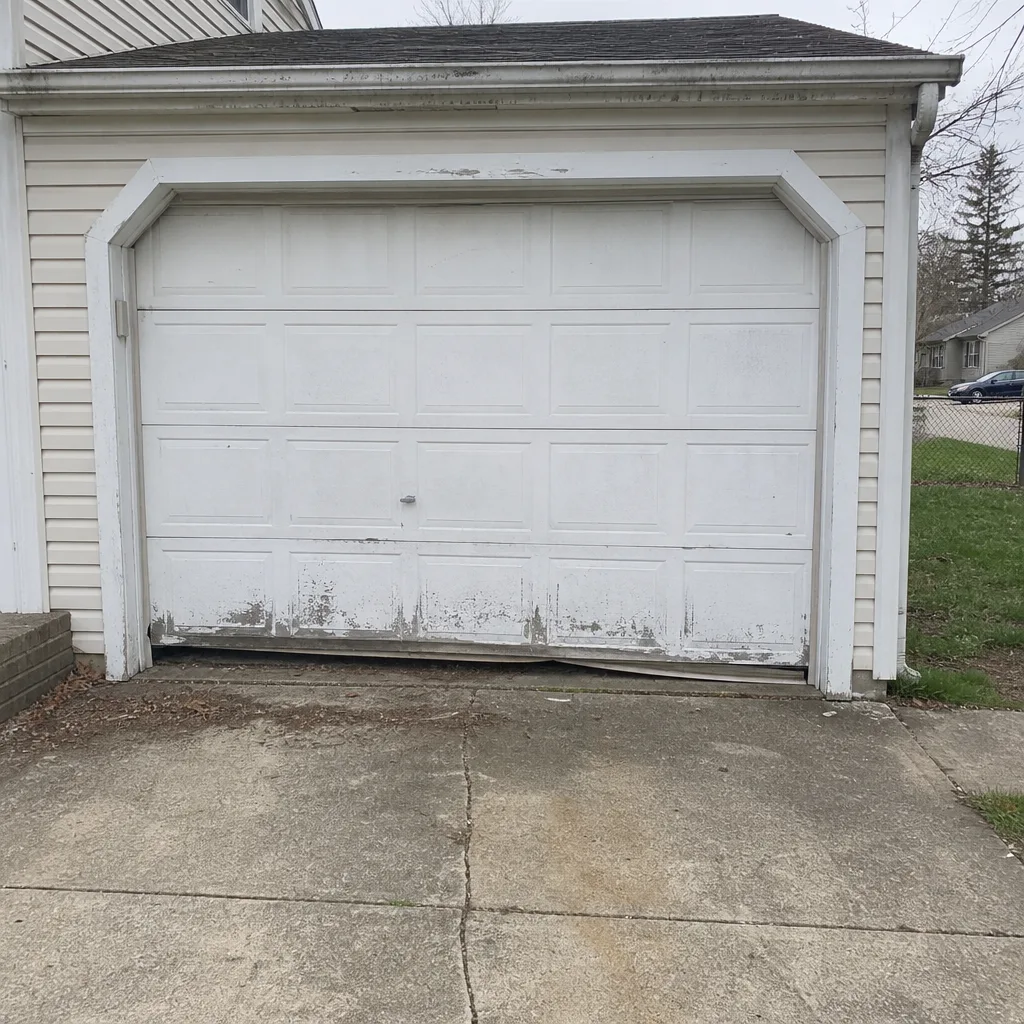 Before
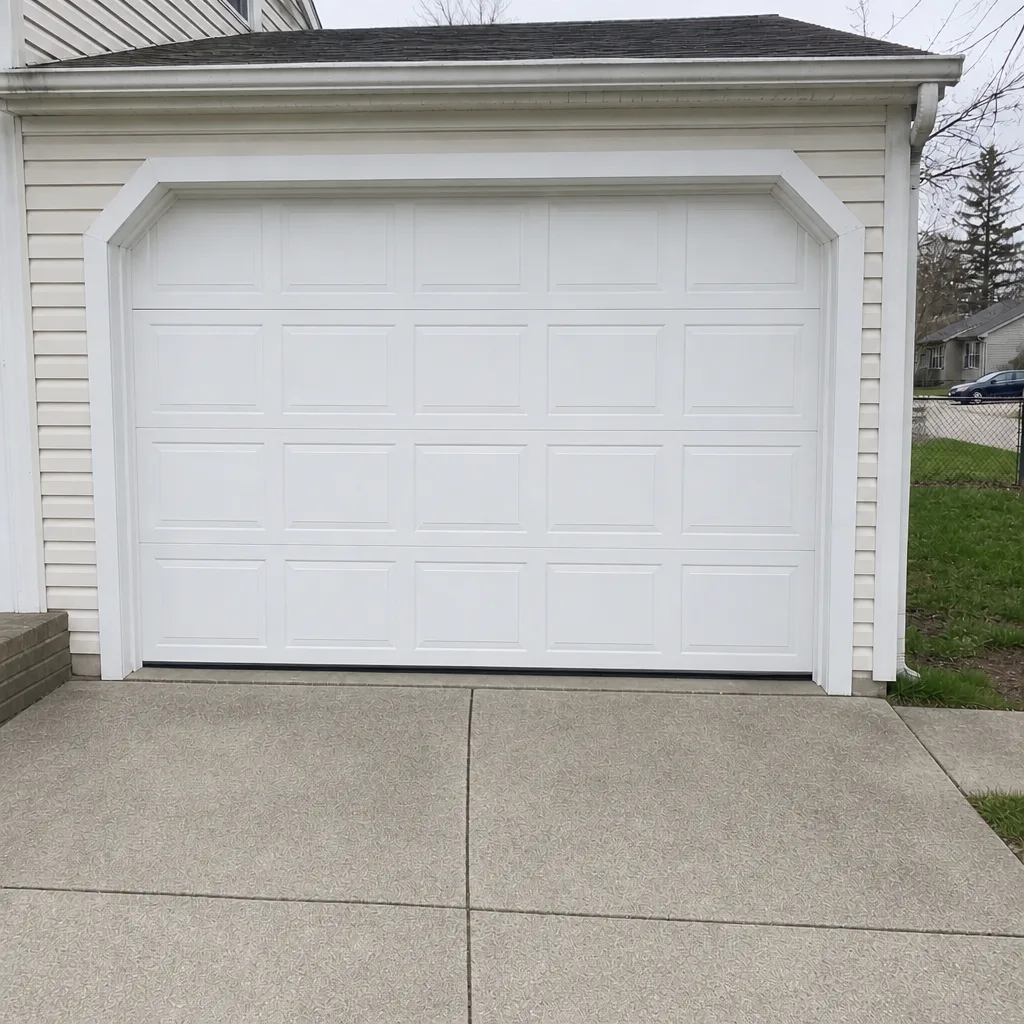 After
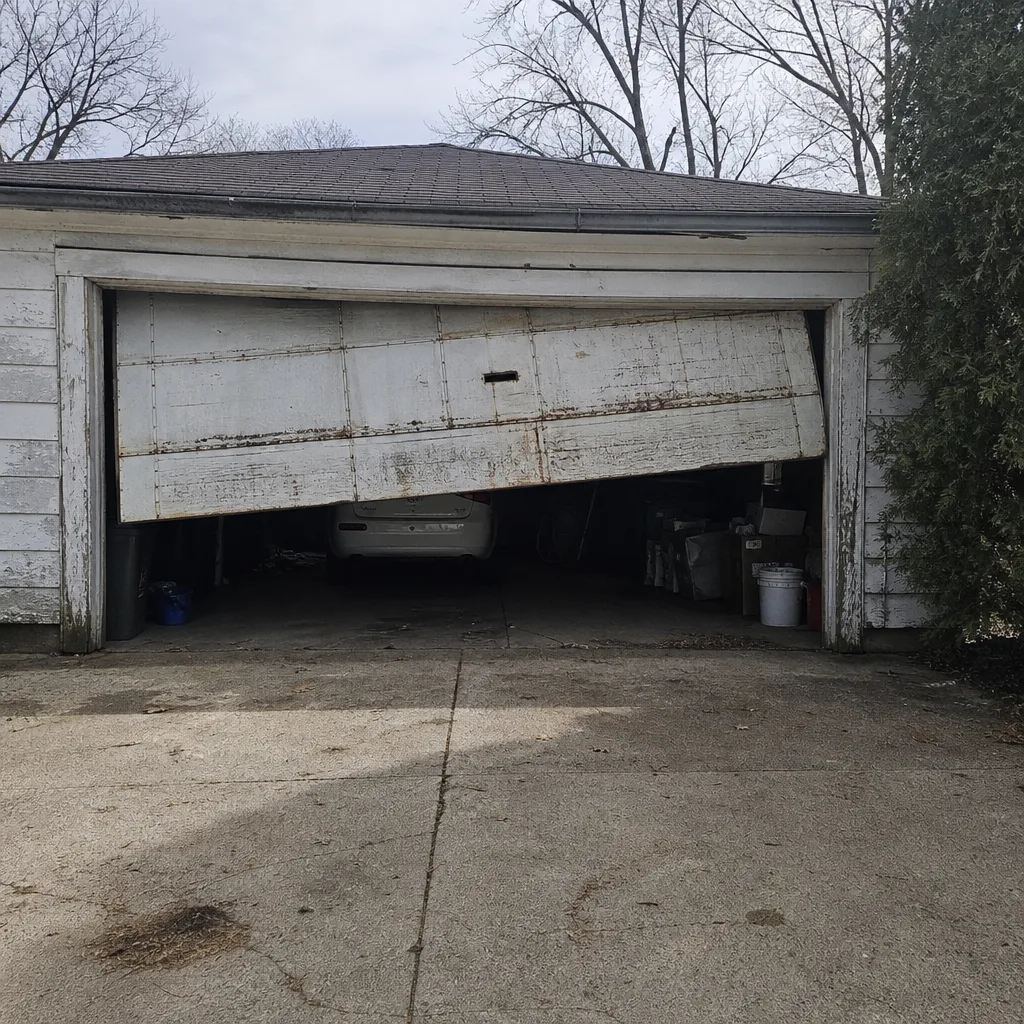 Before
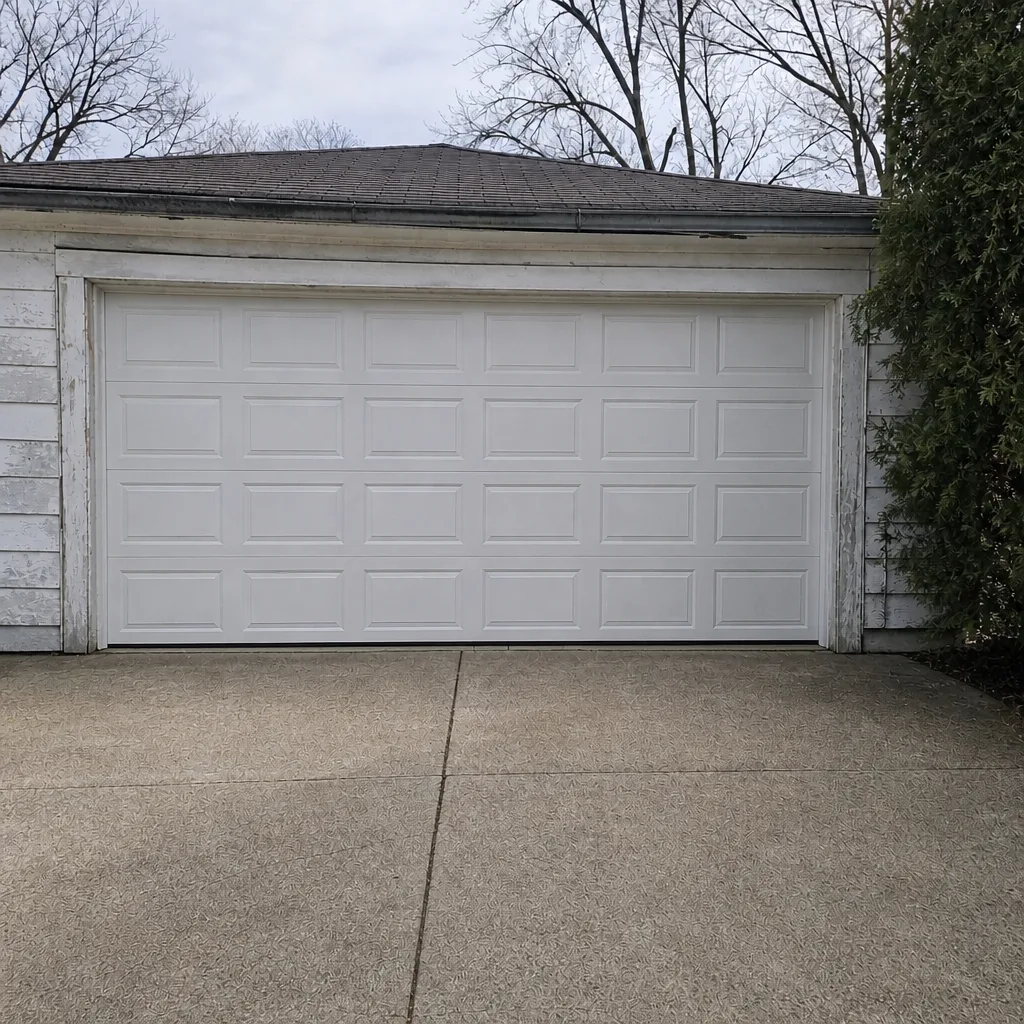 After
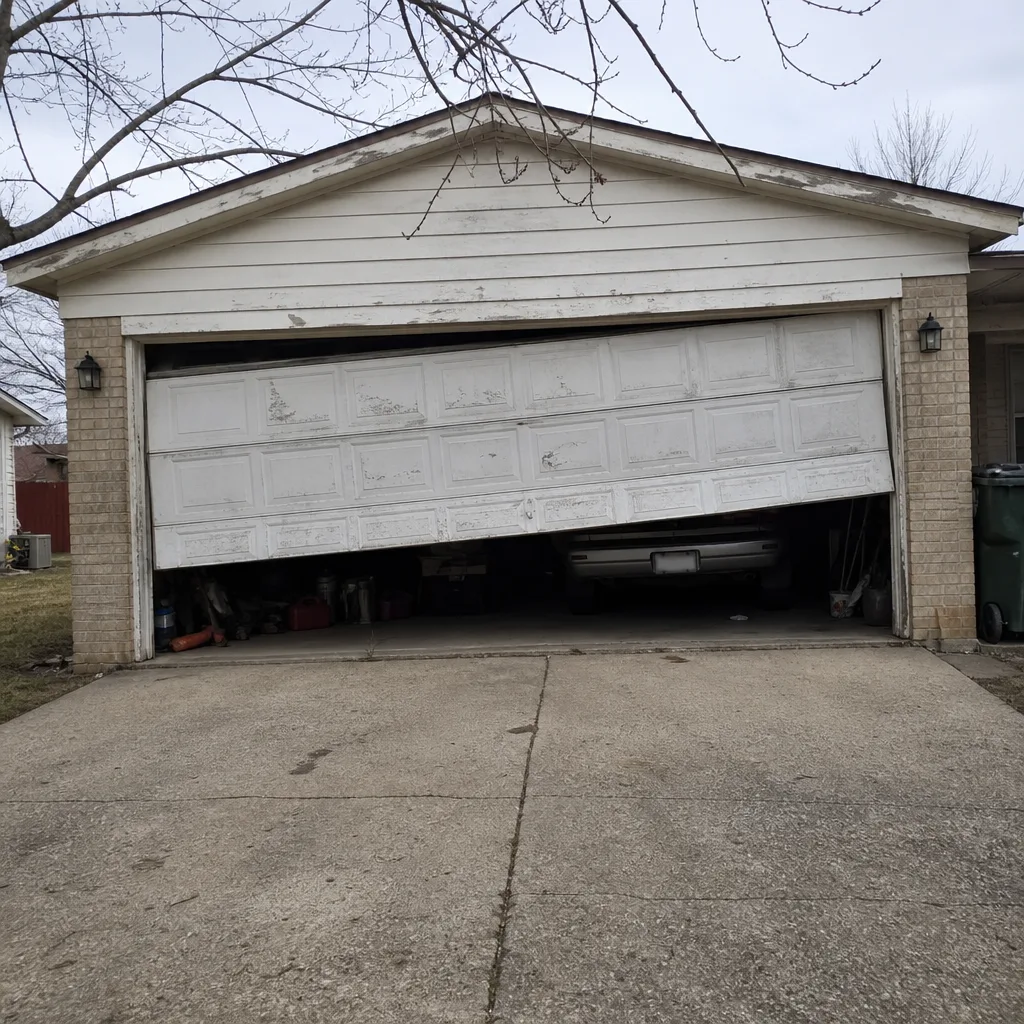 Before
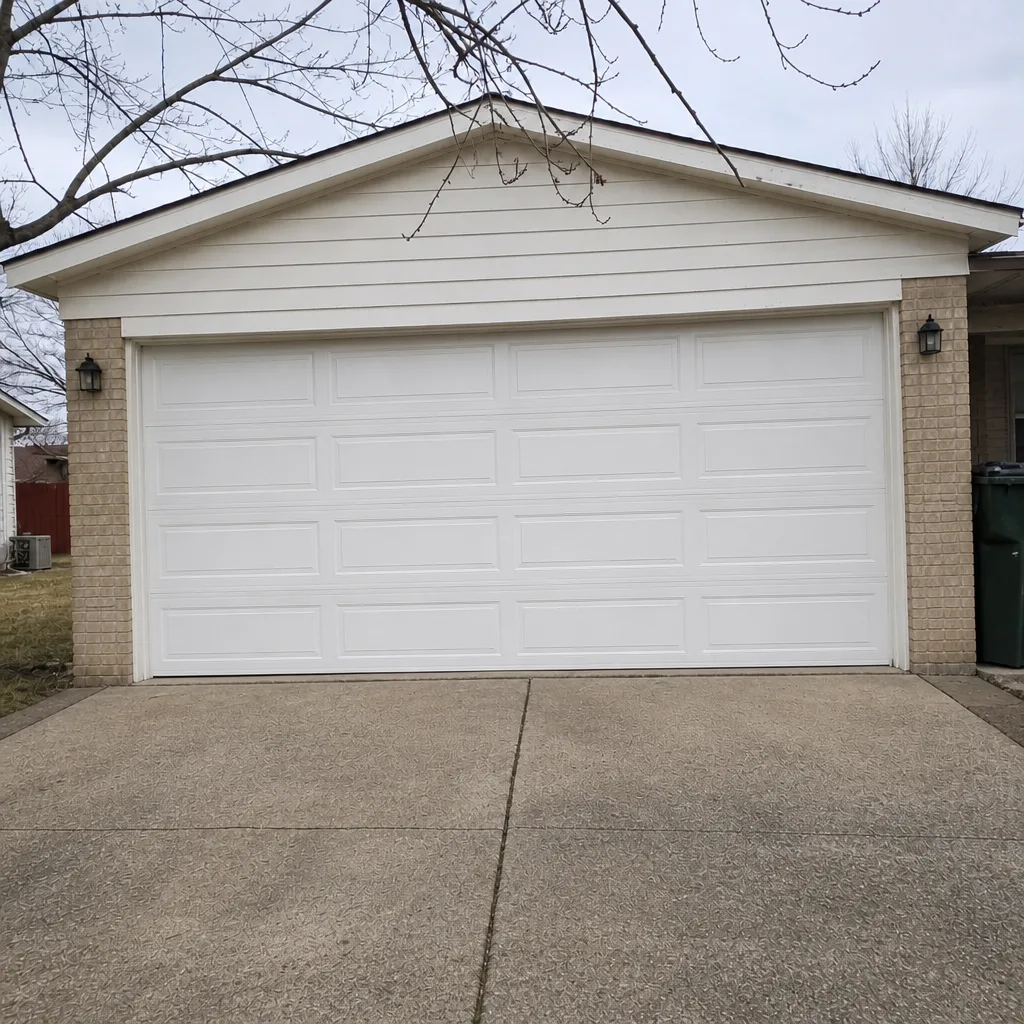 After
When to Call a Professional
Call a professional when the door won’t move, when you hear a loud bang from the garage, when a cable looks frayed, or when the door won’t hold its position halfway up. Call when the opener reverses for no reason or refuses to reverse when it should. Call when the door binds, jumps the track, or slams. And call when the springs are visibly broken or the door feels impossibly heavy. These are the situations where an experienced technician saves you time and keeps you safe. Joliet Garage Door Repair Pros offers free estimates in Joliet – call (844) 701-0946, and we’ll get a trained technician out to look at the whole system, not just the symptom. Our technicians have up to 11 years of experience across every major door and opener brand.
Frequently Asked Questions
A broken spring usually announces itself with a loud bang, and afterward the door won’t lift or feels extremely heavy. Look for a visible gap in the coil. Don’t try to lift the door to test it – leave it closed and call a professional, because springs are the most dangerous part of the system.
Often yes, if the door is still in production and the panel matches. That’s why the data plate matters – the model and serial number tell us whether a matching section is available. Bring that info to your call and you’ll get a faster answer.
Check the motor housing for a brand plate or a stamped logo, and look for a model sticker on the back or side. LiftMaster, Chamberlain, Genie, and Craftsman are the most common platforms in Joliet homes, and a photo of the housing usually identifies it. If you can’t find it, a technician can tell from the rail and drive design.
Twice a year is a reasonable baseline, timed before winter and before summer. The freeze-thaw cycle here stresses springs and seals more than in milder climates, so those two checkpoints catch most problems before they turn into a failure.
A worn or cracked bottom seal lets meltwater under the door, which then refreezes and bonds the door to the slab. Replacing the seal and checking the door’s close height usually solves it. If it keeps happening, have the whole travel path checked.
Requirements vary by project and jurisdiction, so check with the City of Joliet’s building department before scheduling a replacement. For a like-for-like swap the rules can differ from a structural change. It’s a quick call and it saves surprises before installation.
The Bottom Line
Your garage door is a system, and treating it like one is the whole point of this guide. The panels, springs, cables, track, and opener all depend on each other, and in Joliet’s climate the wear happens on a compressed schedule. Read your data plate. Learn the parts. Test the safety reverse twice a year. When something goes bang or the door won’t move, leave the springs to a trained technician and call a specialist who knows the brand you already have. That’s how you spend money once instead of twice, and how you keep the car on the right side of the door all winter.
If you’re in Joliet and something needs attention, call Joliet Garage Door Repair Pros at (844) 701-0946 for a free estimate. From spring repair and opener service to a full new door, we handle the whole system in one call.
Written by the team at Joliet Garage Door Repair Pros.