Last updated November 21, 2026
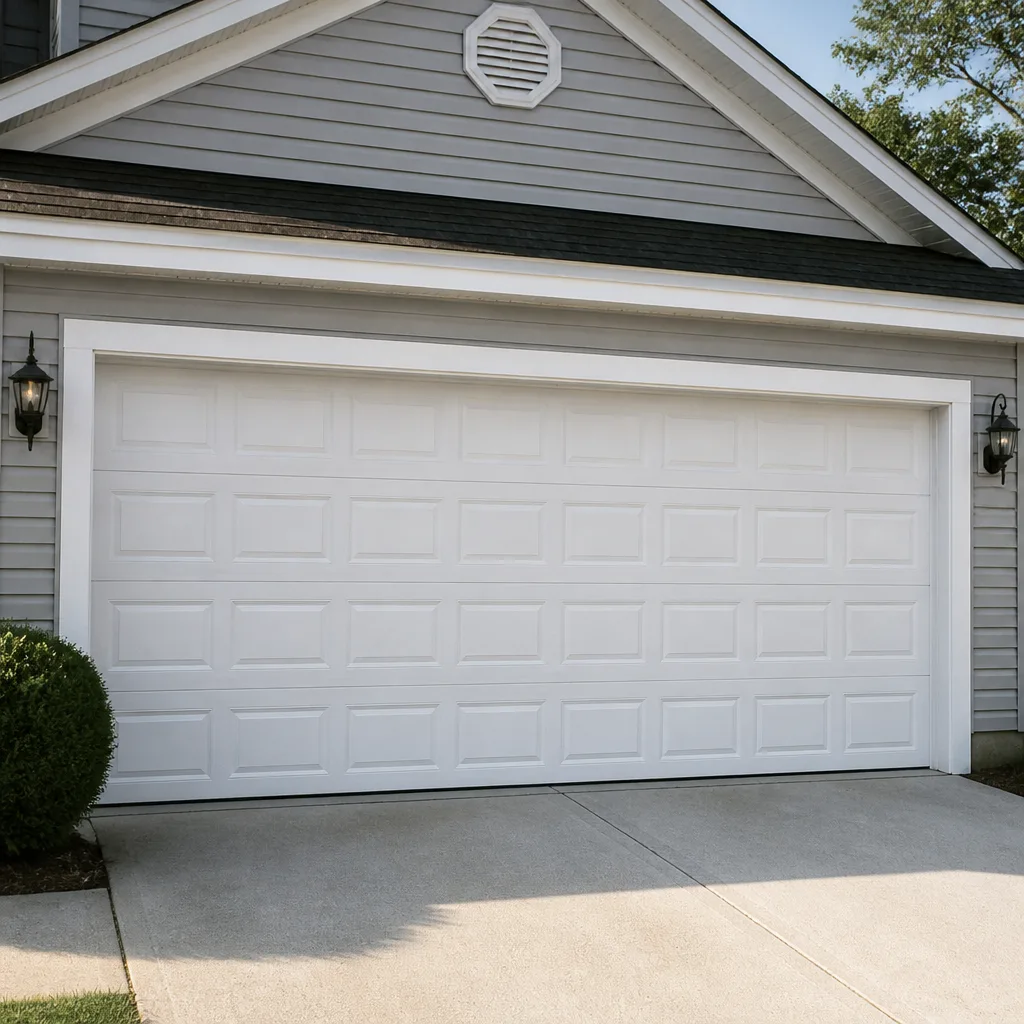 Raised-panel steel
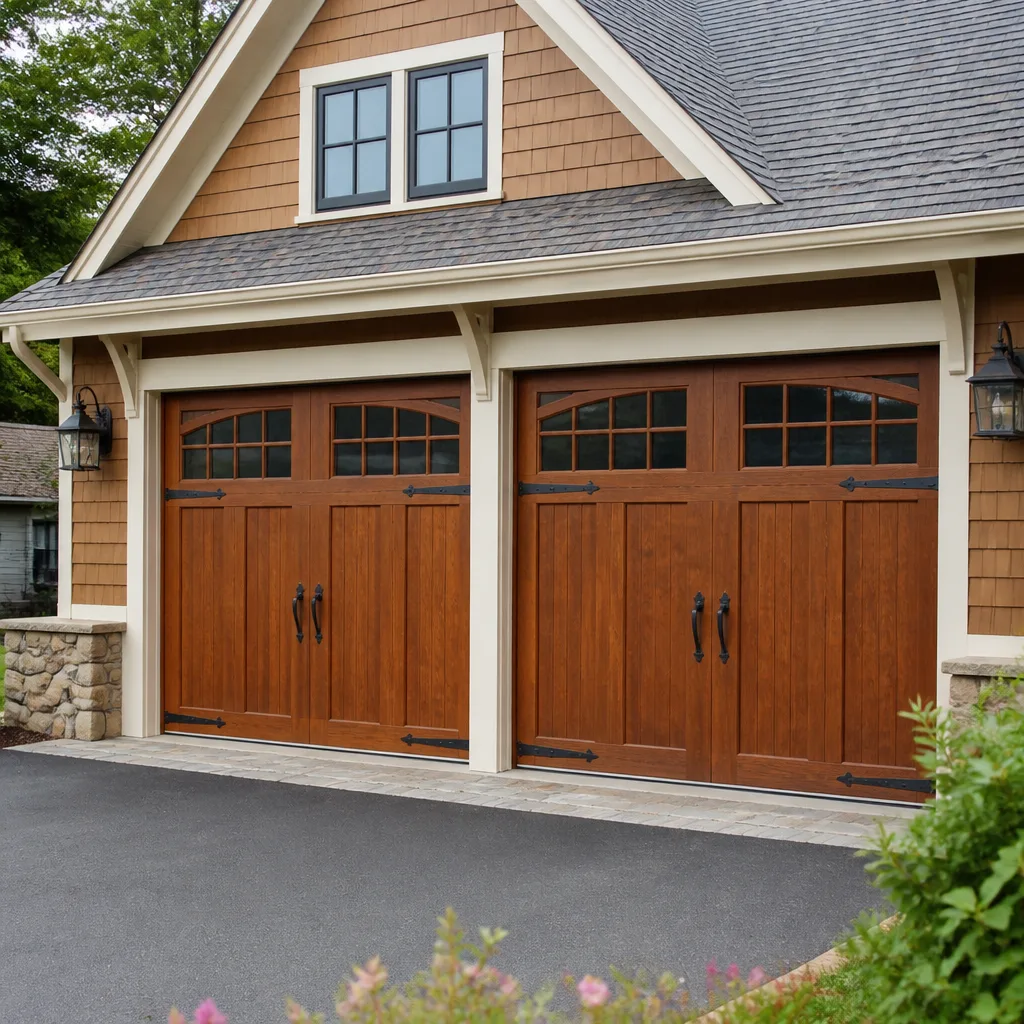 Carriage house
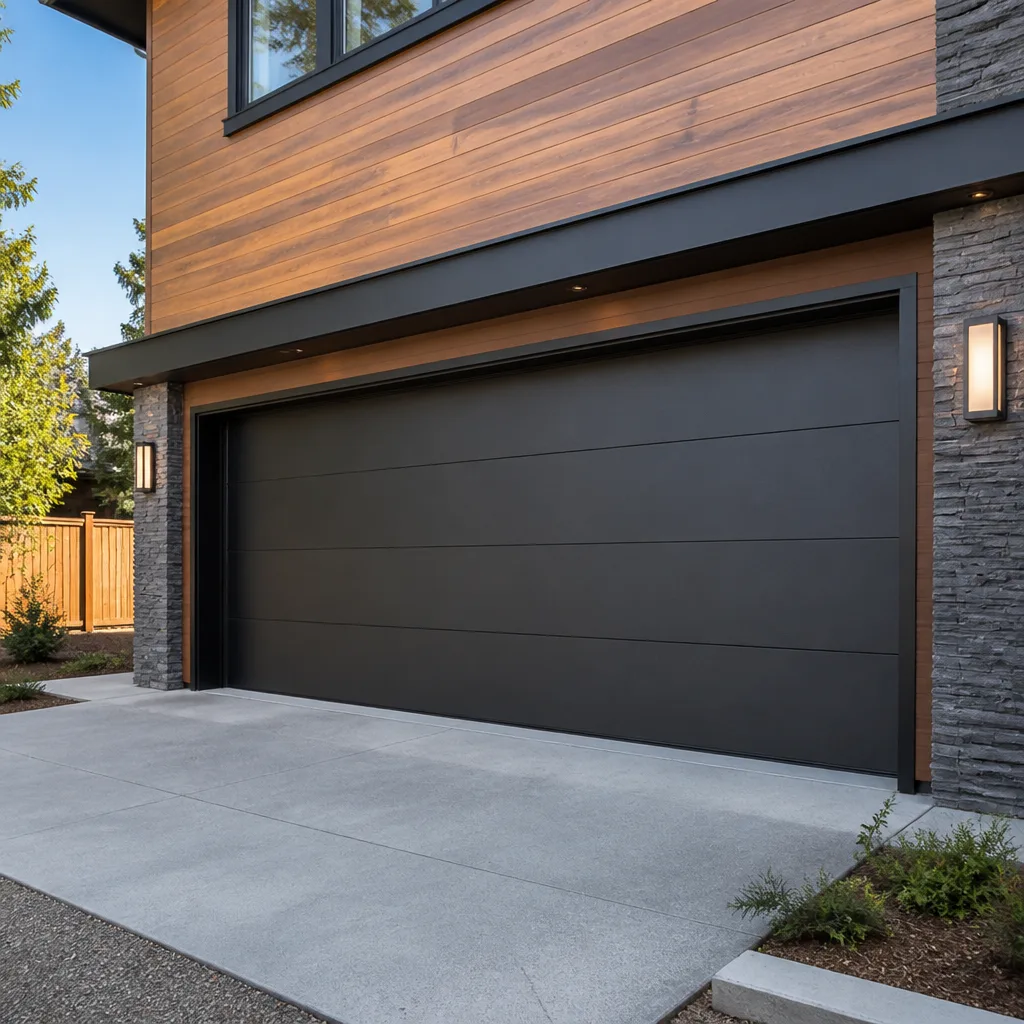 Modern flush
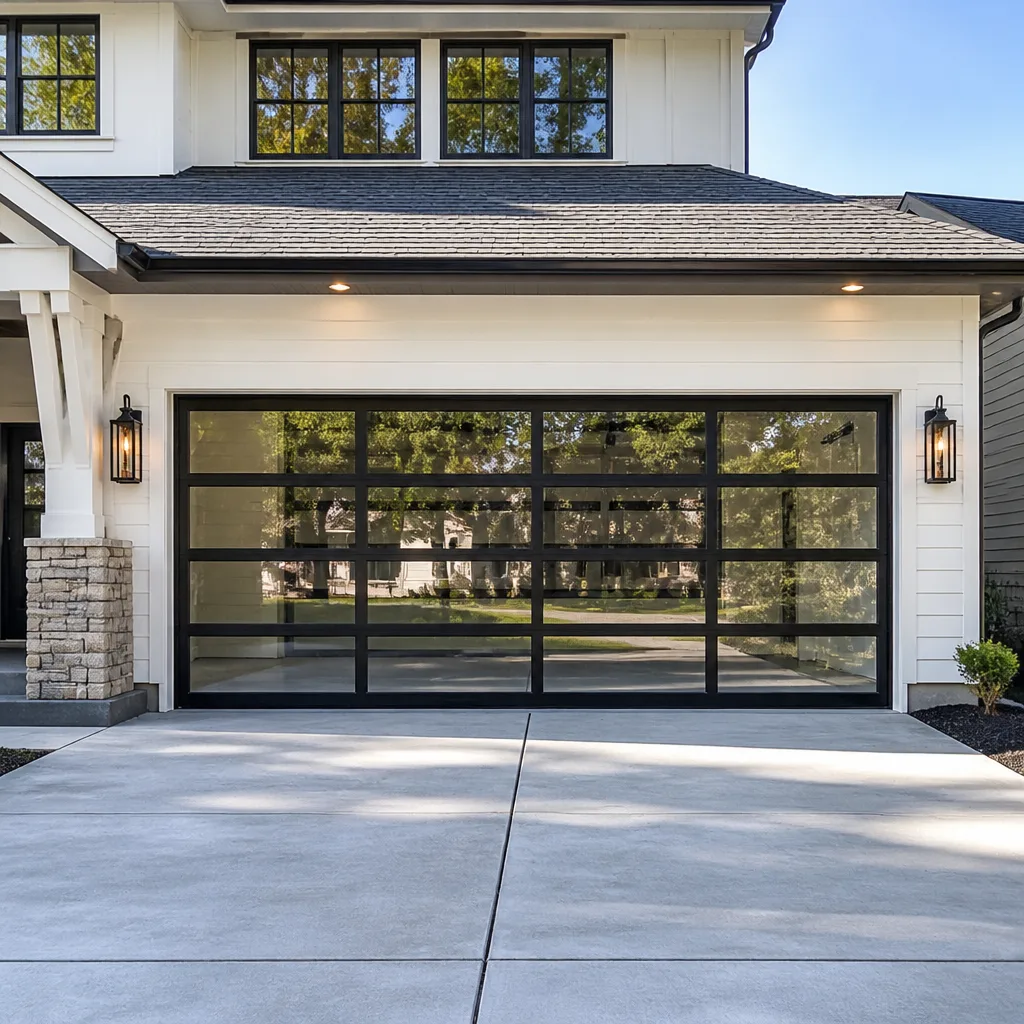 Full-view glass
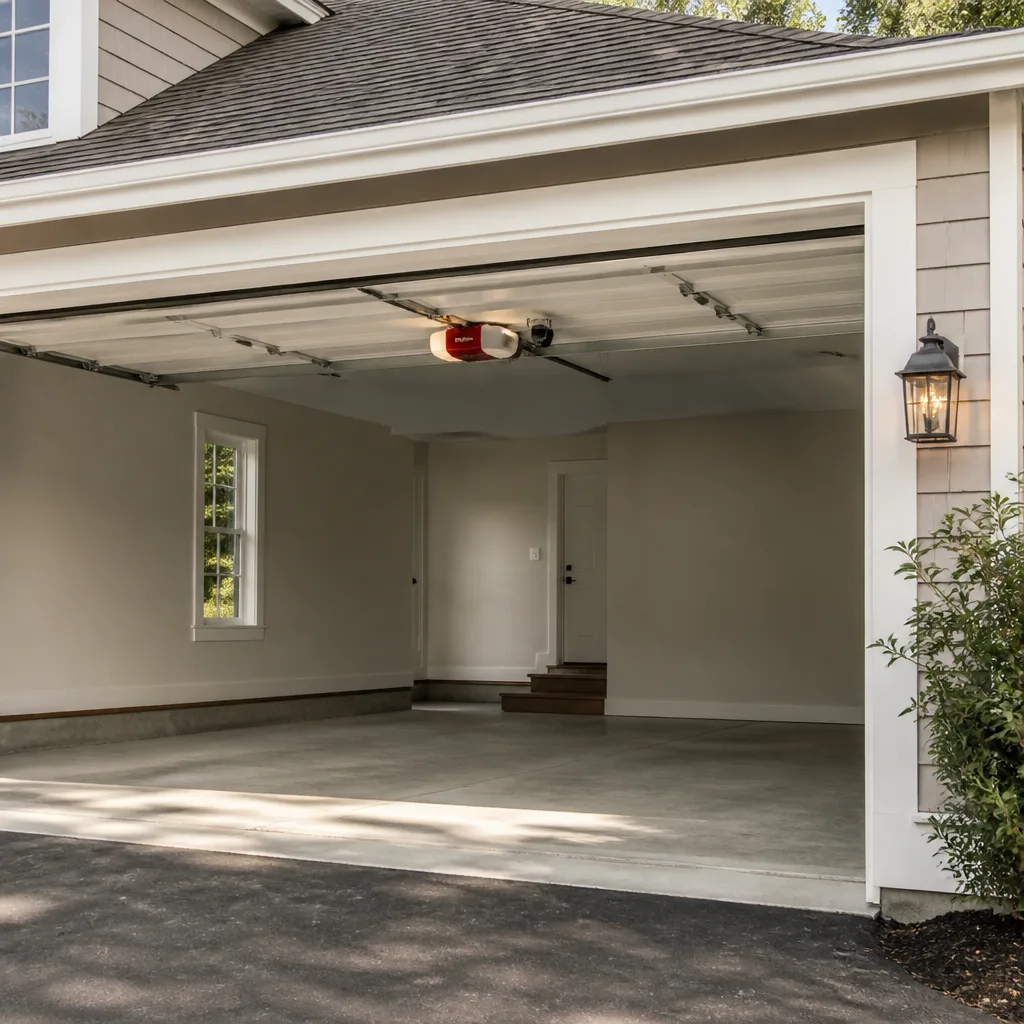 LiftMaster openers
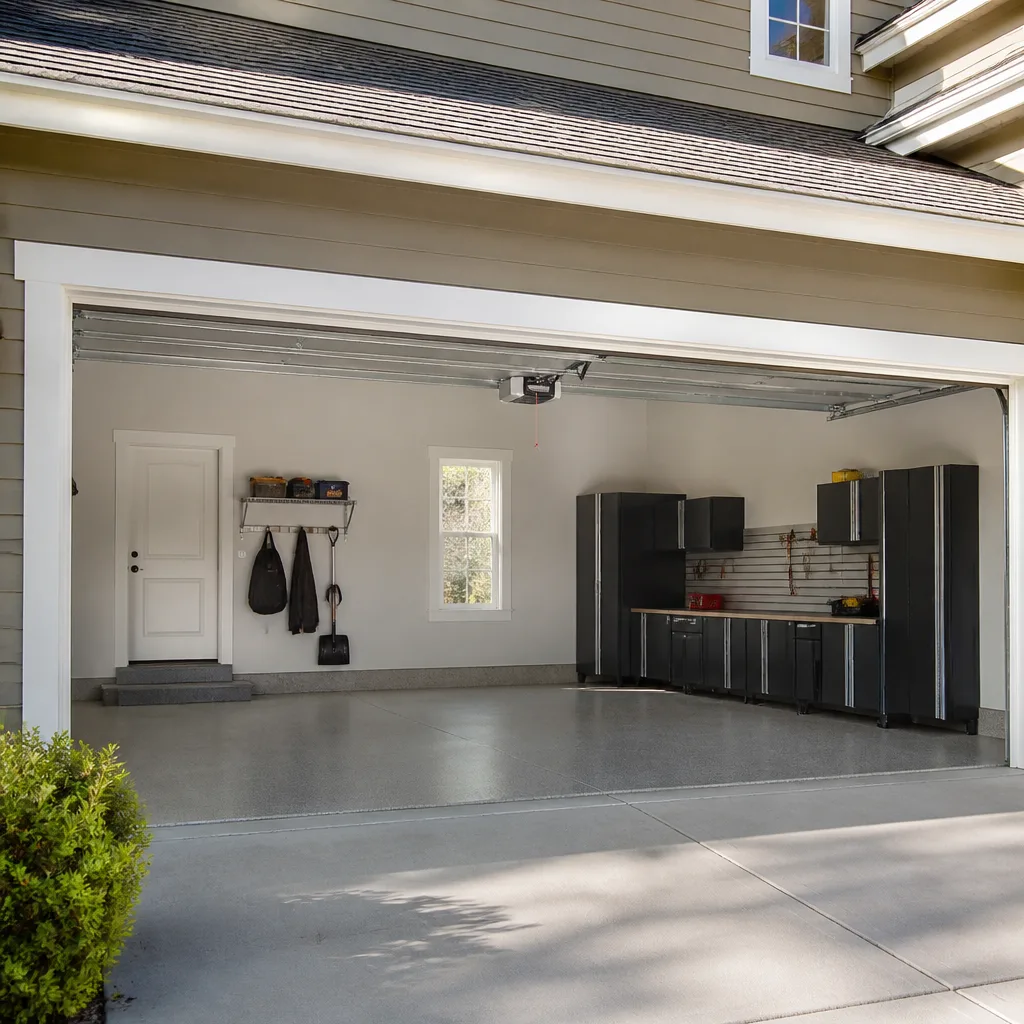 Chamberlain openers
Full 25-point door and opener safety check with every visit - springs, cables, rollers, tracks, and your LiftMaster or Chamberlain opener included
You get a price before we start. It does not change when the pro arrives.
Get your free estimateDIY vs Professional Garage Door: The Joliet Homeowner’s Decision Guide
Most homeowners assume the whole garage door is off-limits for DIY, or that none of it is. Both are wrong. The truth sits in the middle, and where that line falls depends entirely on which part of the system you’re touching. A torsion spring holds enough stored energy to break bones when it lets go – that’s physics, not a liability disclaimer. But swapping a keypad battery, replacing bottom weatherstripping, or oiling rollers is an afternoon project, not a service call. This guide draws the line task by task, with the mechanical reason behind each rating, so you skip the dangerous work and stop overpaying for the easy stuff. We’ll also cover warranty, insurance, and what a botched repair really costs around Joliet.
Quick Answer
Homeowner-safe garage door work covers maintenance and light adjustments: lubricating rollers and hinges, replacing weatherstripping and bottom seals, cleaning and aligning photo-eye sensors, changing remote or keypad batteries, and wiping down panels. Work that requires a technician includes torsion and extension spring replacement, cable and drum work, track realignment, panel replacement, and any opener internal repair. In Joliet, the safe tasks are worth doing yourself, while springs and cables should go to a trained professional every time.
Styles & brands we work with
- Raised-panel steel
- Carriage house
- Modern flush
- Full-view glass
- LiftMaster openers
- Chamberlain openers
Table of Contents
- Why the DIY-versus-pro line is sharper for garage doors than for most home repairs
- Genuinely homeowner-safe tasks (and the mechanical reason each is safe)
- Tasks that need caution: doable but easy to get wrong
- Do-not-attempt tasks: springs, cables, and the physics behind the ban
- Tools for safe DIY maintenance, and which “professional” tools are worth buying
- How DIY repairs affect your manufacturer warranty and homeowner insurance in Illinois
- The real cost of a botched DIY repair in Joliet
- What to tell a technician if you’ve already attempted the repair
Why the DIY-versus-pro line is sharper for garage doors than for most home repairs
A garage door is the largest moving object in most homes, and it’s also the one device that operates while people are standing directly underneath it. That combination is why the repair boundary here isn’t about how handy you are – it’s about energy storage and weight. A standard residential door can weigh well over a hundred pounds, and the counterbalance system holds that weight in tension every hour of the day, whether the door is open or closed.
Most home repair tasks fail gradually. A poorly patched wall looks bad but stays put. A garage door spring or cable fails suddenly, and the failure is violent. That’s the key difference. The consequence of getting a spring or cable job wrong is measured in seconds, not months.
There’s also the Joliet climate to factor in. Our summers swing between humid stretches and dry heat, and our winters deliver hard freeze-thaw cycles. That cycle works on wood jambs, steel panels, and the seals at the bottom of the door. It’s the reason weatherstripping and hardware checks deserve a spot on your seasonal list here – the temperature swings accelerate wear on anything rubber or wooden that meets the ground. Routine maintenance genuinely does extend the life of a Joliet door, and that maintenance is well within reach of an attentive homeowner.
Here’s the practical takeaway. The garage door splits cleanly into two zones: the low-energy, low-weight parts you can service yourself, and the high-energy mechanical system that belongs to a trained technician. Once you know which zone you’re in, the decision is easy. For a broader look at how the trade handles these systems, our Joliet Garage Door Repair Pros team keeps a reference page you can use anytime.
Genuinely homeowner-safe tasks (and the mechanical reason each is safe)
These jobs deal with low-energy components that don’t hold stored force and don’t carry the door’s weight. If something goes wrong, the worst outcome is a minor annoyance, not an injury. That’s the test for “safe.”
Lubricating rollers, hinges, and the torsion bar bearings is the highest-value maintenance you can do yourself. It’s safe because you’re adding a film of lubricant, not releasing tension. A garage door lubricant (not WD-40) applied to the metal-on-metal contact points quiets the door and slows wear. Avoid getting lubricant on the tracks themselves – the rollers need to roll along them, not slide.
Replacing bottom weatherstripping is safe because the seal is held by a channel or a few fasteners and sits at ground level, away from any stored energy. It’s also one of the most useful seasonal jobs in Joliet – a worn bottom seal lets cold air, moisture, and pests in, and the freeze-thaw cycle chews through it faster than most homeowners expect.
- Changing remote and keypad batteries – no moving parts involved, and it’s the first thing to check when a remote stops working.
- Cleaning and aligning photo-eye sensors – the safety sensors near the floor just need a soft cloth and, if misaligned, small physical adjustment until their indicator lights settle.
- Wiping and lightly washing door panels – keeps steel and painted surfaces in good shape, especially after a salty, slushy Joliet winter.
- Tightening visible bolts on hinges and brackets – snugging loose fasteners is safe because it adds no tension; just don’t loosen anything connected to a cable or spring.
- Testing the auto-reverse by hand – the standard safety check, and something every homeowner should know how to do.
Every task here is a good candidate for a yearly or twice-yearly routine. None of them require a service call, and doing them yourself is money kept in your pocket.
Tasks that need caution: doable but easy to get wrong
This middle zone is where confident homeowners either save money or cause a bigger problem. These jobs don’t involve stored spring tension, but they involve alignment, weight, and adjustment you can knock out of whack in a way that’s expensive to fix.
Adjusting the opener’s travel limits and force settings falls here. Doing it correctly means tracking the door’s full open and close and setting the limits so the door stops exactly where it should. Get it wrong and the door crushes the bottom seal or reverses before it closes. A LiftMaster or Chamberlain opener limits its force to protect the door; forcing a door that’s binding is the wrong fix and can damage the opener or the panels. Adjust the limits and test the auto-reverse every time.
Re-aligning a track that’s slightly out of true is another caution task. Loosening track bolts relieves alignment, but if a track has pulled away because of an impact, bend, or a door that’s slammed, the underlying cause is often a bigger problem. This is the kind of issue that’s common after a hard Joliet storm or a bumped door, and it’s usually best to have it looked at rather than chasing it yourself. For a full breakdown of what goes into the job, see our garage door repair page.
Replacing a single door panel on a lighter, non-torsion door can occasionally be a homeowner job on some models. On most modern doors, though, panel removal affects the counterbalance and alignment, and here we recommend a technician. The safe play is to know which door you have before you touch it.
Do-not-attempt tasks: springs, cables, and the physics behind the ban
Never attempt to replace or adjust torsion springs, extension springs, or the cables and drums that connect them to the door. This isn’t a liability hedge – it’s the single most important rule in this guide. A torsion spring must be wound a precise number of times and locked under tension; if it slips, the bar can spin at high speed and the spring can whip out with enough force to cause serious injury. Extension springs carry a similar load and can snap back hard. The winding bars used to adjust a torsion spring are themselves dangerous in untrained hands.
Cables and drums hold the same stored energy. A cable under tension can cut through a hand. If a cable has snapped, don’t try to run the door and don’t try to hand it back into the drum. Keep people and vehicles clear and call for service. For the mechanics of what a proper spring job involves, see our dedicated garage door repair explanation, and let a trained technician handle the counterbalance side of the door.
The same do-not-attempt rule applies to anything electrical past the outlet – especially opener wiring and circuit connections. Most cities require a permit for electrical work, and mixing water, overhead doors, and live wiring is a job for someone qualified. When in doubt, get it checked. For anything involving a dead or misbehaving opener, our guide to garage door opener repair covers the diagnostics.
On a torsion-spring door, there are no safe homeowner shortcuts. The trained-professional rule exists because the stored energy is real and unforgiving, and a spring is not something to learn on.
Tools for safe DIY maintenance, and which “professional” tools are worth buying
You don’t need a truck full of equipment to do the safe work. The homeowner tool kit for garage doors is short, inexpensive, and useful elsewhere. Gather these and you can handle nearly everything in the safe category:
- A socket set and nut drivers for tightening fasteners – most homeowner sets have the right sizes.
- A good flashlight or headlamp for inspecting the underside of the door and the tracks.
- Garage door lubricant spray (a dedicated door lubricant, not general-purpose oil).
- Replacement bottom weatherstripping sized to your door.
- A soft-bristle brush and mild cleaner for panels.
- A stepladder rated for your weight for sensor checks and fastener tightening.
Some “professional” tools are genuinely worth owning. A torque wrench and a stud finder serve you across the house. Good-quality wrenches beat cheap ones every time. But the tools that are truly pro-only are the ones tied to the dangerous jobs – the winding bars for torsion springs, the cable-stretching tools, the heavy spring equipment. Those aren’t for homeowners. If the only tool that solves your problem is a winding bar, that’s the signal to call a technician, not to buy one.
When you need a real fix, know the brand on your door. Our technicians work on the systems that are in most Joliet homes – LiftMaster and Chamberlain openers, Genie and Craftsman platforms, and doors from Clopay among others – so we diagnose by how the system actually works, not by guessing. That brand knowledge is the difference between a quick fix and a return visit. For the full range, see our garage door opener repair page.
How DIY repairs affect your manufacturer warranty and homeowner insurance in Illinois
DIY work on a garage door can put your manufacturer warranty at risk. Most door and opener warranties cover defects in materials and workmanship, not damage caused by improper installation or unauthorized repair. On openers, a common warranty condition is that the system be installed and serviced to the manufacturer’s specifications. If a spring, cable, or opener fails and the failure traces back to a DIY adjustment or a wrong part, the manufacturer can deny the claim. That’s general warranty practice, not a Joliet-specific rule – check the specific warranty terms for the brand you own, whether it’s a Clopay door or a Genie opener.
Homeowner insurance is a separate question and one worth thinking through. Illinois homeowners policies generally respond to sudden and accidental damage, but they typically expect reasonable maintenance and may treat a repair you attempted as a factor in how a related loss is handled. We won’t promise you a specific outcome – policies vary by carrier and by the facts of a loss – so read your own policy or ask your agent before assuming a DIY decision is covered. The safe general rule: professional work on the dangerous components is easier to document and easier to justify to an insurer.
There’s also the code side. Electrical work on an opener circuit, and changes to the structural attachment of the door, may require a permit depending on your local code. Where a permit is required, ask your city’s building department before you start. That’s true in Joliet and in the surrounding towns.
The real cost of a botched DIY repair in Joliet
A botched DIY repair usually costs more than the professional job would have, and the bill rarely shows up all at once. It’s spread across parts, the labor to undo the damage, and sometimes a full panel replacement that a simple repair would have avoided. Here’s where the money actually goes:
- Undo labor – a technician has to diagnose what went wrong and reverse it before the real fix begins.
- Replacement parts – a wrong-order spring, a stripped bracket, or a bent track adds parts on top of the original cost.
- Panel damage – a door that closes unevenly, or a track bent out of true, can scuff or crack a panel that then has to be replaced.
- Opener strain – an opener forced to move a binding door runs hotter and fails sooner, turning a small problem into an opener replacement.
- Warranty risk – parts replaced with the wrong component can void the coverage that would otherwise have paid for the original fix.
The comparison that matters is simple. A professional repair on the dangerous components is a known cost quoted before the job begins. The botched version costs that same amount plus the undo work. That’s the trade you’re making when you try to save money on the high-energy parts of the door.
In Joliet, the freeze-thaw cycle makes the stakes a little higher on the bottom of the door. A misaligned panel or a damaged bottom seal lets in water that refreezes and works at the frame. Fixing that correctly the first time, with the right parts, is cheaper than the slow damage a bad repair causes.
What to tell a technician if you’ve already attempted the repair
If you’ve already tried the repair, say so up front. A technician can only assess the full situation if they know what’s been changed, and the fastest way to a good outcome is a clear, honest handoff. Use this checklist before the tech arrives:
- What you attempted, in plain terms – which component and what you did to it.
- Whether the door still moves, and if so, how it moves (binding, unevenly, or with a noise).
- Where it stopped working or started behaving differently.
- Any parts you replaced and how you sourced them, including the brand.
- Whether the opener’s lights or error signals are behaving unusually.
- Anything you noticed but didn’t change – a bent track, a damaged panel, a loose bracket.
Bring that to the conversation and a good technician can tell you whether the original problem is still the issue or whether the attempted fix is now part of it. This is standard practice on our side: we diagnose the whole system, not just the part you touched. If the door came off the tracks, stop operating it and get it looked at before anything else. Book an inspection through our garage door installation team if you’re weighing a repair against a replacement, and call us if you simply want a clear answer.
Common Mistakes to Avoid
- Winding or loosening a torsion spring without training. This is the single most dangerous DIY mistake on a garage door. The stored energy can cause serious injury in an instant, and no homeowner task is worth that risk.
- Forcing the opener to move a binding door. Crank the force setting up and the opener works harder until it fails. The bind is the problem; the opener is just the messenger.
- Lubricating the tracks. Some homeowners spray the vertical tracks thinking it helps. The rollers need to roll, not slide, so keep lubricant off the tracks and on the rollers and hinges.
- Ignoring a snapped cable. Running the door on a broken cable can drop it or bend a panel. Stop using the door and call for service.
- Buying a replacement spring by eyeball. Springs are matched to door weight and height. The wrong spring overloads the opener and can fail early, so let a technician match it.
- Skipping the winter weatherstripping check. In Joliet, the bottom seal takes a beating from the freeze-thaw cycle. Letting it wear through lets moisture in and sets up bigger problems at the frame.
- Attempting electrical or opener wiring without a permit check. Local code may require a permit for this work, so ask before you open a panel.
See the difference
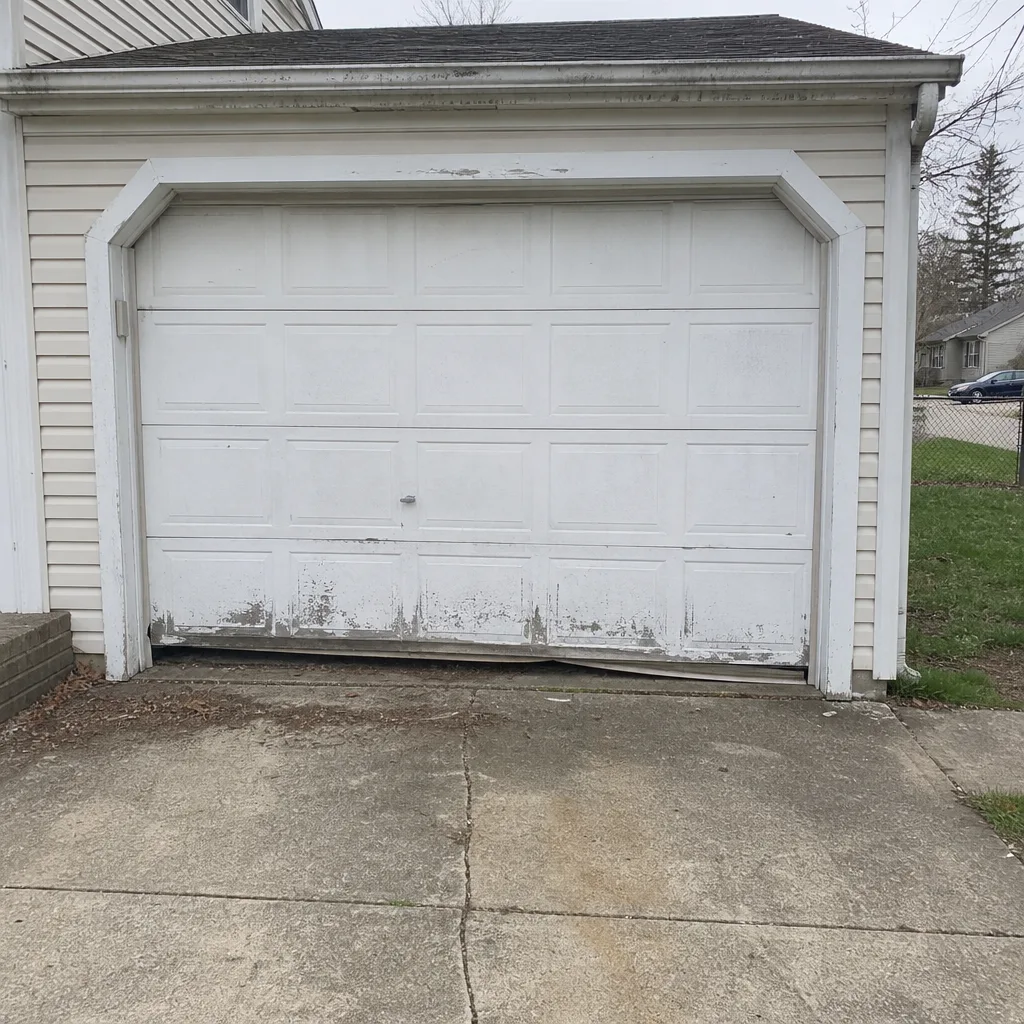 Before
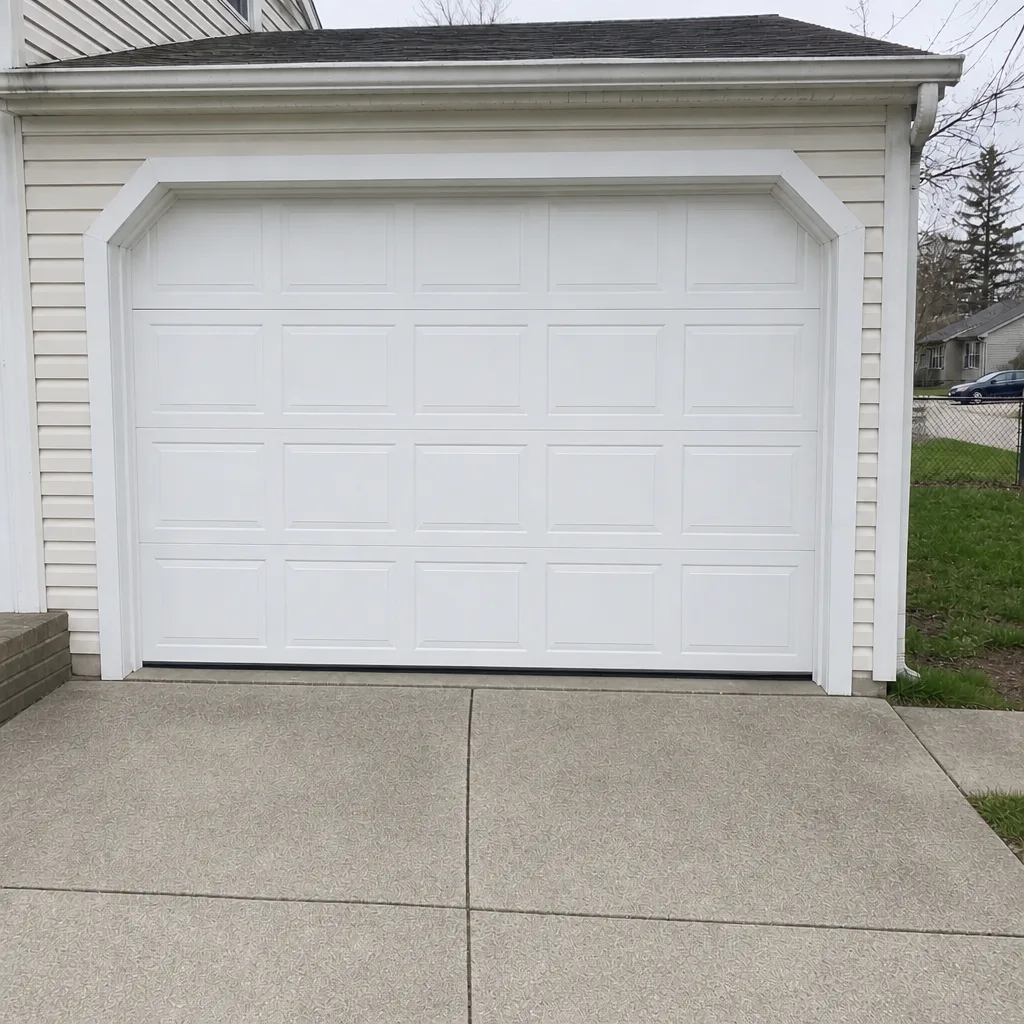 After
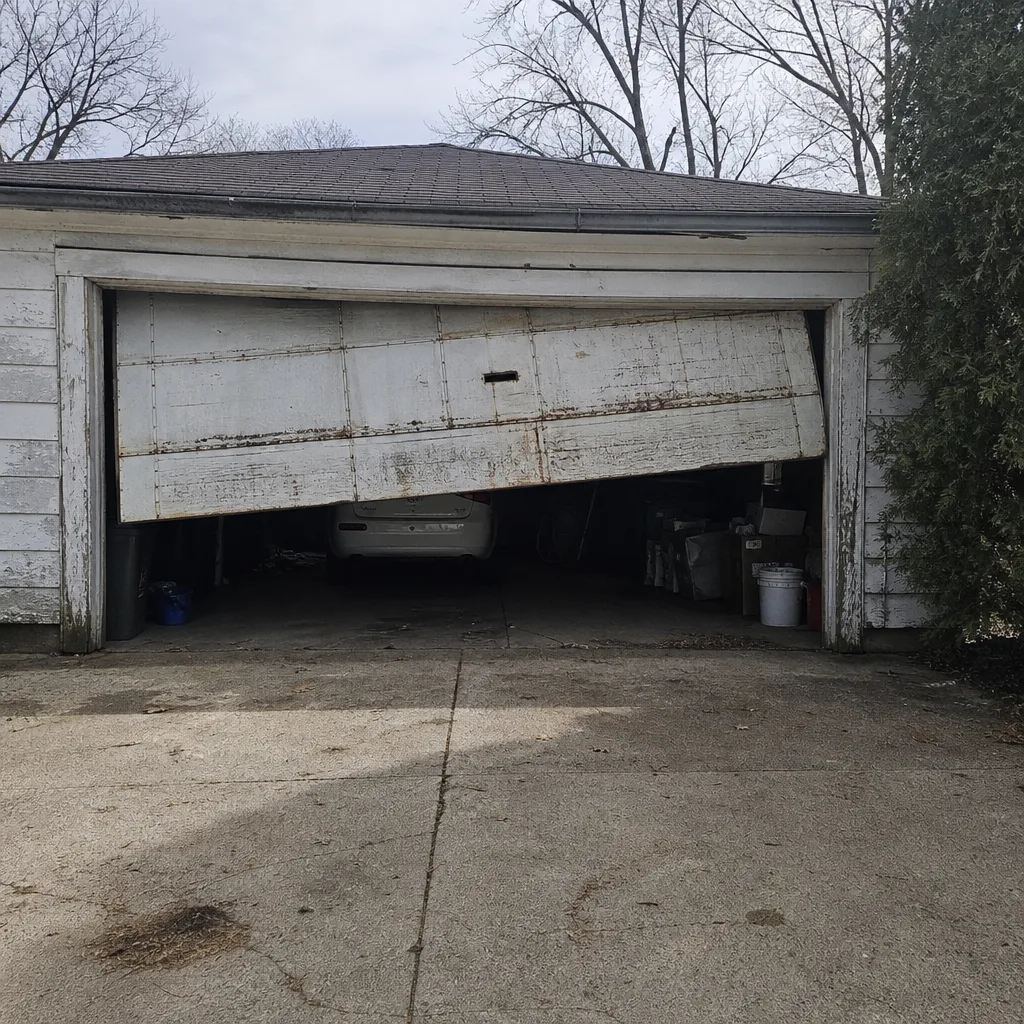 Before
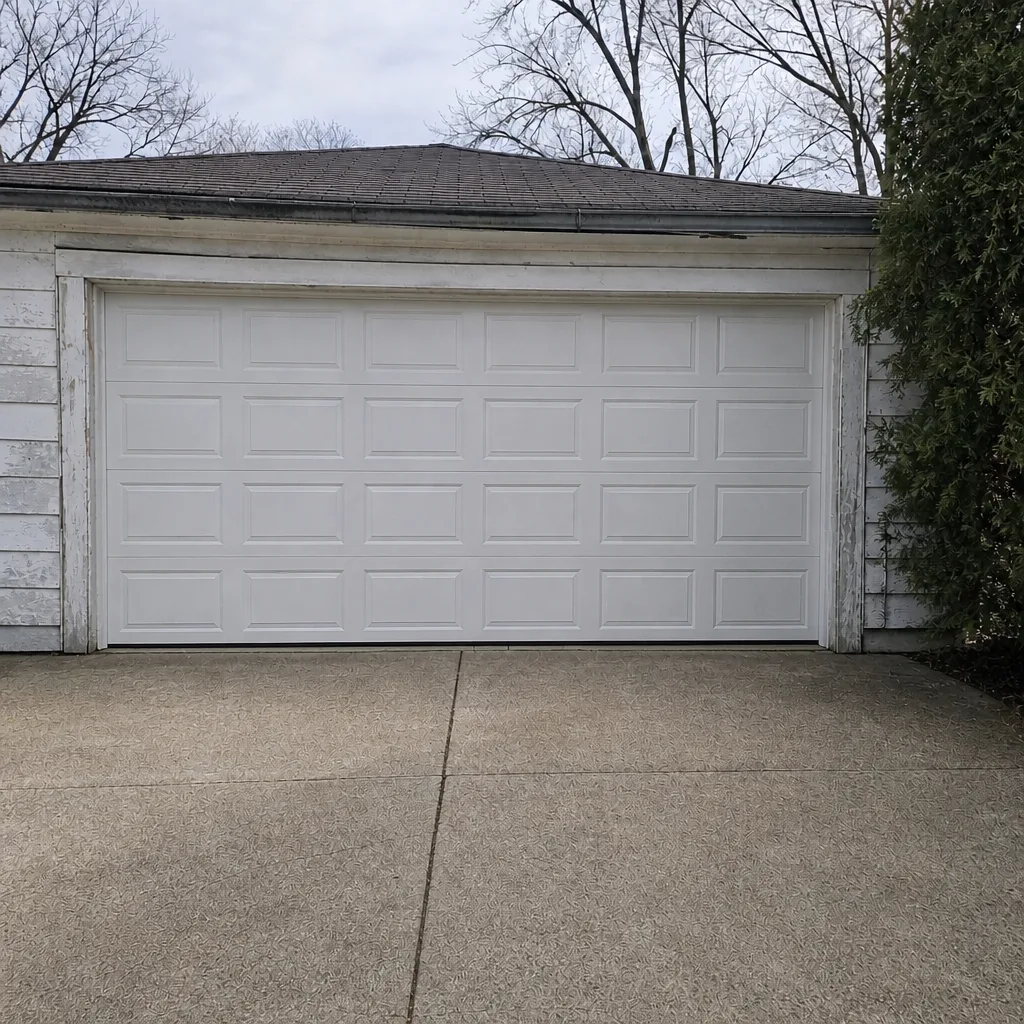 After
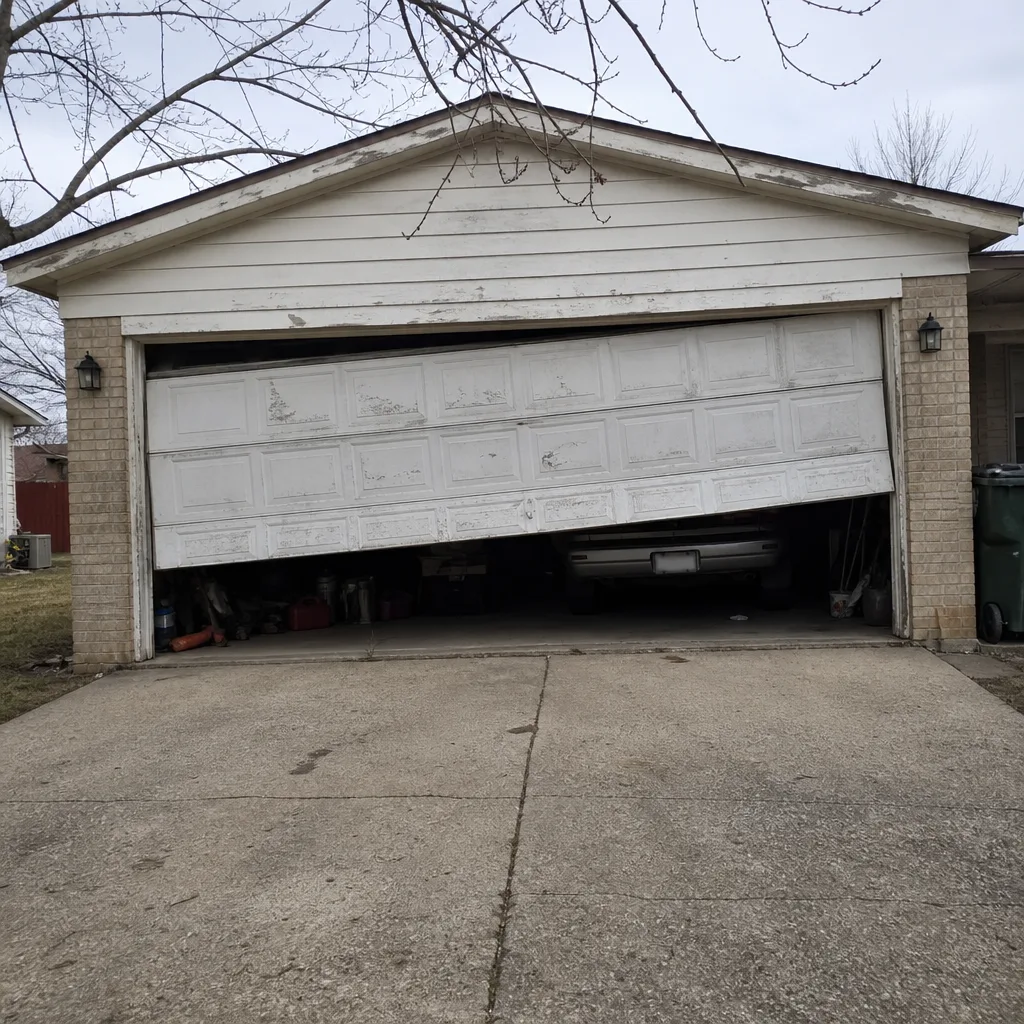 Before
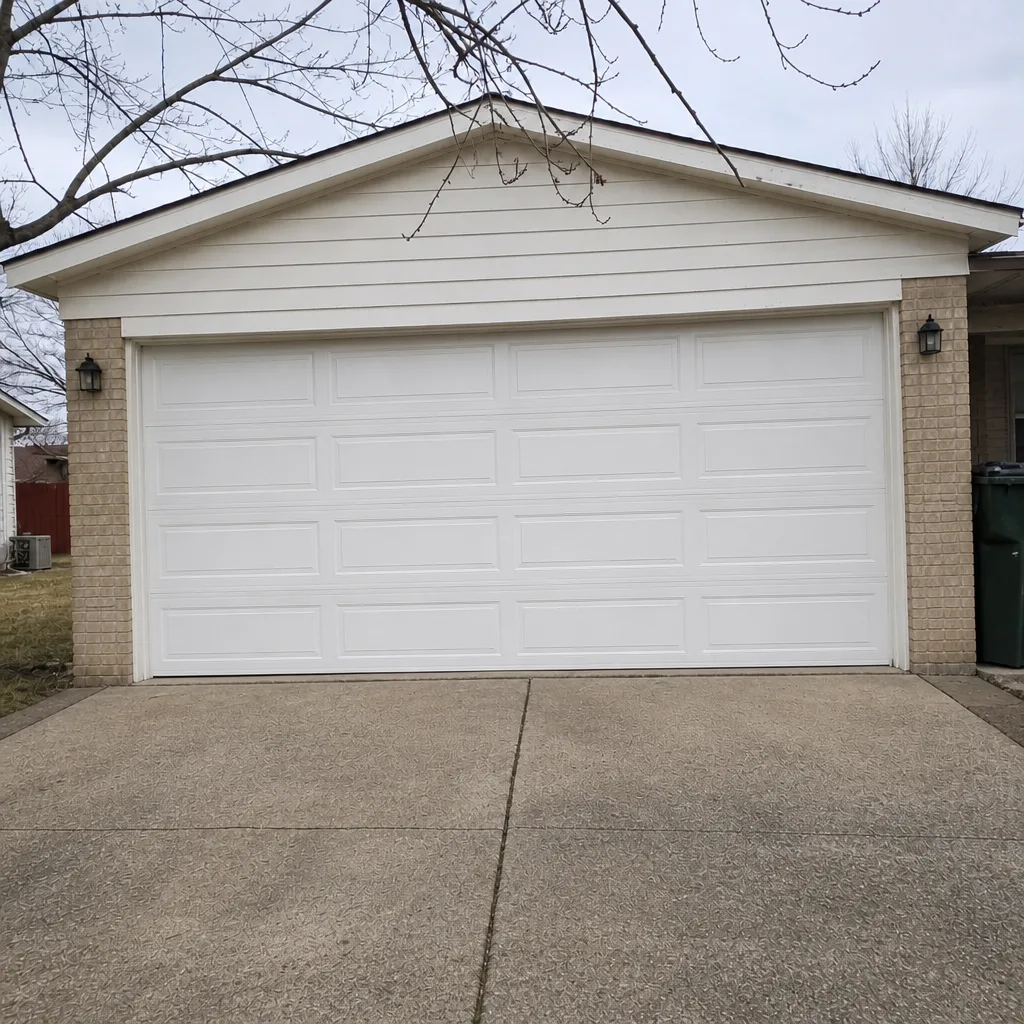 After
When to Call a Professional
Call a professional for any spring, cable, drum, or track repair – full stop. Call when the door won’t move at all, when it’s come off the tracks, when a panel is bent or the door sits crooked, or when the opener is making a grinding noise or has stopped responding to remotes. In Joliet and the surrounding neighborhoods, the right call is to a specialist who works on the brand you already have. Our technicians have up to 11 years of experience, we work on the major door and opener systems, and we quote the job before any work starts so the written estimate sets the final price. Joliet Garage Door Repair Pros offers free estimates in Joliet – call (844) 701-0946, and for urgent failures ask about same-day emergency service. When the door won’t move, we move fast.
Frequently Asked Questions
No. Torsion and extension springs store enormous energy and should only be replaced by a trained technician. The winding process requires specific tools and technique, and a slipping spring can cause serious injury. A dedicated garage door repair professional handles springs every day, which is exactly why the job is safe in their hands and not in yours. Call (844) 701-0946 for a free estimate.
Safe tasks are the low-energy ones: lubricating rollers and hinges, replacing bottom weatherstripping, cleaning and aligning the safety sensors, changing remote and keypad batteries, tightening visible bolts, and testing the auto-reverse. Any job involving springs, cables, drums, tracks, or opener internals belongs with a technician.
It can. Manufacturer warranties typically don’t cover damage caused by improper installation or unauthorized repair. If a failure traces back to a DIY fix or a wrong part, the manufacturer may deny the claim. Check the specific terms for your door or opener brand before you attempt anything beyond maintenance.
It usually costs the price of the professional repair plus the labor to undo the damage and any parts you added – and sometimes a panel replacement on top. The full amount depends on what was changed, so the only reliable figure is the written estimate after an inspection. Call (844) 701-0946 for an exact quote – estimates are free.
Yes, and it helps the technician to know what you did. Bring a short list of what you attempted, whether the door still moves, and any parts you replaced. A good technician can tell whether the original problem is still the cause or whether your fix is now part of it, and diagnose the whole system rather than just the part you touched.
It depends on the work. Electrical changes to the opener circuit and some structural changes can require a permit under local code, and general warranty and insurance practice is separate from code. Ask your city’s building department about the specific job before you start. The safe rule: electrical and structural work gets a professional and a permit check.
The Bottom Line
The garage door is two systems wearing one set of panels. The low-energy parts – rollers, seals, sensors, hardware – are yours to maintain, and doing that yourself saves money and extends the door’s life through Joliet’s freeze-thaw winters. The high-energy parts – springs, cables, drums, tracks, opener internals – belong to a technician, because the stored energy makes a mistake dangerous. Know the line, keep up with the safe tasks, and call a specialist for everything else. When you do, you’ll have a clear quote before the work starts, and a trained technician on the brand you already have. Our technicians have up to 11 years of experience, and we handle the panel, the springs, and the opener alike.
Contact
If this guide leaves you with one question still open – is my door safe to keep using? – get a straight answer before you touch it. Joliet Garage Door Repair Pros offers free estimates, a quote agreed before any work begins, and emergency service when a door fails. Call (844) 701-0946 for a free estimate.
Written by the team at Joliet Garage Door Repair Pros.