Last updated November 21, 2026
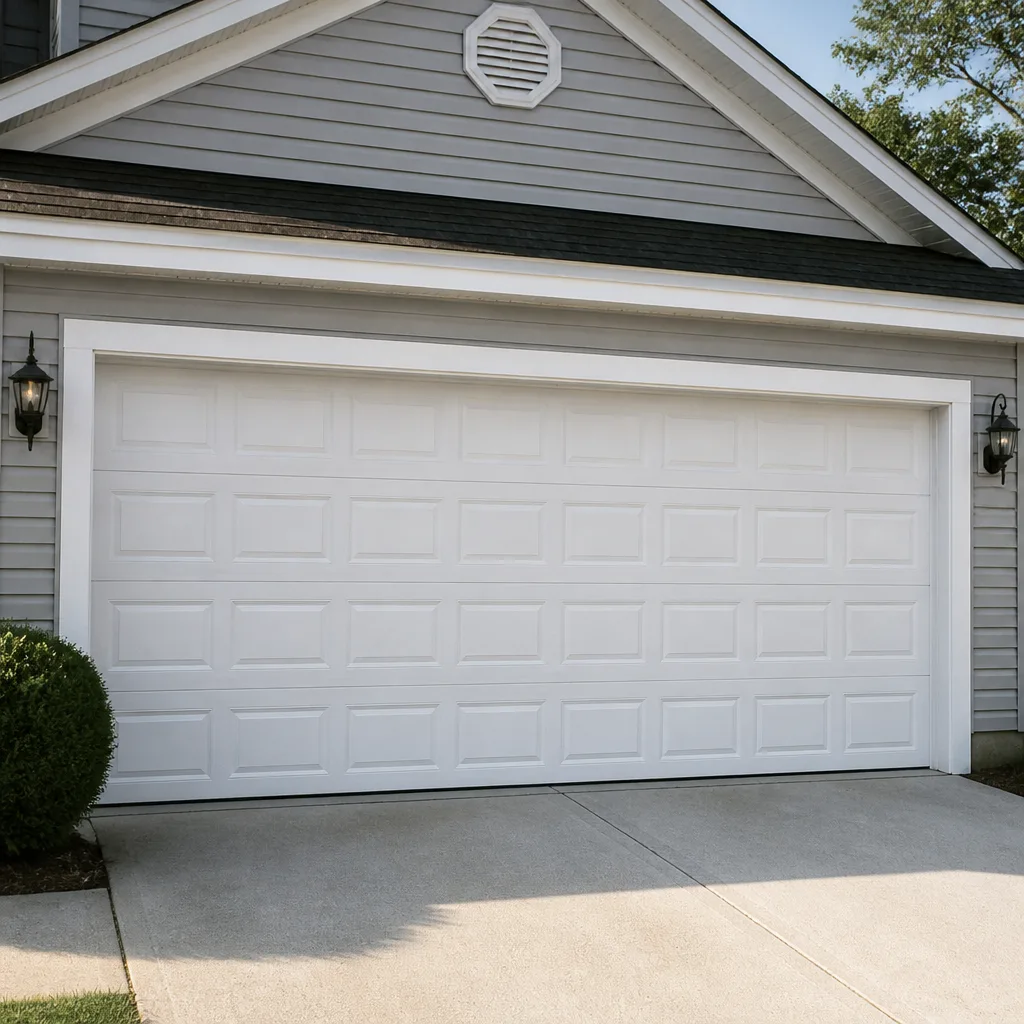 Raised-panel steel
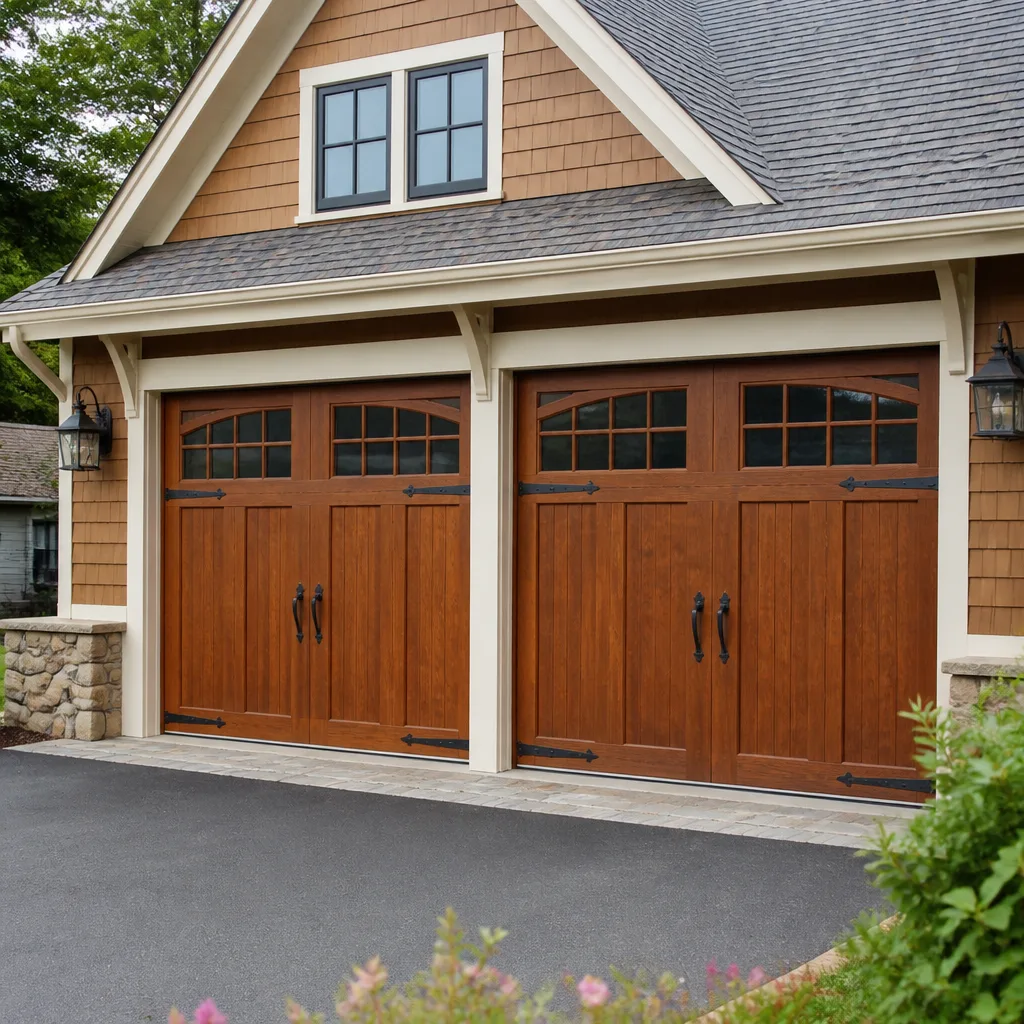 Carriage house
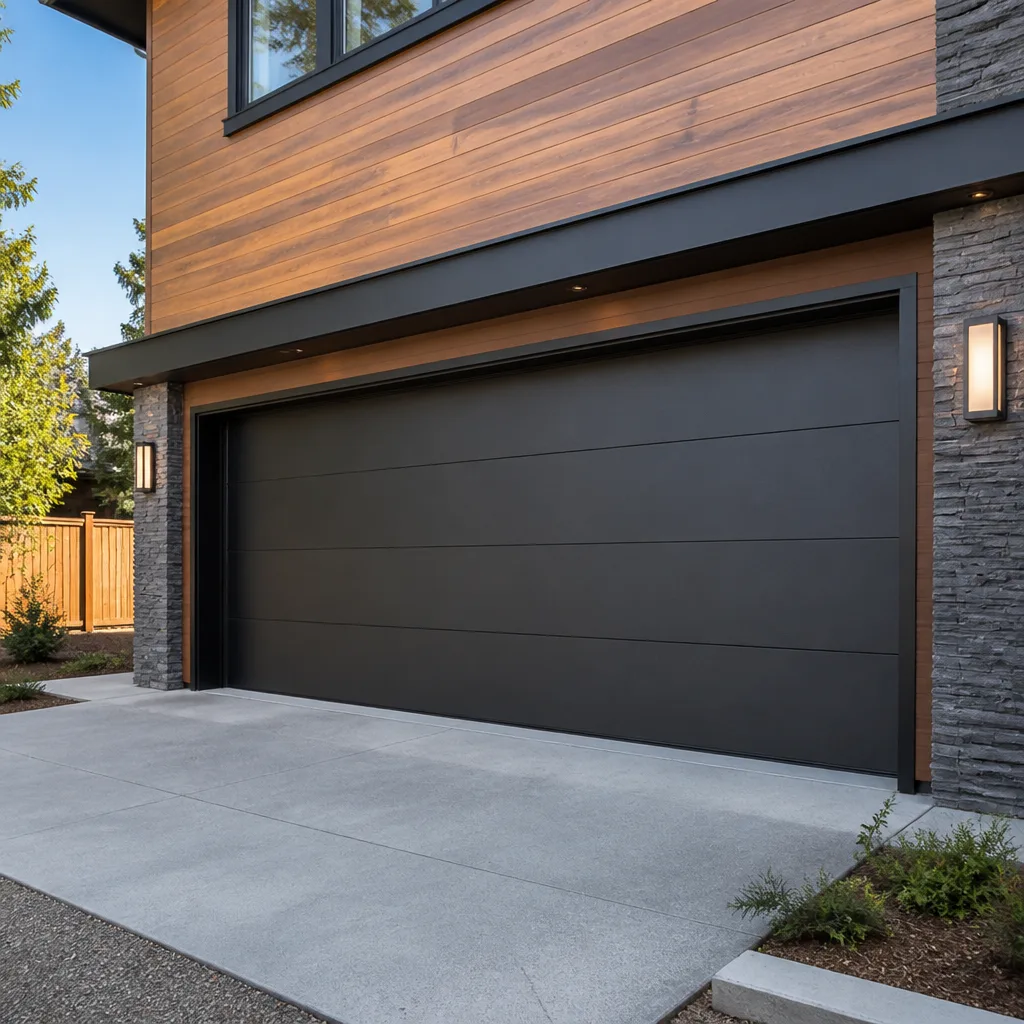 Modern flush
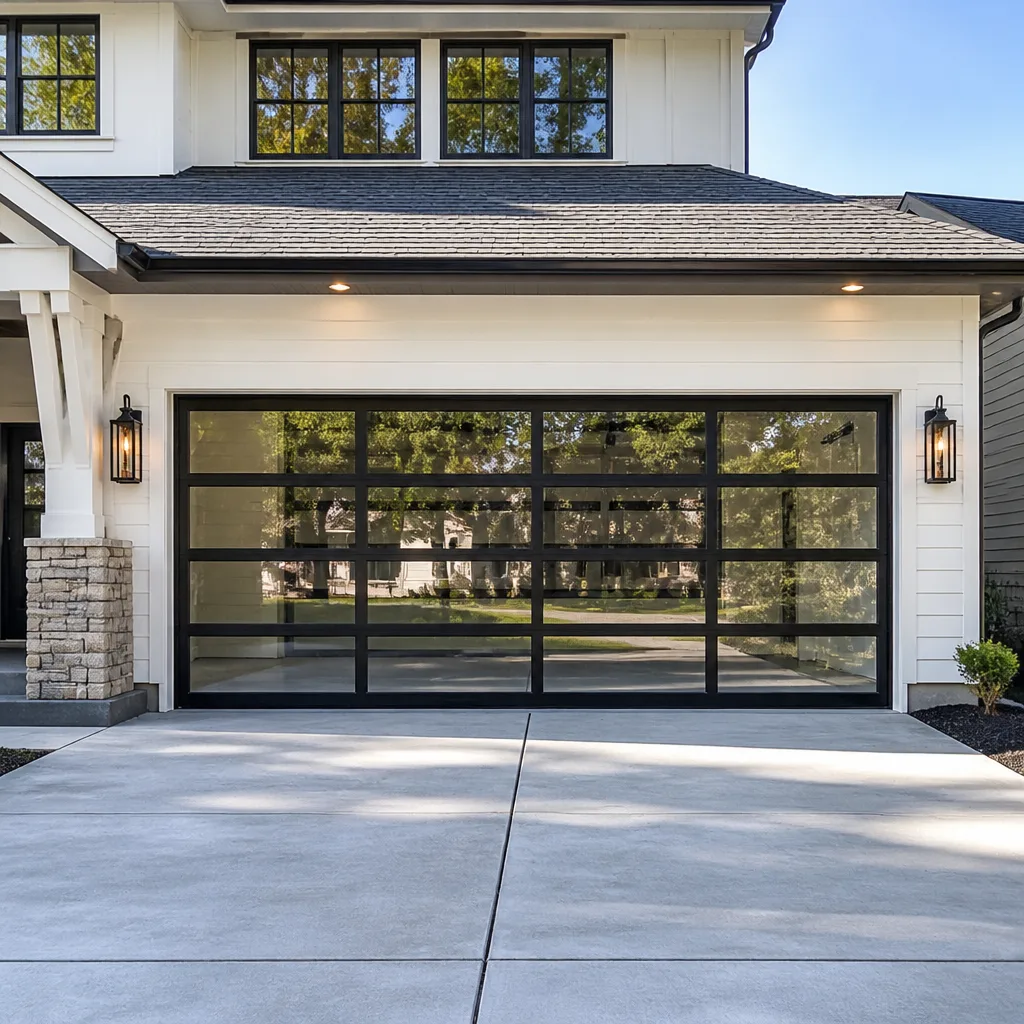 Full-view glass
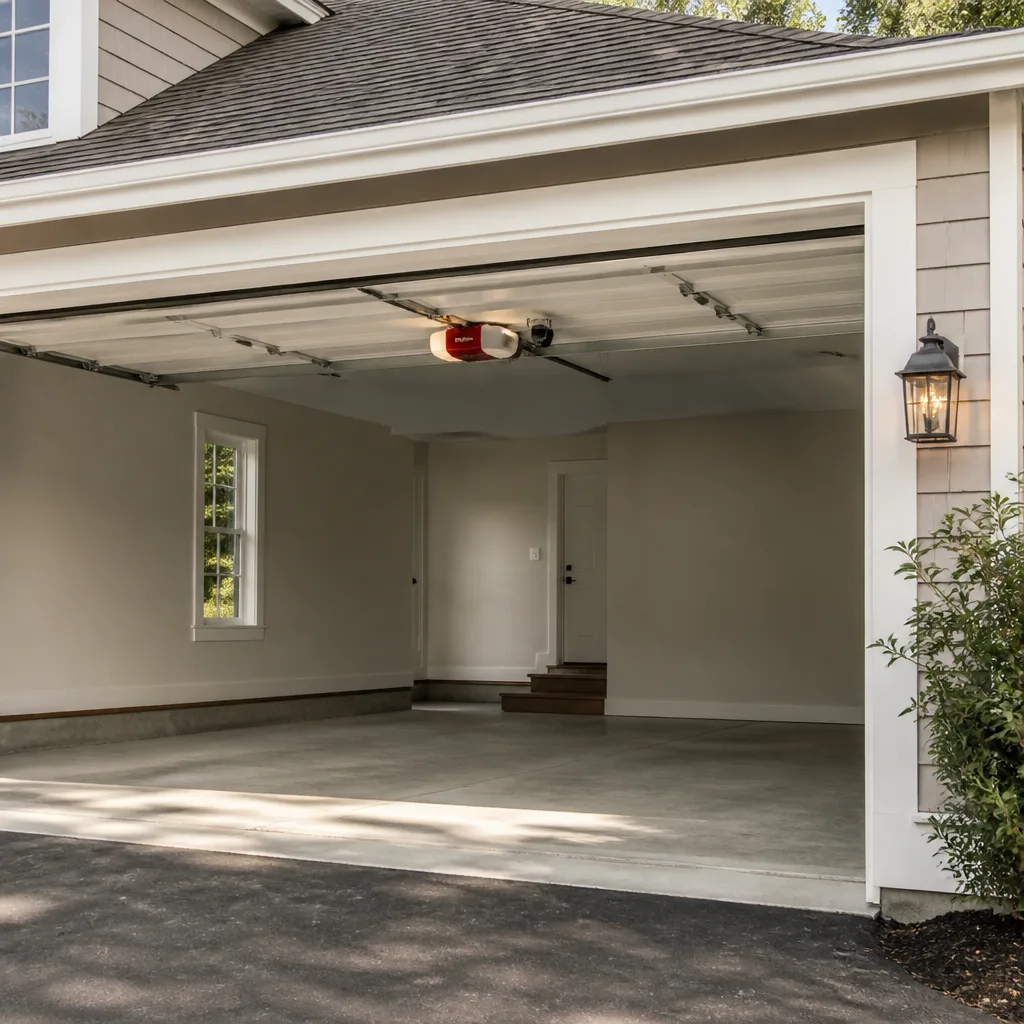 LiftMaster openers
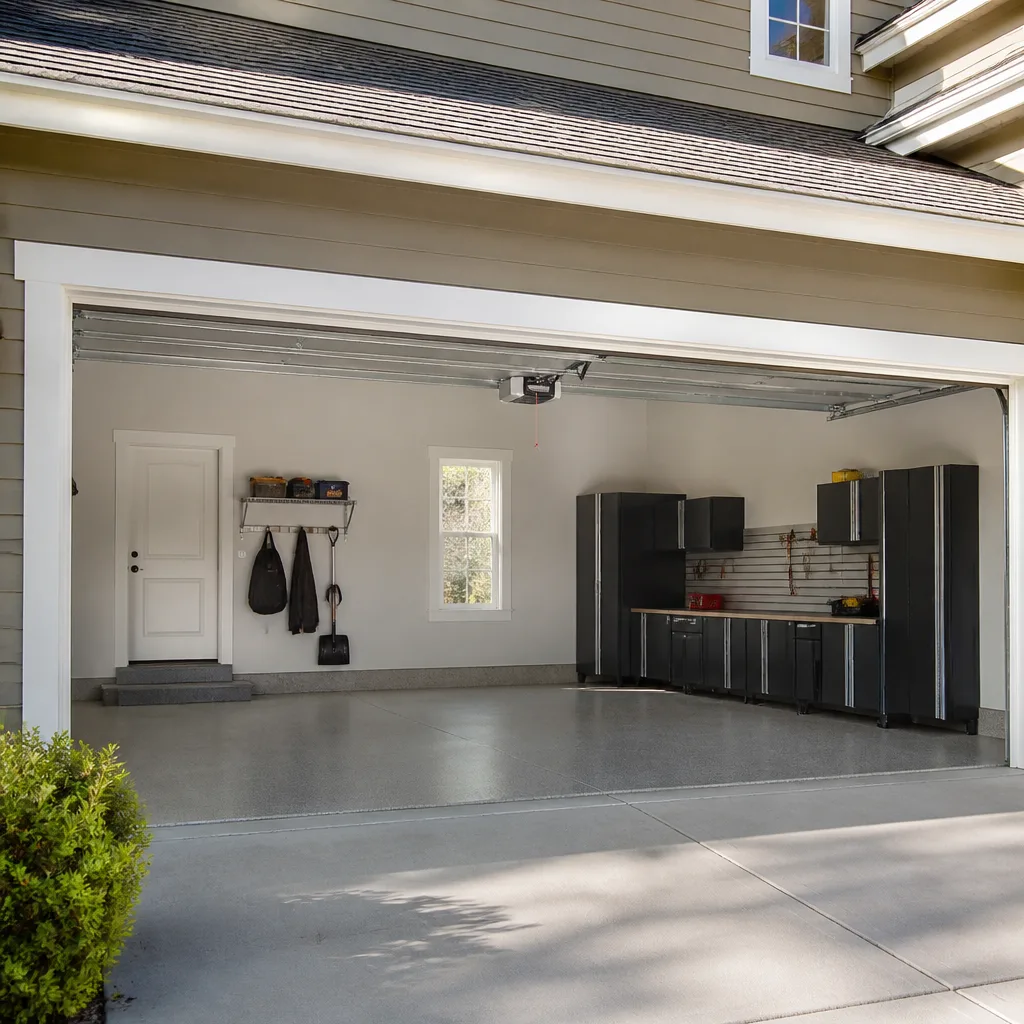 Chamberlain openers
Full 25-point door and opener safety check with every visit - springs, cables, rollers, tracks, and your LiftMaster or Chamberlain opener included
You get a price before we start. It does not change when the pro arrives.
Get your free estimateSeasonal Garage Door Care for Joliet: Year-Round Homeowner’s Guide
Here’s the thing most garage door advice gets wrong: it treats the year as four equal seasons. In Joliet, it doesn’t work that way. February and March are when we see the most garage door failures, but the damage that causes those failures usually starts back in October. That gap between cause and collapse is the whole story. A door that gets its weatherstripping checked in late October, its lubricant refreshed before the first hard freeze, and its balance re-tested after a humid summer is a door that doesn’t call for help in February. This guide maps Joliet’s actual damage calendar month by month, so you know which task matters when instead of running through a vague spring-and-fall checklist.
Quick Answer
Garage door maintenance in Joliet follows a specific calendar driven by the region’s freeze-thaw cycles, summer humidity, and pollen season rather than four equal seasons. Late October weatherstripping and bottom seal checks prevent the most winter failures, sub-zero cold requires a re-lubrication protocol before it hits, and spring track cleaning before humidity arrives is what stops corrosion from taking hold. The homeowners who avoid emergency calls are the ones who do the right task at the right time.
Styles & brands we work with
- Raised-panel steel
- Carriage house
- Modern flush
- Full-view glass
- LiftMaster openers
- Chamberlain openers
Table of Contents
- Joliet’s Garage Door Damage Calendar: Month by Month
- Why Late October Weatherstripping Is the Highest-ROI Task in Joliet
- What Sub-Zero Cold Does to Garage Door Lubricant (and How to Re-Lubricate)
- Spring Tasks Before Pollen and Humidity Season
- Summer Heat, Thermal Expansion, and Auto-Reverse Testing
- Opener Care Through the Seasons
- Five Winter Rules That Prevent Emergency Calls
- Common Mistakes to Avoid
- When to Call a Professional
Joliet’s Garage Door Damage Calendar: Month by Month
Garage door damage in the Joliet area doesn’t happen evenly across the year. It builds through one set of conditions and then shows up when a different set of conditions stress-tests the door. Use this month-by-month map to know where your attention belongs.
- October: The most important maintenance month. Weatherstripping, bottom seals, and door balance all need checking before cold sets in. This is when you insulate your garage door against what’s coming.
- November: First hard freezes. Lubricant begins to thicken. Tracks contract. Doors that were already marginal start dragging.
- December: Cold settles in. Springs experience their first sustained low-temperature stress. Hardened grease can cause the opener to strain.
- January: Deep cold. Springs are most brittle and most likely to snap. Metal panels contract and small misalignments grow.
- February: Failure peak. The accumulated stress of November through January produces the year’s highest rate of spring breaks and stuck doors.
- March: Freeze-thaw cycles. Moisture gets into joints, freezes overnight, then expands. Cables, hinges, and rollers that sat quiet all winter start complaining.
- April – May: Spring cleanup season. Pollen and grit collect in tracks. Doors need a full clean-and-lubricate before humidity arrives.
- June – August: Heat and humidity. Wood and some composite panels expand. Balance changes. Openers work harder. Auto-reverse sensitivity needs re-testing.
- September: Prep window. The last chance to catch problems before the October cycle starts again.
Notice that the two highest-value months, October and April, are the transitional ones. That’s not a coincidence. Garage doors fail when conditions change fast, and in Joliet the fastest changes happen on either side of winter and on either side of summer.
Why Late October Weatherstripping Is the Highest-ROI Task in Joliet
If you do only one seasonal task this year, make it the late-October weatherstripping and bottom seal check. It costs almost nothing in time, and it prevents more winter failures than any other single item on this list. When the bottom seal is intact, cold air stays outside, moisture stays out of the door’s joints, and the door doesn’t have to work against a draft that pushes against it every time the opener lifts it.
Here’s what happens when the seal fails: a brittle or cracked bottom seal lets cold air and moisture reach the door’s lower panels and the track near the floor. That moisture freezes overnight, expands, and by March you’re looking at rust, a door that drags on one side, and sometimes a bent bottom section. The seal is the cheapest guard against all of it.
Do this check in late October, before the first hard freeze:
- Close the door and look along the bottom edge from inside the garage. You should see no daylight anywhere along the line. Any gap is a seal problem.
- Run your hand along the bottom seal. It should feel flexible and springy, not stiff, cracked, or crumbly.
- Check the side and top weatherstripping for tears, gaps at the corners, and areas where it has pulled away from the frame.
- Look for water stains or rust along the bottom panel and the track near the floor. Both point to a seal that’s been letting moisture in.
- If anything fails, replace it before the cold arrives. This is a task most homeowners can handle, though if the door needs adjusting at the same time, that’s a different job.
The same logic applies to insulating the garage itself. A door that’s drafty at the bottom is a door that pulls heat out of the garage all winter, which in Joliet is money out the window. Checking the seal in October is the single highest-return task on this calendar.
What Sub-Zero Cold Does to Garage Door Lubricant (and How to Re-Lubricate)
Garage door lubricant is not one formula that behaves the same at every temperature. Standard oils and greases thicken as temperatures drop. In Joliet’s sub-zero stretches, a lubricant that felt fine in October can turn stiff enough to add real resistance to the door’s travel, which makes the opener work harder and puts more load on the springs. That’s why the re-lubrication protocol matters more here than in a milder climate.
Use a lubricant rated for low temperatures, and apply it before the cold sets in rather than after the door starts complaining. A silicone-based or lithium-based product labeled for cold-weather use is the right category. The specific protocol:
- In late October or early November, wipe down every moving part with a clean rag to remove grit and old grease.
- Apply low-temperature lubricant to the hinges, rollers, and the torsion spring coils if the door has torsion springs. A light coat on the springs themselves helps them move cleanly.
- Lubricate the opener’s rail or chain. Chain-drive openers, including many LiftMaster and Chamberlain units, benefit most from a proper chain lubricant.
- Work the door up and down a few times to distribute the lubricant evenly.
- In the middle of winter, if the door starts straining, re-lubricate just the rollers and hinges rather than adding more to everything. Too much lubricant attracts dirt and grit.
Do not lubricate the track itself. Tracks are designed to run dry; lubricant in a track collects grit and makes the door drag. If your door is straining in cold weather even with fresh lubricant, the problem is usually balance or a spring, not lubrication. That’s a job for a professional.
Spring Tasks Before Pollen and Humidity Season
April and May in Joliet bring two things that are hard on garage doors: pollen and the start of summer humidity. Both settle into the tracks. Pollen mixed with leftover winter grit creates a paste that accelerates wear on rollers and can, over a few seasons, contribute to corrosion on the track’s steel surface. The spring cleanup is about getting the door back to a clean baseline before the humid months lock that grit in place.
Do this before the first really humid week:
- Clean the tracks thoroughly. Wipe the inside of both tracks with a damp cloth, then dry them completely. Look for rust spots, dents, and any place the track has been bent.
- Inspect the door panels for corrosion. Clopay and Amarr steel doors have protective finishes, but scratches and chips let moisture in. Touch up any bare spots before humidity sets in.
- Check the rollers. Nylon rollers should turn freely and look smooth. Steel rollers that are pitted or flat-spotted need replacing.
- Test the balance. Disconnect the opener using the release handle and lift the door halfway. It should stay put. If it falls or rises on its own, the spring tension is off.
- Listen for new noises. A door that was quiet in winter but squeals in spring usually needs lubricant or has a worn roller.
Wayne Dalton doors with wood or composite sections need a little more care in spring because of humidity. Check for swelling, sticking, and finish breakdown before the wet weather arrives.
Summer Heat, Thermal Expansion, and Auto-Reverse Testing
Summer heat does something to a garage door that most homeowners never think about: it changes the door’s weight balance. Metal panels expand slightly in high heat. Wood sections can swell. A door that was perfectly balanced in April can be noticeably heavier at one end by July. The opener then has to work harder to lift a door that’s no longer balanced, and the auto-reverse system, which senses resistance, can trip when it shouldn’t.
Re-test the auto-reverse function once the summer heat settles in. This is a safety feature, and the test is simple:
- Place a small board or a roll of paper towels flat on the ground in the door’s path.
- Close the door using the opener. When it touches the object, it should reverse immediately.
- If it doesn’t reverse, or it takes more than light contact, the sensitivity is set wrong.
- Test the photo-eye safety sensors by running something across the invisible beam at the floor. The door should stop and reverse.
- If the door reverses when it shouldn’t, or fails to reverse when it should, get the opener checked. This is a safety issue, not a tuning preference.
The most-sensitive time is the middle of summer, when the door is at its hottest and heaviest. If your door’s auto-reverse is finicky, that’s often a balance problem showing up through the safety system. That’s worth checking out with a professional before it turns into a bigger repair.
Opener Care Through the Seasons
The opener is the most-used electrical component in most garages, and it takes a beating across a Joliet year. Cold weather thickens lubricants and makes the door heavier to lift; summer heat lightens the door but stresses the motor. The right care changes with the season.
- Fall: Clean the opener’s chain or belt and lubricate it. If you have a Genie or Craftsman belt-drive unit, check the belt for fraying. Tighten the chain on a chain-drive unit if it’s sagging.
- Winter: Keep an eye on the opener’s force adjustment. If the door is straining in cold weather, the opener may be working against the cold, which stresses both the opener and the door. Don’t increase the opener’s force setting to compensate; that masks a problem.
- Spring: Check the opener’s light bulb and the sensor alignment. Sensors get knocked out of alignment during the winter.
- Summer: Listen for unusual noises from the motor. Grinding from the opener’s internal gears is a sign of wear and needs attention.
We work on the brand you already have, whether it’s a LiftMaster, Chamberlain, Genie, or Craftsman opener. Most opener issues are mechanical, and getting them fixed before they fail completely is much cheaper than replacing a burnt-out unit.
Five Winter Rules That Prevent Emergency Calls
Winter is when Joliet garage doors break. These five rules cut down the odds dramatically:
- Test the door balance before December. A door that’s slightly off balance in November becomes a door that snaps a spring in January. Spring tension is a professional adjustment.
- Don’t over-lubricate. More lubricant is not better in cold weather. Too much attracts grit, and grit in cold weather makes parts squeal and wear faster.
- Keep snow off the bottom seal. Snow packed against the door doesn’t just melt; it freezes into place and can bend the bottom section of the door or pull the seal loose.
- Watch the door’s behavior in the first cold snap. A door that hesitates in November is a door that will fail in February. Deal with it while it’s a small problem.
- Never force a stuck door. If the door won’t lift, the opener will strain and the springs will be stressed. Call a professional instead of forcing it.
The reason the fall check matters so much is that garage doors show warning signs long before they fail. The November cold snap is when you get to find out you’re on track for a February emergency.
Common Mistakes to Avoid
- Treating spring and fall as interchangeable check-up times. In Joliet, October and April do very different things. October is about sealing against cold; April is about cleaning out the grit and humidity damage. Doing one and skipping the other leaves half the year exposed.
- Skipping the weatherstripping because the door “looks fine.” Weatherstripping and bottom seals fail gradually and quietly. A door with a failed seal can look perfectly normal and still be letting in the moisture that ruins the bottom panel over a winter.
- Using the wrong lubricant. A general-purpose oil that thickens at sub-zero temperatures makes the door harder to operate, which strains the springs and the opener. Use a lubricant rated for low temperatures, and don’t put it on the tracks.
- Assuming the door is balanced because the opener lifts it. The opener can push through a poorly balanced door for a long time, but it’s doing damage to itself and the springs the whole time. Test balance with the opener disconnected.
- Adjusting the opener’s force setting instead of fixing the door. When a cold door gets hard to lift, cranking up the opener’s force setting is a temporary fix that hides a real problem. The door or the opener, or both, will eventually fail.
- Ignoring warning noises. A door that squeals in winter or groans in summer is telling you something. Left alone, those noises become failures. Deal with the noise when it starts.
- Waiting until it breaks to call. The cheapest repair is the one that happens before the failure. A free estimate for a small fix in November costs far less than an emergency call in February.
When to Call a Professional
Some seasonal tasks are homeowner-safe: weatherstripping checks, visual inspections, cleaning tracks, and lubricating moving parts. Other situations need a professional. Get on the phone if your door won’t close fully or reverses on its own, if you hear a loud bang from the springs, if the door hangs crooked or comes off its track, if the opener hums without moving the door, or if the door is unbalanced and you’ve already tested it with the opener disconnected. Springs and cables are the most dangerous parts of a garage door system and don’t have a safe homeowner fix. When in doubt, call. We’ve seen how quickly a small problem becomes an emergency in Joliet winters, and most repairs get handled in a single visit. Joliet Garage Door Repair Pros offers free estimates in Joliet, call (844) 701-0946.
See the difference
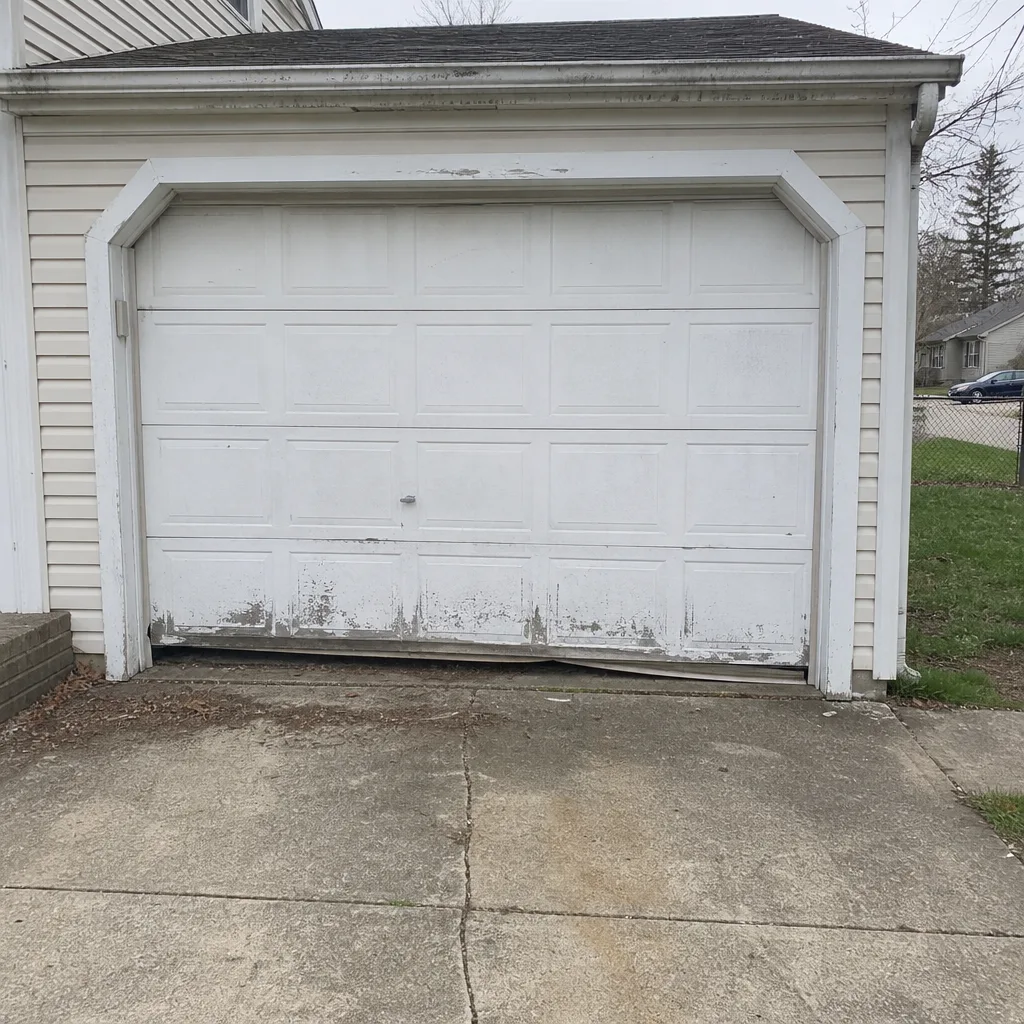 Before
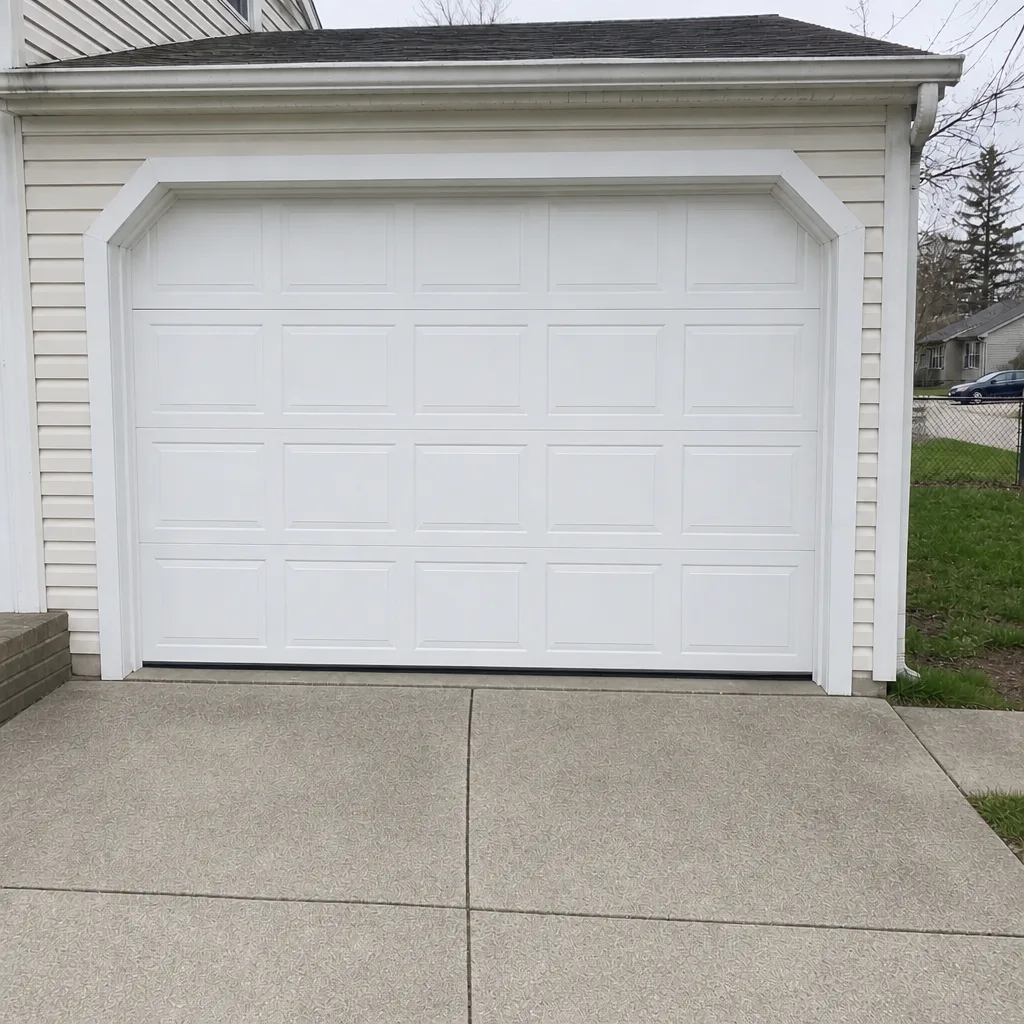 After
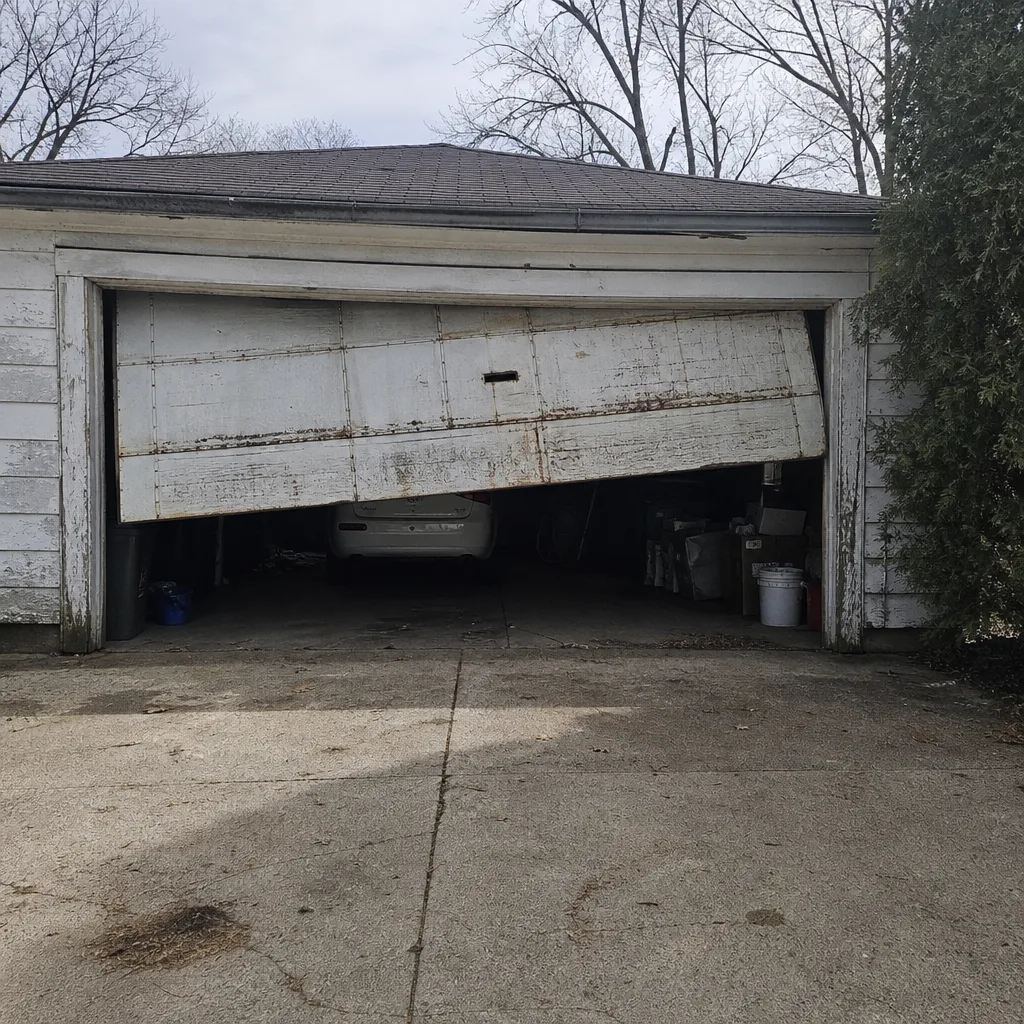 Before
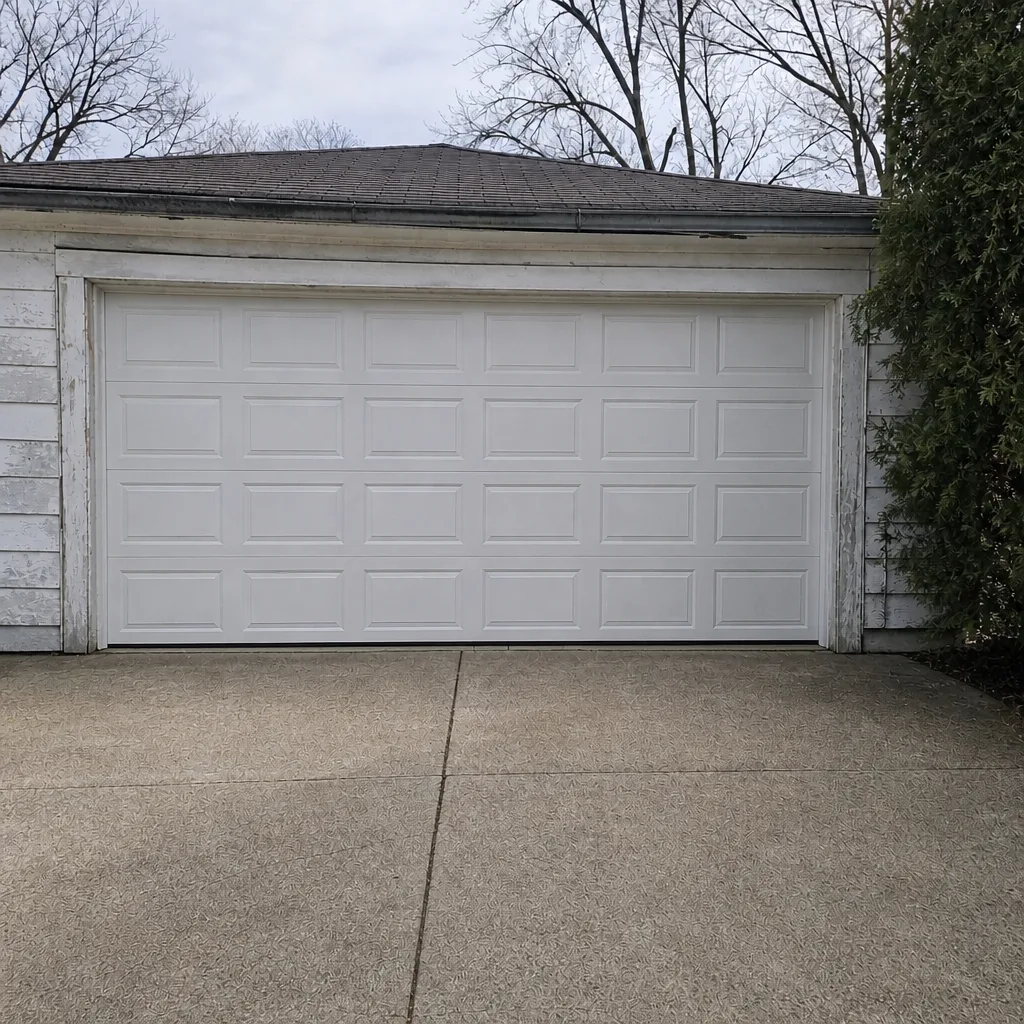 After
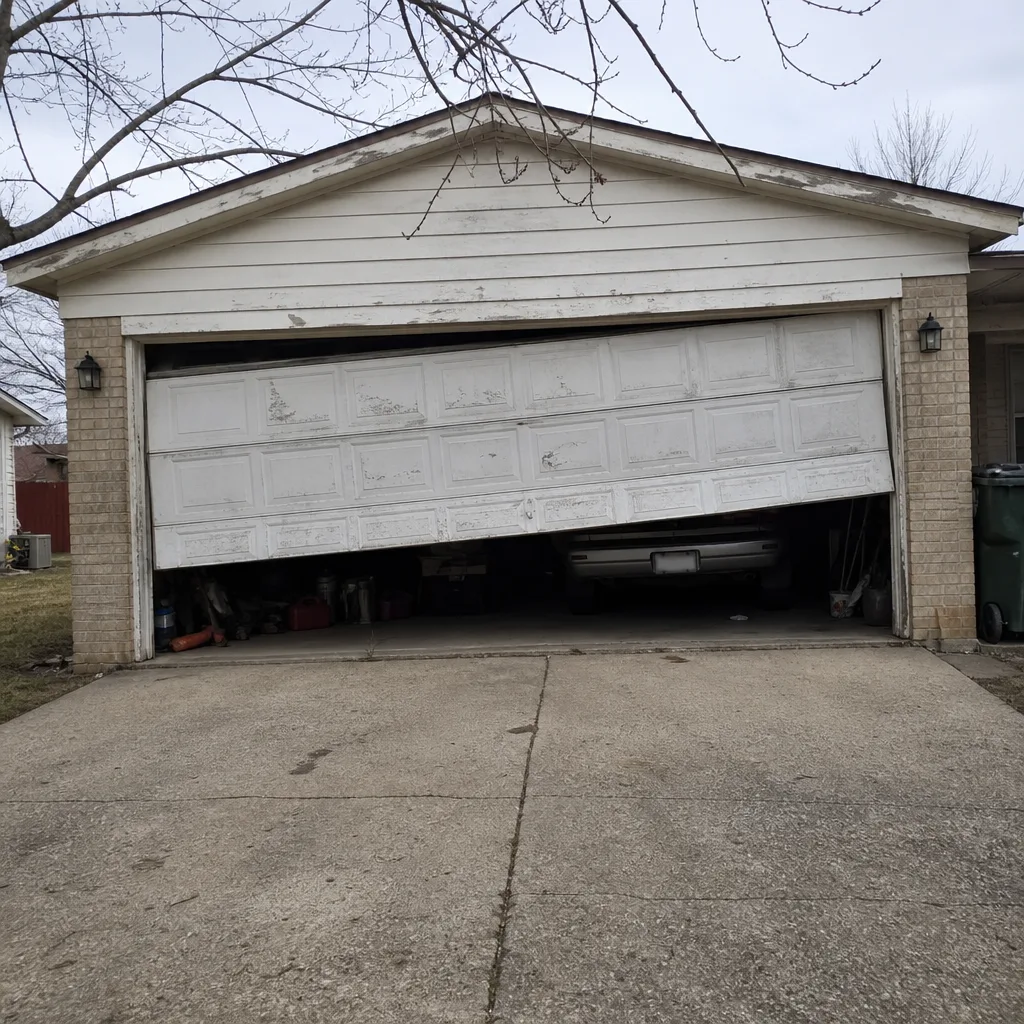 Before
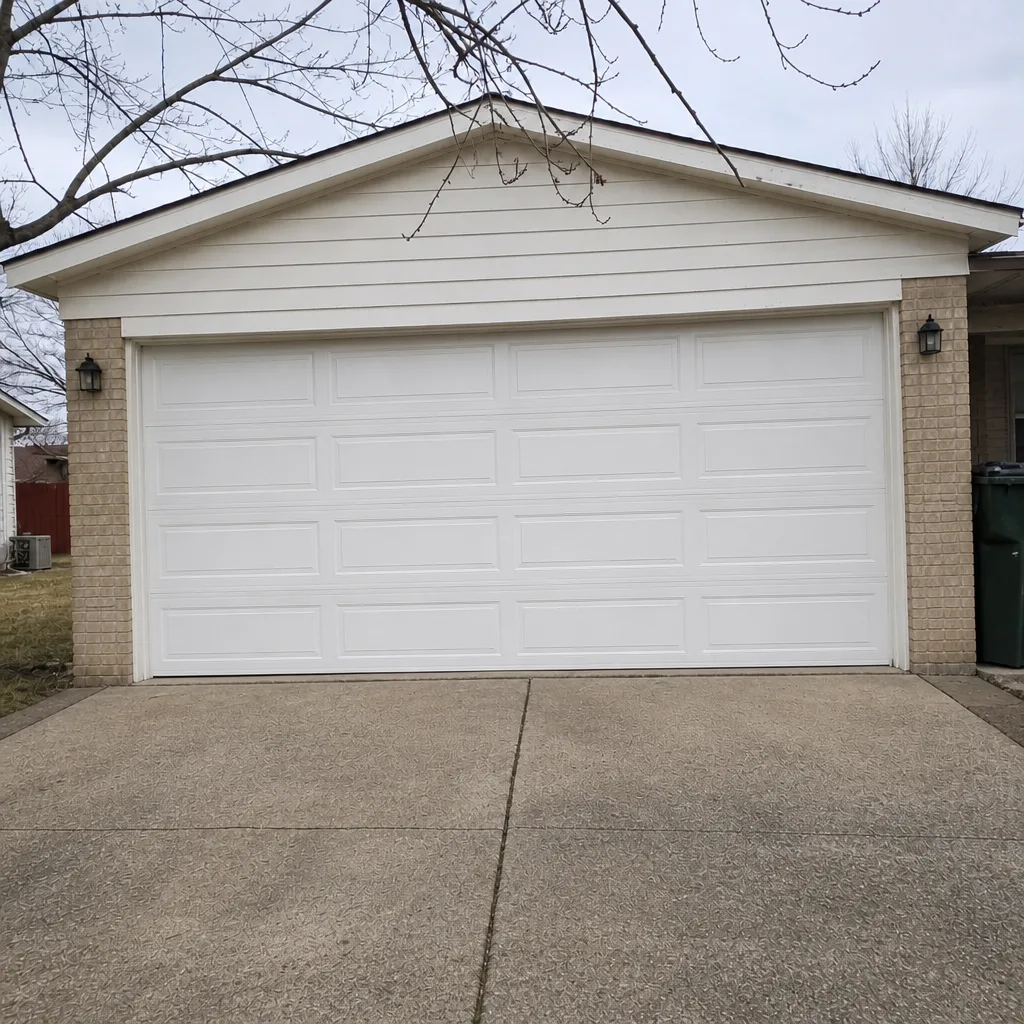 After
Frequently Asked Questions
Checking and replacing weatherstripping and the bottom seal in late October is the highest-ROI task. It’s cheap, it prevents cold air and moisture from getting into the door’s joints, and it heads off the winter damage that leads to spring failures. Do it before the first hard freeze.
List the moving parts (rollers, hinges, springs) twice a year, in late fall and again in spring. Use a low-temperature lubricant before winter and a standard product in warmer months. Never lubricate the tracks themselves; they run dry.
February and March are when the accumulated stress of a whole winter shows up. Springs become brittle from repeated cold cycles, freeze-thaw moisture gets into joints, and the cumulative load on the door reaches its peak. The failures start showing in February because the damage started in October.
Yes, that’s a safe homeowner test. Disconnect the opener using the release handle, lift the door to about halfway, and let go. A balanced door stays in place. If it drops or rises, the springs need adjusting, and that’s a job for a professional. Never adjust springs yourself.
Don’t force it. A stuck door in cold weather is usually a spring or lubricant problem, and forcing the opener through it causes more damage. Disconnect the opener and call a professional. Many repairs get completed in a single visit.
Yes. High summer humidity can cause wood and composite sections to swell, and even metal panels expand slightly in heat. That changes the door’s balance and can make the auto-reverse system trip at the wrong time. Re-test the auto-reverse once the heat settles in, and get the door re-balanced if it’s noticeably off.
The Bottom Line
Joliet’s garage door damage follows a calendar, and the important months aren’t the ones most homeowners think. October sets the stage for the whole winter; February and March are when the failures that started in fall show up. Protect the seal in October, switch to low-temperature lubricant before the first freeze, clean the tracks in spring before humidity sets in, and re-test the balance and auto-reverse in summer. Most of these tasks take an afternoon and prevent the repair that eats a weekend. For the rest, we’re here. Joliet Garage Door Repair Pros handles everything from a snapped spring to a new installation, and our garage door repair team is ready when a seasonal check turns into a real problem. If the opener is the weak link, garage door opener repair covers LiftMaster, Chamberlain, Genie, and Craftsman. If your door is beyond seasonal care, garage door installation covers Clopay, Amarr, Wayne Dalton, and Raynor. Call (844) 701-0946 for a free estimate, and get the seasonal work handled before the next failure window opens.
Written by the team at Joliet Garage Door Repair Pros.